How to Make a Vertical Pulley System
Creating a vertical pulley system can be a fascinating project, whether it’s for simple home DIY tasks, elevating your home gym, or even for an engaging educational experiment. A vertical pulley system uses the principles of mechanical advantage to lift heavy objects with less effort. This guide will take you through the steps to create your vertical pulley system efficiently, with safety and ease of use at the forefront of our discussion.
Understanding the Concept of a Pulley System
Before constructing your pulley system, you should grasp the concept of a pulley and how it works. The pulley is one of the six simple machines that we use in various ways in our daily lives. Its primary purpose is to make lifting heavy objects easier. It operates on the principle of mechanical advantage, which means you can lift heavier weights with less force.
Materials Needed
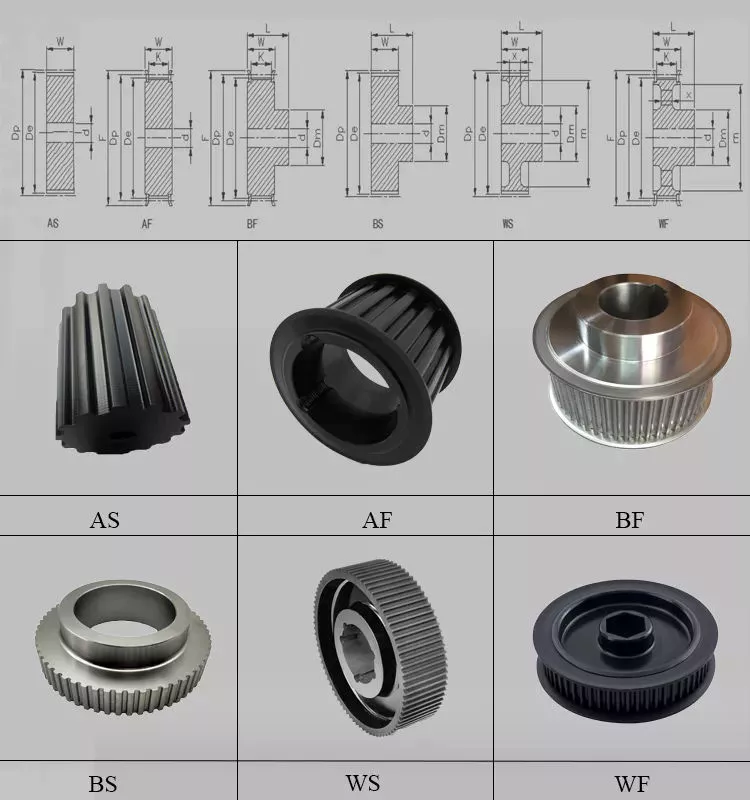
To build a vertical pulley system, you will require a few basic items. These include rope, a pulley wheel, a mounting bracket, and a weight to lift. You may also need some additional tools such as a drill, screws, and a screwdriver.
Step-by-step Guide to Making a Vertical Pulley System
Once you have your materials ready, follow the steps below to create your pulley system.
Step 1: Set Up the Mounting Bracket
The first step in building your vertical pulley system is setting up the mounting bracket. The bracket should be securely fastened to a solid and stable structure, such as a wall or ceiling. Use your drill to make holes and then fasten the bracket using screws.
Step 2: Attach the Pulley Wheel
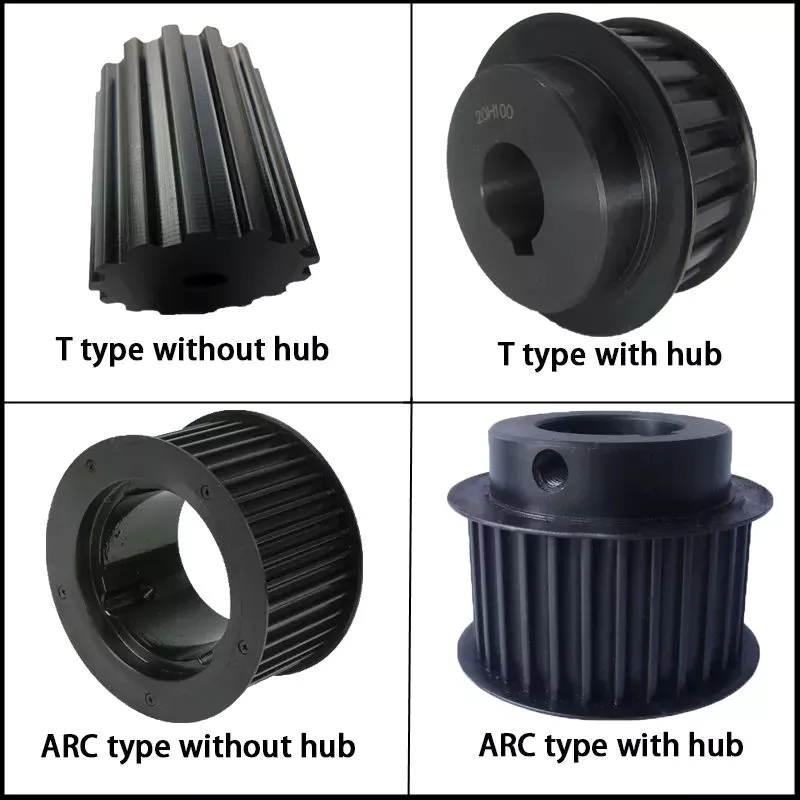
Once the mounting bracket is in place, the next step is to attach the pulley wheel. Ensure the pulley wheel is securely fastened and that it can rotate freely.
Step 3: Thread the Rope
The next step is to thread the rope through the pulley wheel. Make sure the rope is strong enough to hold the weight you intend to lift.
Step 4: Attach the Weight
Finally, attach the weight to one end of the rope. Ensure the weight is securely fastened and test the pulley system by lifting the weight.
Understanding the Types of Pulley Systems
There are primarily three types of pulley systems: fixed, movable, and compound. A fixed pulley changes the direction of the applied force, a movable pulley decreases the amount of force needed to lift a weight, and a compound pulley combines the first two types to both decrease the necessary force and change its direction.
Tips for Safe and Effective Use of Your Pulley System
Once your pulley system is set up, it is crucial to use it safely and effectively. Always make sure the weight is securely fastened before lifting, never exceed the weight limit of your pulley system, and always check the system for any signs of wear and tear.
Conclusion
Building a vertical pulley system can be a rewarding and educational project. With a basic understanding of the principles involved, the right materials, and a careful, step-by-step approach, you can create a pulley system that makes lifting heavy objects much easier and safer.