How to Lubricate a Screw Jack for Optimal Performance?
A screw jack, also known as a jackscrew, is a vital piece of equipment used widely in various industries. Its main purpose is to lift heavy loads with minimum effort. As with any mechanical device, regular maintenance, including proper lubrication, is critical for its optimal performance and longevity. This guide will walk you through the process of how to lubricate a screw jack effectively to ensure its smooth operation and extended lifespan.
Understand the Importance of Lubrication
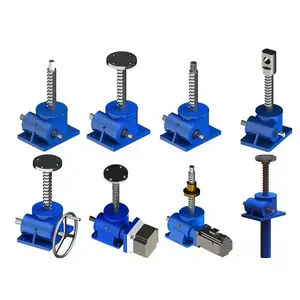
Lubrication plays a pivotal role in the functionality and durability of a screw jack. Not only does it reduce friction between the moving parts, but it also protects against rust and corrosion. Furthermore, it helps in dissipating heat generated during operations, thereby preventing overheating and potential damage.
Identify the Correct Lubricant
Not all lubricants are created equal, and using the wrong one can do more harm than good. It’s essential to choose a lubricant specifically designed for screw jacks, which typically have high extreme pressure (EP) and anti-wear properties. Furthermore, the lubricant should be compatible with the screw jack’s operating temperature and environmental conditions.
Steps to Lubricate a Screw Jack
The process of lubricating a screw jack isn’t overly complicated, but it does require careful attention to ensure it’s done correctly. Here’s a step-by-step guide:
- Preparation: Before you start, ensure the screw jack is clean and free from dust and debris. This will prevent foreign particles from mixing with the lubricant, which could potentially cause wear and tear.
- Application: Apply the lubricant evenly across the screw jack, focusing on the areas where friction is highest. These typically include the screw, the nut, and the gear surfaces.
- Operation: After applying the lubricant, operate the screw jack a few times to help distribute the lubricant evenly. This also allows you to check for any irregularities in movement or noise.
- Cleanup: Wipe off any excess lubricant from the surfaces of the screw jack to prevent dust and grime build-up.
Maintenance Schedule
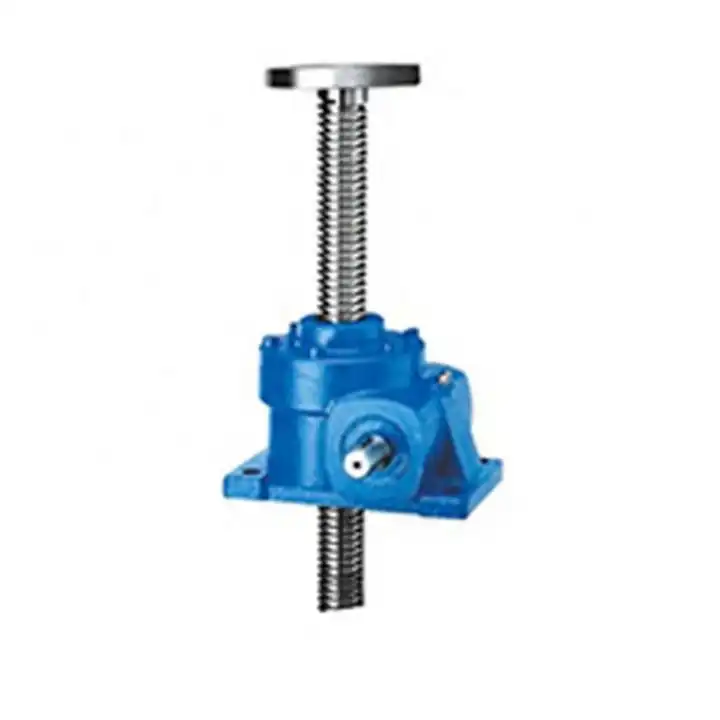
Regular lubrication is a key aspect of screw jack maintenance. However, the frequency of lubrication depends on several factors, such as the intensity of use, operating conditions, and the specific recommendations of the screw jack manufacturer. As a general rule, a screw jack should be lubricated every six months or after every 500 hours of operation, whichever comes first.
Warning Signs of Inadequate Lubrication
While a regular maintenance schedule is crucial, it’s equally important to be aware of signs that your screw jack may need immediate lubrication. These can include unusual noises during operation, increased resistance or difficulty in operation, and visible signs of wear and tear on the moving parts.
Conclusion
Proper lubrication is crucial to maintaining the performance and longevity of your screw jack. By understanding the importance of lubrication, identifying the correct lubricant, following a step-by-step lubrication process, adhering to a regular maintenance schedule, and being mindful of warning signs of inadequate lubrication, you can ensure that your screw jack continues to operate at its peak performance for years to come.
Remember, neglecting regular lubrication can lead to premature wear and tear, decreased performance, and even failure of your screw jack. Therefore, investing time and effort in proper lubrication is not just beneficial but absolutely essential for the optimal performance of your screw jack.