How to lubricate a gear shaft effectively?
Introduction
Proper lubrication is essential for the efficient functioning of gear shafts. In this blog post, we will explore the various techniques and best practices for effectively lubricating gear shafts to ensure their longevity and optimal performance.
1. Understanding Gear Shaft Lubrication
Before diving into the lubrication process, it is crucial to understand the role of lubrication in gear shafts. Lubricants act as a protective layer, reducing friction and heat generation, which can lead to premature wear and failure of the gears.
2. Choosing the Right Lubricant
When selecting a lubricant for gear shafts, several factors need to be considered, including viscosity, additives, and compatibility with the gear material. It is recommended to consult the gear manufacturer’s specifications or seek professional advice to choose the most suitable lubricant.
3. Preparing the Gear Shaft
Prior to lubrication, the gear shaft needs to be thoroughly cleaned to remove any dirt, debris, or remnants of the previous lubricant. This can be achieved by using a suitable cleaning agent and ensuring all surfaces are dry before proceeding with lubrication.
4. Applying the Lubricant
Proper application of the lubricant is crucial to ensure even distribution and adequate coverage. The following steps outline an effective lubrication process:
4.1. Gear Shaft Surface Coating
Using a clean cloth or brush, apply a thin and even layer of lubricant to the gear shaft surface. Ensure all areas are covered, including the teeth and crevices.
4.2. Gear Tooth Lubrication
For optimal gear performance, it is essential to focus on lubricating the gear teeth. Apply a small amount of lubricant to each gear tooth, ensuring it reaches the contact point with the mating gears.
4.3. Reapplication and Maintenance
Regular reapplication of lubricant is necessary to compensate for any loss due to evaporation or degradation. Additionally, periodic inspections and maintenance should be conducted to monitor lubricant condition and gear shaft performance.
5. Benefits of Effective Gear Shaft Lubrication
Proper lubrication of gear shafts offers numerous benefits, including:
5.1. Reduced Friction and Wear
Effective lubrication minimizes friction and wear between the gear surfaces, extending their lifespan and ensuring smooth operation.
5.2. Heat Dissipation
Appropriate lubrication helps dissipate heat generated during gear operation, preventing overheating and potential damage.
5.3. Noise Reduction
Good lubrication reduces gear noise by minimizing metal-to-metal contact and cushioning the impact between gear teeth.
5.4. Increased Efficiency
Optimal lubrication promotes efficient power transmission, resulting in improved overall gear system efficiency.
Conclusion
Proper lubrication is vital for the effective functioning and longevity of gear shafts. By understanding the importance of lubrication, choosing the right lubricant, and following a systematic lubrication process, gear shafts can operate smoothly, ensuring optimal performance and reducing the risk of premature failure.
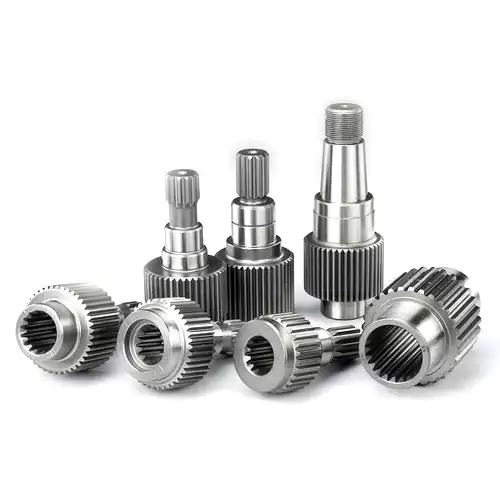
Our company specializes in the production and sale of various types of gears and gear shafts. With years of expertise in the field, we take pride in offering top-quality products and exceptional services to our customers. Here are five advantages of choosing our company:
Advantages of Our Company:
- High-Quality Gear Products: Our gears are manufactured using advanced technology and superior materials, ensuring excellent performance and durability.
- Extensive Range of Options: We offer a wide selection of gear types and sizes to meet the diverse needs of different industries.
- Customization Capabilities: Our team of skilled engineers can design and manufacture gear shafts according to specific requirements, providing tailored solutions for our customers.
- Reliable and Efficient Delivery: We understand the importance of timely delivery, and our logistics system ensures prompt shipment of orders to customers worldwide.
- Competitive Pricing: Despite the high quality of our products and services, we strive to offer competitive prices, providing excellent value for our customers.
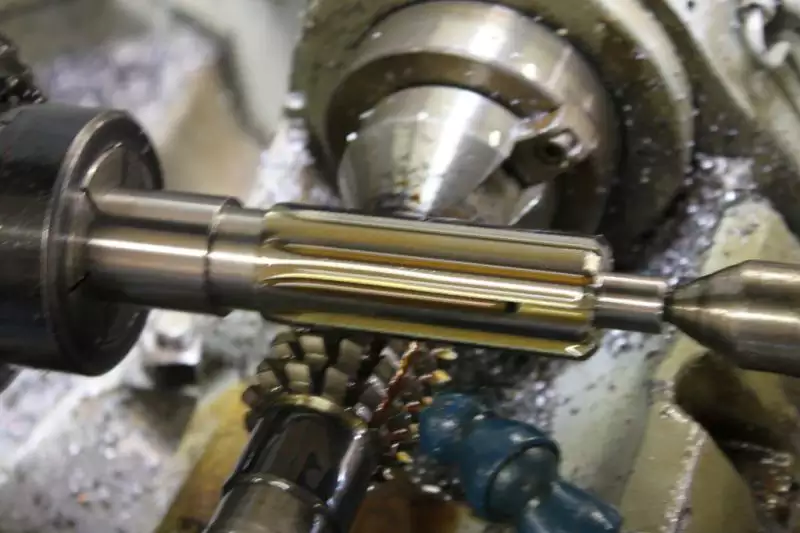
The gear shaft plays a crucial role in mechanical transmission systems. It is responsible for transmitting torque and rotational motion between gears, ensuring smooth and efficient operation. Without a properly lubricated gear shaft, excessive friction and wear can occur, leading to reduced performance and potential damage to the system.
Material Selection for Gear Shafts:
Choosing the right material for gear shafts is vital to ensure their strength, durability, and resistance to wear. Factors to consider include:
- Strength and Hardness: The material should have sufficient strength to withstand the forces and loads placed on the gear shaft.
- Wear Resistance: The material should have good resistance to wear, minimizing the need for frequent replacements.
- Toughness: The material should be able to absorb shock and withstand sudden loads without fracturing.
- Machinability: The material should be easily machinable to achieve precise dimensions and smooth surfaces.
Design Considerations for Gear Shafts:
When designing gear shafts, several factors should be taken into account:
- Proper Sizing: The gear shaft should be dimensioned appropriately to handle the required torque and rotational speed.
- Accurate Tooth Profiles: The gear shaft’s teeth should be designed correctly to ensure proper meshing with the mating gears.
- Adequate Lubrication: The gear shaft should be designed to facilitate effective lubrication, ensuring reduced friction and wear.
- Heat Treatment: The gear shaft may undergo heat treatment processes such as quenching, tempering, and carburizing to enhance its strength and durability.
Our gear shafts are manufactured using a combination of cutting-edge processes, including:
- Machining: Our gear shafts undergo precision turning, milling, and grinding to achieve accurate dimensions and smooth surfaces.
- Heat Treatment: We employ quenching, tempering, and carburizing techniques to enhance the hardness and toughness of our gear shafts.
- Specialized Processes: In addition to standard machining and heat treatment, we offer specialized processes such as gear hobbing and shaving to achieve specific gear profiles.
Our gear shafts find applications in various industries, including automotive, industrial machinery, and power transmission systems. Through careful analysis and preventative measures, we ensure that our gear shafts meet the highest quality standards and perform reliably in these demanding environments.
Partner with us today and experience the excellence of our gear shafts. Contact us now to discuss your requirements and how we can meet your gear transmission needs.
Author: Miya