How to inspect gear shafts for hidden defects like microfractures?
In the field of mechanical engineering, inspecting gear shafts for hidden defects like microfractures is of utmost importance. These defects can compromise the functionality and reliability of the gears, leading to potential failures and costly damages. In this article, we will explore the various methods and techniques used to inspect gear shafts for such hidden defects.
1. Visual Inspection
Visual inspection is the first step in detecting potential defects in gear shafts. Carefully examining the surface of the shafts can reveal visible signs of damage, such as cracks, scratches, or irregularities. However, it’s important to note that microfractures may not be easily visible to the naked eye, necessitating further inspection methods.
2. Magnetic Particle Inspection
Magnetic particle inspection, also known as MPI, is a non-destructive testing technique commonly employed in the examination of gear shafts. This method involves the application of magnetic particles to the surface of the shafts, which are then inspected under ultraviolet light. If there are any microfractures present, the particles will accumulate at the fracture lines, making them visible under the UV light.
3. Dye Penetrant Inspection
Dye penetrant inspection, or DPI, is another effective method for inspecting gear shafts. This technique involves the application of a colored dye to the surface of the shafts, which penetrates any existing cracks or defects. After a certain period, the excess dye is removed, and a developer is applied. Any dye that remains on the surface indicates the presence of a defect that requires further investigation.
4. Eddy Current Testing
Eddy current testing is a non-destructive testing method that can be used to detect surface cracks and defects in gear shafts. This technique involves passing an alternating current through a coil, creating an electromagnetic field. When the coil is placed near the shaft surface, any defects, such as microfractures, will cause changes in the eddy currents, which can be detected and analyzed for potential issues.
5. Ultrasonic Testing
Ultrasonic testing is a widely used technique for inspecting the internal structure of gear shafts. This method involves the use of high-frequency sound waves that are directed into the shaft. The sound waves are then reflected back to a receiver, where any abnormalities, such as hidden microfractures, can be detected and analyzed. Ultrasonic testing provides valuable insights into the integrity of the shafts, allowing for preemptive actions to prevent failures.
6. X-ray Radiography
X-ray radiography is a powerful method for inspecting gear shafts, particularly in cases where internal defects are suspected. This technique involves exposing the shafts to X-rays, which pass through the material and create an image on a film or digital detector. By analyzing the X-ray image, any hidden defects, including microfractures, can be identified and assessed for severity.
Conclusion
Inspecting gear shafts for hidden defects like microfractures is crucial to ensure the reliability and performance of mechanical systems. Through visual inspection, magnetic particle inspection, dye penetrant inspection, eddy current testing, ultrasonic testing, and X-ray radiography, engineers and technicians can accurately detect and evaluate potential issues. By identifying and addressing these defects early on, catastrophic failures can be prevented, saving both time and resources in the long run.
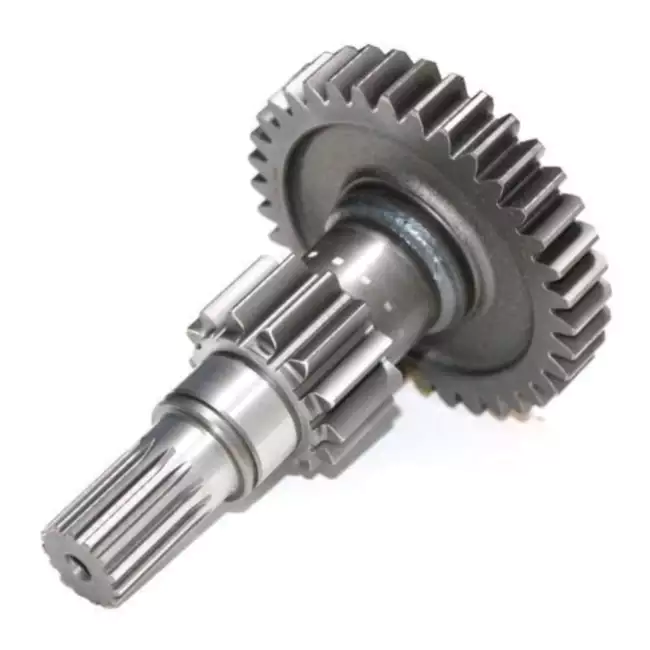
Our company specializes in the production and sales of various types of gears and gear shafts. With our extensive expertise and advanced technology, we have become a leading provider in the industry. Here are five advantages of choosing our company:
- High-quality materials: We only use top-grade materials for our gear shafts, ensuring durability and reliability.
- Precision engineering: Our gear shafts are meticulously designed and manufactured to meet strict standards, guaranteeing optimal performance.
- Advanced inspection techniques: We employ state-of-the-art inspection methods to detect any hidden defects, such as microfractures, in gear shafts.
- Efficient production process: Our streamlined production process allows us to deliver gear shafts promptly without compromising on quality.
- Excellent customer service: We prioritize customer satisfaction and provide comprehensive support throughout the entire purchasing process.
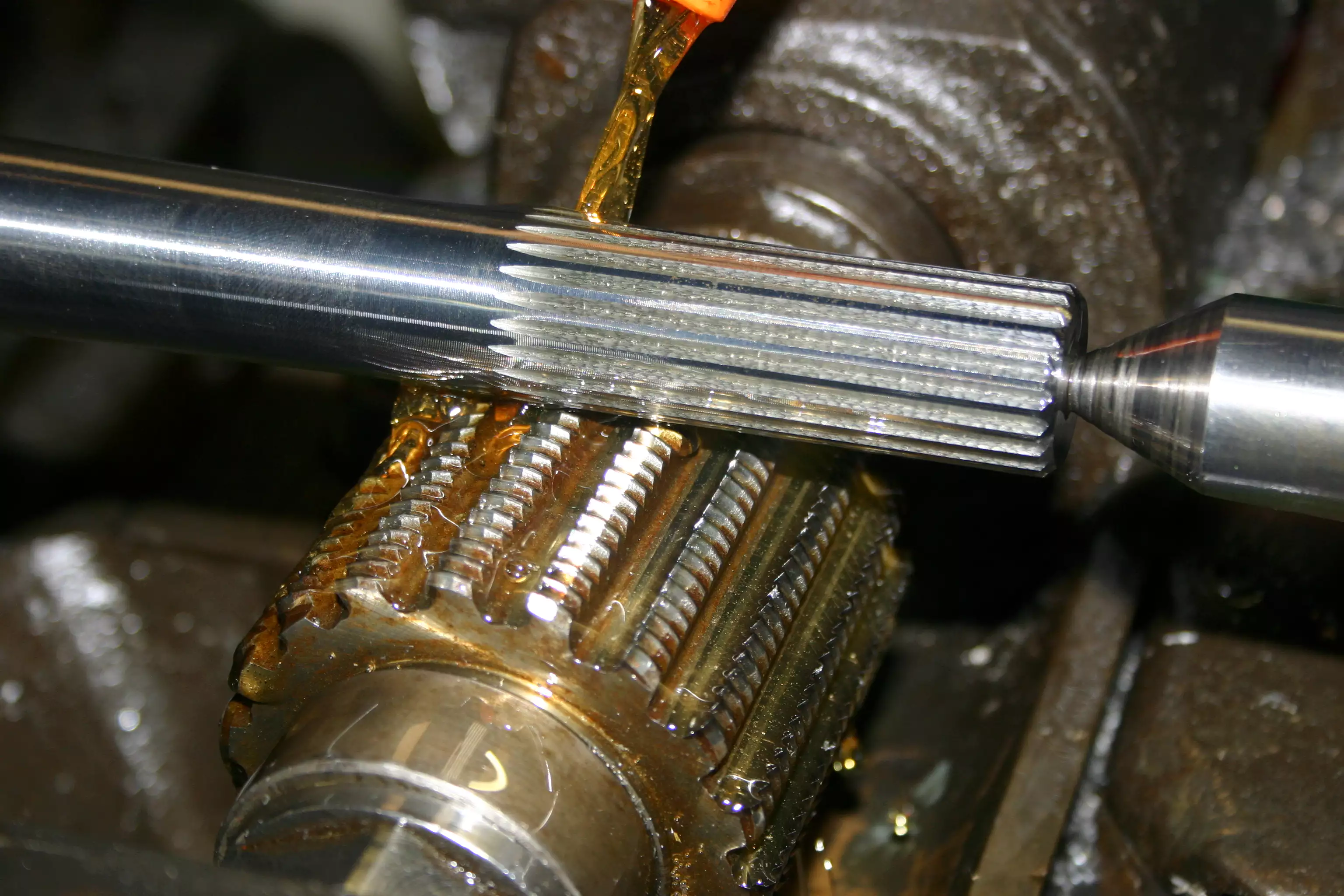
The Importance of Gear Shafts
Gear shafts play a crucial role in mechanical transmission systems. They are responsible for transmitting power and torque between gears, ensuring smooth and efficient operation. Without properly functioning gear shafts, the performance of the entire system would be compromised.
Materials and Selection Criteria for Gear Shafts
When it comes to gear shafts, selecting the right materials is vital. Factors to consider include:
- Strength and durability
- Resistance to wear and fatigue
- Corrosion resistance
- Heat resistance
Additionally, the design of gear shafts should consider factors such as load capacity, backlash, and alignment to ensure optimal performance and longevity.
Our Gear Shaft Manufacturing Process
At our company, we employ a comprehensive manufacturing process to produce high-quality gear shafts. Our process includes:
- Machining operations: turning, milling, and grinding
- Heat treatment: quenching, tempering, and carburizing
- Specialized processes: gear rolling and shaving
Applications and Fault Analysis of Gear Shafts
Gear shafts find extensive applications in various industries, including automotive, aerospace, and industrial machinery. However, like any mechanical component, gear shafts may experience faults over time. Proper maintenance and regular inspections are essential to prevent failures that can lead to costly downtime and repairs.
Partnering with us means gaining access to top-notch gear shafts that are meticulously designed, manufactured, and inspected to meet the highest quality standards. Contact us today to discuss your gear shaft requirements and experience the benefits of working with a trusted industry leader.
Author: Miya