How to inspect a spline shaft for defects?
Introduction
In the world of mechanical engineering, spline shafts play a crucial role in transmitting torque between two rotating components. To ensure optimum performance and reliability, it is essential to inspect spline shafts for defects before they are put into operation. This article will guide you through the process of inspecting a spline shaft for defects, covering various inspection techniques and key points to consider.
1. Visual Inspection
Visual inspection is the first step in assessing the condition of a spline shaft. Examine the surface of the shaft for any signs of wear, corrosion, or pitting. Pay close attention to the spline teeth and check for any cracks or chips that could affect the spline’s functionality. Use a magnifying glass if necessary to identify any minor defects that may not be visible to the naked eye.
2. Dimensional Measurements
Precise dimensional measurements are crucial for evaluating the integrity of a spline shaft. Use specialized measuring tools, such as micrometers and calipers, to measure the spline’s major and minor diameters, tooth thickness, and tooth spacing. Compare the measured values against the manufacturer’s specifications to identify any deviations that could indicate defects or improper machining.
3. Surface Roughness Analysis
Surface roughness can significantly impact the performance of a spline shaft. Utilize a profilometer to measure the surface roughness parameters, such as Ra, Rz, and Rt. These measurements will help determine the quality of the shaft’s surface finish and identify any irregularities that may affect the spline’s engagement and durability.
4. Magnetic Particle Inspection (MPI)
Magnetic Particle Inspection (MPI) is a non-destructive testing method commonly used for detecting surface and near-surface defects in ferromagnetic materials. Apply a magnetic field to the spline shaft and then introduce magnetic particles onto the surface. Any defects, such as cracks or discontinuities, will cause the particles to gather at the defect’s location, making them visible under proper lighting conditions.
5. Ultrasonic Testing (UT)
Ultrasonic Testing (UT) is another non-destructive technique that utilizes high-frequency sound waves to detect internal defects in a spline shaft. A transducer is placed against the shaft surface, and ultrasonic waves are sent through the material. The reflected waves are analyzed to identify any internal flaws, such as voids or inclusions, that could compromise the shaft’s structural integrity.
6. Dye Penetrant Inspection (DPI)
Dye Penetrant Inspection (DPI) is a widely used method for detecting surface-breaking defects in non-porous materials, including spline shafts. The process involves applying a dye penetrant fluid to the shaft’s surface, allowing it to seep into any surface defects. After a specified dwell time, excess penetrant is removed, and a developer is applied to enhance the visibility of defects. Any defects will become visible as brightly colored indications.
Conclusion
Inspecting a spline shaft for defects is a critical step in ensuring its reliability and performance. By following the techniques outlined in this article, including visual inspection, dimensional measurements, surface roughness analysis, magnetic particle inspection, ultrasonic testing, and dye penetrant inspection, you can identify any potential defects and take appropriate corrective actions. Remember, a thorough inspection is essential for maintaining the integrity of spline shafts and preventing unexpected failures.
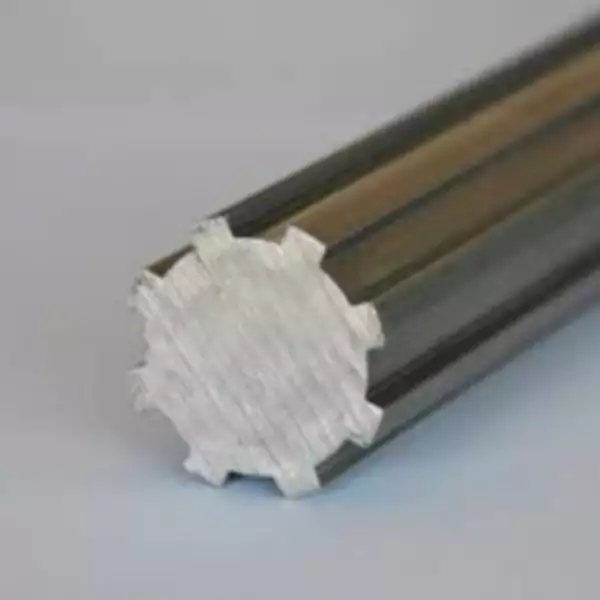
Our company specializes in the production and sales of various types of gears and spline shafts. With years of experience in the industry, we have established ourselves as a trusted provider. Here are five advantages of choosing our company:
Quality Products
At our company, we prioritize quality in every aspect of our production process. From selecting the finest materials to employing skilled technicians, we ensure that our gears and spline shafts meet the highest standards.
Advanced Manufacturing Technology
We utilize cutting-edge manufacturing technology to produce our products. This allows us to achieve precise dimensions and superior performance, ensuring that our spline shafts are reliable and efficient.
Customization Options
We understand that different applications require specific solutions. That’s why we offer customization options for our spline shafts. Whether it’s the number of teeth, the size, or the material, we can tailor our products to meet your unique requirements.
Competitive Pricing
We strive to provide our customers with the best value for their money. Despite offering high-quality products, we maintain competitive pricing to ensure affordability without compromising on quality.
Excellent Customer Service
Customer satisfaction is our top priority. Our dedicated team is always ready to assist you with any inquiries, provide technical support, and ensure a smooth purchasing experience.

Spline Shaft Working Principle and Function
A spline shaft is a mechanical component used to transmit torque in machinery. It consists of a series of ridges (splines) on the shaft that fit into corresponding grooves on another component, such as a gear or a coupling. This design allows for efficient power transmission, precise alignment, and the ability to transmit torque at various angles.
Spline Shaft Design and Selection Guidelines
When it comes to designing and selecting a spline shaft, several factors need to be considered. These include the torque requirements, the speed of rotation, the application environment, and the desired service life. By carefully evaluating these factors, our experts can assist you in choosing the most suitable spline shaft for your specific application.
Spline Shaft Manufacturing and Processing Techniques
The manufacturing and processing of spline shafts involve a range of techniques to ensure their precision and durability. These techniques may include cutting, grinding, broaching, heat treatment, and surface finishing. Our skilled technicians utilize these methods to produce spline shafts that meet the highest industry standards.
Application Examples and Industry Practices
Spline shafts find applications in various industries, including automotive, aerospace, machinery, and more. They are commonly used in power transmission systems, gearboxes, rotary actuators, and other mechanical devices. Our company has extensive experience in these industries and can provide you with real-world examples and best practices for implementing spline shafts in your specific application.
Partner with us today and experience the unparalleled quality and service our company has to offer. Contact us now to discuss your requirements and let us help you find the perfect spline shaft solution for your needs.
Author: Miya