Introduction
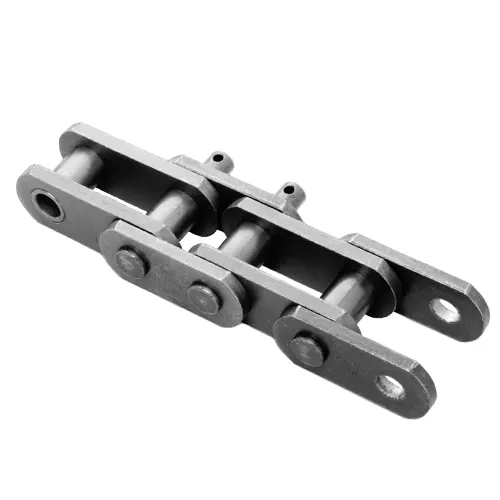
A coal mining conveyor chain is a crucial component in the mining industry. It is responsible for transporting large quantities of coal from one location to another. To ensure the smooth operation of the conveyor chain and prevent any unexpected downtime, regular inspections are essential. In this article, we will discuss the step-by-step process of inspecting a coal mining conveyor chain.
Determining the Inspection Frequency
Before diving into the inspection process, it is crucial to determine the appropriate inspection frequency. Factors such as the chain’s workload, environmental conditions, and maintenance history should be taken into consideration. Regular inspections may be needed in harsh operating conditions or for chains with a high workload.
Inspecting the Chain Links
The first step in the inspection process is to examine the chain links. Look for any signs of wear, corrosion, or damage. Pay close attention to the pins, bushings, and rollers. If any abnormalities are detected, they should be addressed promptly to prevent further damage.
Checking the Tension
Proper tension is crucial for the conveyor chain’s efficient operation. Check the tension by applying pressure to the chain at various points. It should have a slight amount of slack while still maintaining a proper tension. Adjustments may be necessary if the tension is too loose or too tight.
Inspecting the Sprockets
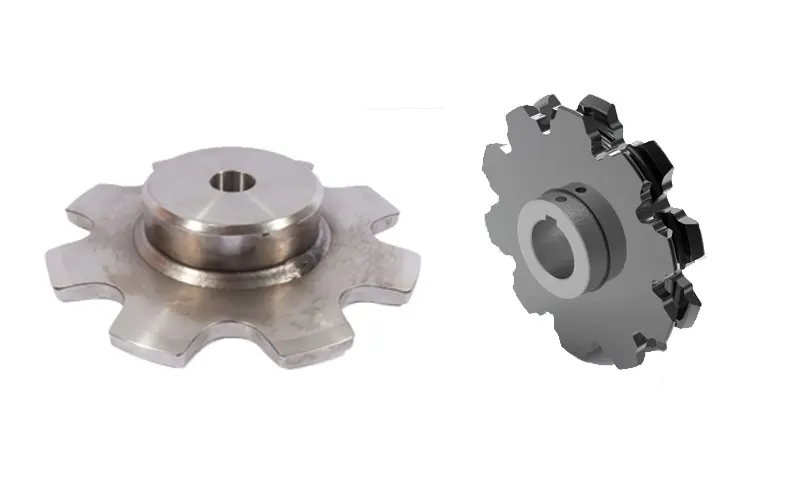
Sprockets play a vital role in the smooth movement of the conveyor chain. Examine the sprocket teeth for any signs of wear or damage. Ensure that the teeth are properly aligned and engage with the chain links smoothly. Any worn or misaligned sprockets should be replaced immediately.
Examining the Lubrication
Proper lubrication is essential to reduce friction and extend the lifespan of the conveyor chain. Check the lubrication points and ensure they are adequately greased. Insufficient lubrication can lead to increased wear and premature failure of the chain.
Inspecting the Chain Guides
Chain guides help to maintain the conveyor chain’s alignment and prevent it from derailing. Inspect the guides for any signs of wear or damage. Ensure that they are securely fastened and provide proper support for the chain. Replace any worn or damaged guides to avoid potential accidents.
Checking for Alignment
Improper alignment can cause excessive wear on the chain and other components. Use a laser alignment tool to check the alignment of the conveyor chain. Make any necessary adjustments to ensure that the chain runs smoothly and evenly.
Inspecting the Safety Features
Lastly, inspect the safety features of the conveyor chain. Check the emergency stop buttons, safety guards, and any other safety mechanisms. Ensure that they are in proper working condition and meet all safety standards.
Sprockets for Mining Chains
Sprockets are an integral part of mining chains, working hand in hand to ensure the smooth operation of the conveyor system. The sprockets’ teeth engage with the chain links, providing the necessary driving force for the movement of the coal mining conveyor chain. Without properly functioning sprockets, the chain’s operation would be compromised, leading to inefficiencies and potential breakdowns.
About Ever-power
Ever-power is a renowned manufacturer of mining chains, known for its exceptional quality and reliable products. With years of experience in the industry, we have established a strong reputation for providing top-notch mining chains to customers in Europe and America. Our chains are designed to withstand the demanding conditions of coal mining operations, ensuring optimal performance and longevity.
Our manufacturing facilities are equipped with state-of-the-art technology, allowing us to produce high-quality chains with precision and efficiency. We take pride in our commitment to delivering superior products that meet the highest industry standards. Our satisfied customers can attest to the durability and reliability of our mining chains.
At Ever-power, we prioritize customer satisfaction and offer competitive prices without compromising on quality. We strive to provide the best possible service, from product selection to after-sales support. We encourage you to explore our range of mining chains and contact us for any inquiries or to make a purchase.

Daily Maintenance of Mining Chains
- Regularly clean and remove any debris or material buildup on the conveyor chain to prevent excessive wear and maintain optimal performance.
- Inspect and replace any worn or damaged components, such as chain links, sprockets, or guides, to prevent further damage and ensure safe operation.
- Monitor the lubrication levels and apply grease or lubricants as recommended by the manufacturer. Proper lubrication reduces friction and extends the chain’s lifespan.
- Check the tension of the conveyor chain regularly and adjust it as needed to ensure optimal performance and prevent chain slippage.
- Train operators and maintenance personnel on proper operating procedures and safety protocols to minimize the risk of accidents and prolong the chain’s lifespan.
Q&A
Q: How often should a coal mining conveyor chain be inspected?
A: The inspection frequency depends on factors such as workload, environmental conditions, and maintenance history. Regular inspections may be needed in harsh operating conditions or for chains with a high workload.
Q: What are the consequences of not inspecting a coal mining conveyor chain?
A: Not inspecting a coal mining conveyor chain can lead to increased wear, unexpected breakdowns, and costly downtime. It can also compromise the safety of the mining operation.
Q: How can I extend the lifespan of a coal mining conveyor chain?
A: Regular maintenance, proper lubrication, and timely replacement of worn or damaged components can help extend the lifespan of a coal mining conveyor chain.
Edited by: Zqq.