How to increase RPM using Pulley
Understanding how to increase RPM (Revolutions Per Minute) using a pulley system is a valuable skill, especially in the world of mechanics. It is a fundamental principle that can be applied in various settings, from car engines to industrial machinery. This handy guide will take you through the process step by step.
Understanding the Basics
Before diving into the specifics, it’s important to comprehend the basic principles involved in pulley systems and how they affect RPM. Pulleys are simple machines that use a wheel and a rope, chain, or belt to transmit mechanical power. The RPM in a pulley system is influenced by the size of the pulleys and the speed at which they move.
The Science Behind Pulley Systems and RPM
When it comes to pulley systems, the rule of thumb is that a smaller pulley will spin faster given the same belt or chain speed. This is because the smaller pulley has a smaller circumference, so the belt or chain moves a shorter distance to complete one revolution. Conversely, a larger pulley will spin slower because its larger circumference means the belt or chain has to travel a longer distance to complete one revolution.
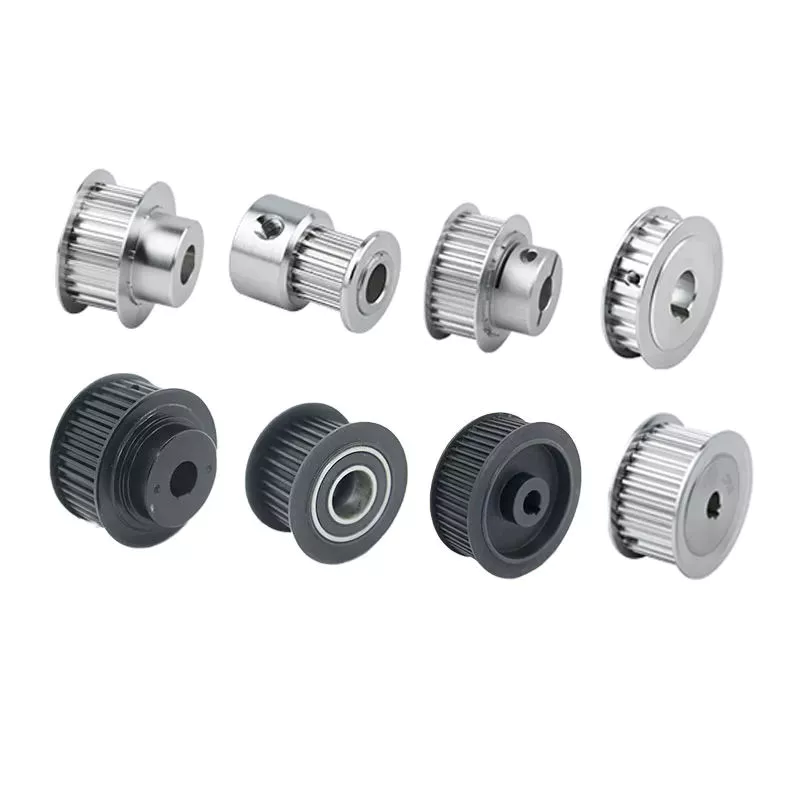
How to Increase RPM
To increase the RPM in a pulley system, you generally have two options: increase the speed at which the belt or chain is moving, or decrease the size of the pulley. Let’s break these down:
1. Increase Belt or Chain Speed
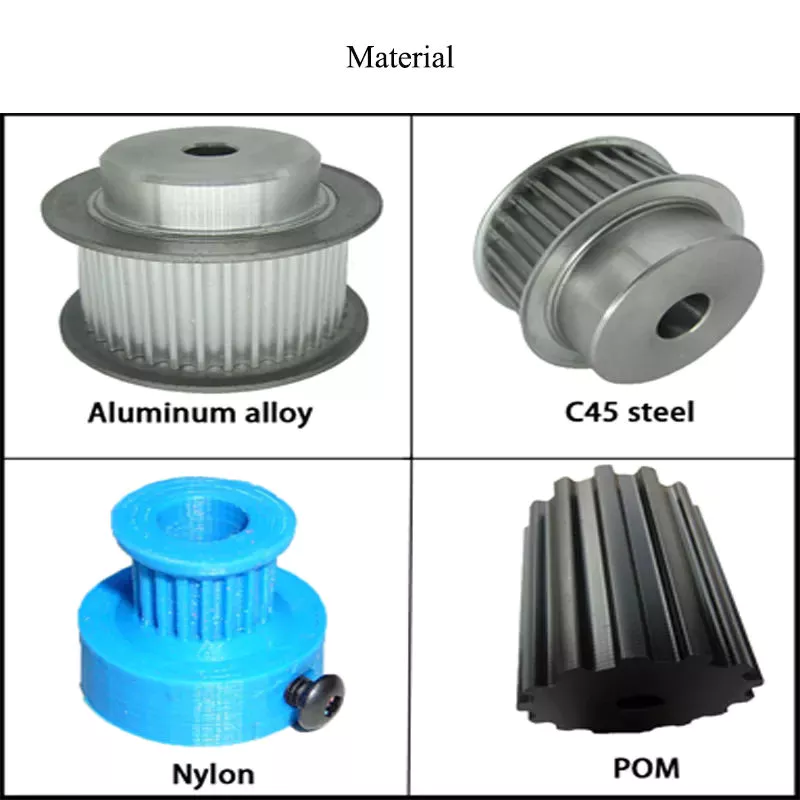
If you increase the speed at which the belt or chain moves, you’ll increase the RPM. This can be done by increasing the power supplied to the system. However, this might not always be possible due to power constraints, or it might lead to increased wear and tear on the system.
2. Decrease Pulley Size
Decreasing the size of the pulley is another effective way to increase RPM. As mentioned earlier, a smaller pulley will spin faster given the same belt or chain speed. This is often a more feasible and cost-effective solution, especially in cases where increasing power isn’t an option.
Practical Steps to Increase RPM using a Pulley System
Now that we’ve covered the theory, let’s look at the practical steps you can take to increase RPM using a pulley system:
- Determine the current RPM: Before making any changes, it’s important to know your starting point. You’ll need to measure the current RPM of your pulley system. This can usually be done using a handheld tachometer.
- Decide on the desired RPM: Next, you’ll need to decide on the desired RPM. This might be dictated by the requirements of a particular machine or process, or you might simply be aiming for maximum efficiency.
- Choose the right pulley size: Once you know your current and desired RPM, you can calculate the size of the pulley you’ll need. There are various online calculators and charts that can help with this.
- Install the new pulley: Finally, you’ll need to install the new pulley. This will generally involve removing the old pulley, installing the new one, and then adjusting the tension in the belt or chain to ensure it’s running smoothly.
Conclusion
Increasing the RPM using a pulley system is a practical way to improve efficiency and performance in a wide range of applications. By understanding the principles at play and following these steps, you can successfully adjust your system to meet your specific needs.