Introduction
In the coal mining industry, the implementation of real-time monitoring for conveyor chains is crucial for ensuring operational efficiency and safety. By continuously monitoring the condition of the chains, potential issues can be detected early, allowing for timely maintenance and preventing costly downtime. In this article, we will explore the various aspects of implementing real-time monitoring for coal mining conveyor chains, from the importance of monitoring to the technologies and strategies involved.
1. The Significance of Real-Time Monitoring
Real-time monitoring plays a pivotal role in the coal mining industry, specifically in the context of conveyor chains. By monitoring the chains in real-time, mining companies can:
- Ensure optimal chain performance
- Prevent unexpected chain failures
- Reduce maintenance costs
- Enhance overall operational efficiency
2. Technologies for Real-Time Monitoring
Implementing real-time monitoring for coal mining conveyor chains requires the utilization of advanced technologies. Some of the key technologies employed in this process include:
- Vibration analysis
- Thermal imaging
- Wireless sensor networks
- Machine learning algorithms
3. Strategies for Real-Time Monitoring
To effectively implement real-time monitoring for coal mining conveyor chains, companies can adopt the following strategies:
- Establish a centralized monitoring system
- Install sensors along the conveyor chains
- Implement predictive maintenance practices
- Integrate monitoring data with analytics platforms
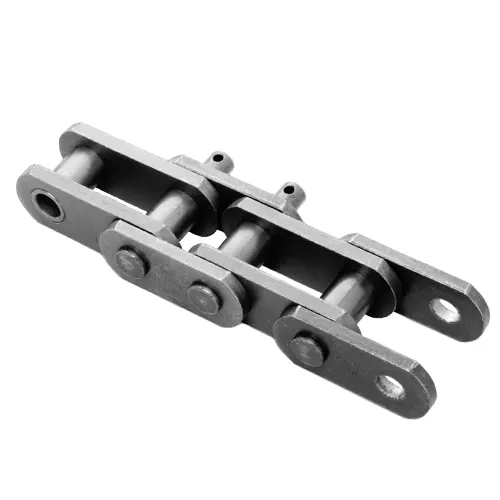
4. Importance of Proper Chain Maintenance
Proper maintenance of mining chains is essential for their longevity and optimal performance. Here are five key points to consider:
- Regular lubrication to minimize friction and wear
- Tension adjustment to prevent chain slippage
- Inspection of chain links for signs of damage or deformation
- Replacement of worn-out or damaged chain components
- Periodic cleaning to remove dirt and debris
Sprockets for Mining Chains
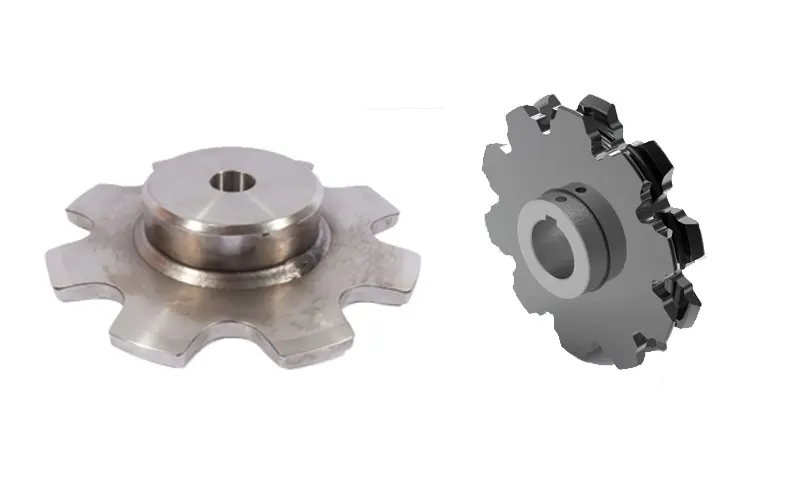
The relationship between mining chains and sprockets is mutually supportive and crucial in ensuring efficient conveyor operation. Sprockets provide the necessary drive and support for the mining chains, ensuring smooth movement and reliable performance. In turn, the mining chains transmit power and carry the material load for the conveyor system. The compatibility and proper alignment between the chains and sprockets are vital for optimal system functioning.
About Ever-power
Ever-power is a leading provider of mining chains, renowned for its exceptional product quality and customer service. Our strengths include:
- Extensive experience in the mining industry
- Advanced manufacturing capabilities
- A distinguished customer base in Europe and America
- Commitment to providing competitive pricing
- Superior product performance and reliability
- End-to-end solutions for mining chain requirements
We encourage customers to explore our mining chain products and contact us for purchasing inquiries.

Q&A
Q: How often should coal mining conveyor chains be monitored?
A: Regular monitoring is essential for early detection of any potential issues. It is recommended to monitor the conveyor chains at least once a day or more frequently during intense mining operations.
Q: What are the common causes of chain failures in coal mining conveyor systems?
A: Chain failures can occur due to various factors, including excessive tension, inadequate lubrication, contamination, material buildup, and improper alignment. Regular monitoring helps identify these issues before they lead to catastrophic failures.
Q: Can real-time monitoring improve workplace safety in coal mines?
A: Absolutely. Real-time monitoring allows for proactive maintenance, reducing the risk of sudden chain failures and potential accidents. By ensuring the chains are in optimal condition, workplace safety can be significantly enhanced.
Edited by: Zqq.