Introduction
In this article, we will explore the various ways to identify gearbox overheating issues in a double worm reduction gearbox. Gearbox overheating can lead to significant damage and reduced efficiency, so it is crucial to recognize the signs and take appropriate action. By understanding the causes and symptoms of overheating, you can prevent costly repairs and ensure the optimal performance of your gearbox.
1. Insufficient Lubrication
One of the primary causes of gearbox overheating is insufficient lubrication. The lack of proper lubrication can lead to increased friction and heat generation within the gearbox. To address this issue, it is essential to ensure the gearbox is adequately lubricated with the correct type and amount of lubricant. Regular monitoring of lubricant levels and timely replenishment can prevent overheating.
2. Contamination
Contamination can also contribute to gearbox overheating. Dust, dirt, debris, and other contaminants can enter the gearbox, causing increased friction and heat. Regular cleaning and maintenance of the gearbox and its surroundings can minimize the risk of contamination. Additionally, installing effective seals and filters can help prevent contaminants from entering the gearbox.
3. Overloading
Overloading the gearbox can result in excessive heat buildup. When the gearbox is subjected to loads beyond its design capacity, the gears and bearings experience higher stress and friction, leading to overheating. It is crucial to operate the gearbox within its specified load limits to prevent overheating. Regular checks on load conditions and timely adjustments are necessary to avoid overloading.
4. Misalignment
Misalignment of the gearbox components can cause uneven distribution of forces and increased friction, leading to overheating. It is important to ensure proper alignment during installation and regular maintenance. Regular inspections and adjustments can correct any misalignment issues and prevent overheating.
5. Insufficient Cooling
Inadequate cooling mechanisms can contribute to gearbox overheating. The gearbox should be designed with proper cooling systems such as fans, heat exchangers, or cooling fins to dissipate heat effectively. Regular inspection and maintenance of these cooling mechanisms are necessary to ensure optimal cooling and prevent overheating.
6. Vibration and Noise
Excessive vibration and noise can indicate potential overheating issues in a gearbox. Vibrations can result from misalignment, worn-out gears, or bearing failure, all of which can contribute to increased friction and heat generation. Regular monitoring of vibration levels and addressing any abnormalities promptly can help prevent overheating.
7. Gearbox Temperature Monitoring
Regular temperature monitoring of the gearbox can help identify overheating issues. Using temperature sensors and monitoring devices, you can track the temperature within the gearbox and set alarms for abnormal temperature rises. Timely intervention based on temperature readings can prevent further damage and overheating.
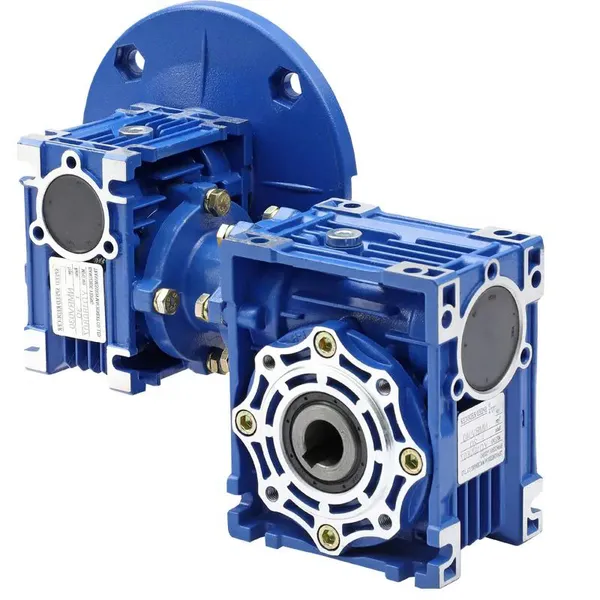
Electric Motors for Sale
Electric motors and gearboxes are interdependent components in many industrial applications. The gearbox enables the motor to transmit power efficiently and adapt it to the desired speed and torque requirements. In turn, the motor provides the necessary rotational force to drive the gearbox. This symbiotic relationship between gearboxes and electric motors highlights their mutual importance in ensuring optimal system performance.
At our company, we offer a wide range of electric motors for sale that are specifically designed to work seamlessly with our gearbox products. Our motors are highly efficient, reliable, and precisely matched to our gearboxes, ensuring maximum performance and energy savings. By providing both gearboxes and electric motors, we offer a comprehensive solution for your power transmission needs.

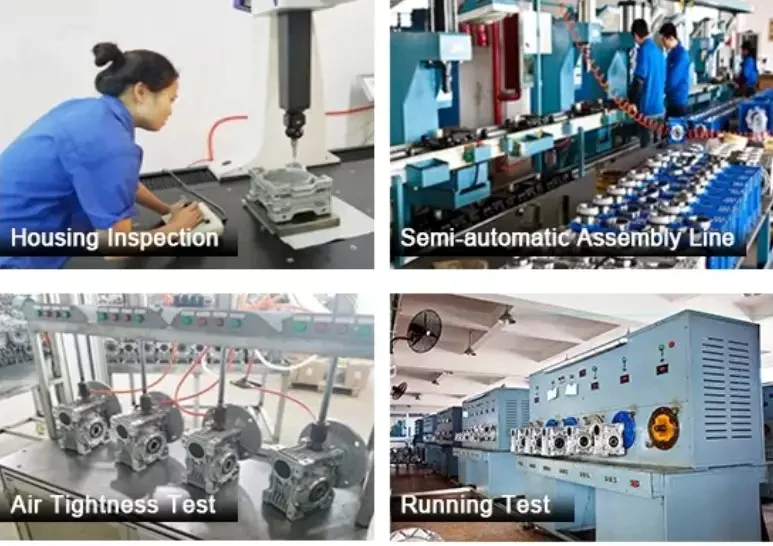
By choosing our products, you can benefit from our expertise in the field of transmission equipment manufacturing. With over 15 years of experience and a strong reputation, we are committed to delivering the highest quality products and services to our customers. Our state-of-the-art production facilities, advanced equipment, and skilled professionals enable us to meet the diverse needs of customers worldwide.
As a trusted supplier, we have served customers across Europe, America, Africa, Asia, and other regions. We take pride in our ability to provide exceptional products at competitive prices, ensuring customer satisfaction. Our extensive product range includes MRV series worm gear reducers, GV series gear reducers, RT series solar reducers, XV series planetary reducers, BD series harmonic reducers, and various types of non-standard reducers.
These products find applications in a wide range of industries, including equipment, food, car washing, packaging, transmission, automation, solar energy, and more. Our commitment to innovation, quality, and customer service has earned us the trust and loyalty of our clients.
Q&A
Q: How often should I check the lubrication levels in my gearbox?
A: It is recommended to check the lubrication levels periodically, preferably every month, and top up if necessary. However, the frequency may vary depending on the operating conditions and manufacturer’s recommendations.
Q: Can contamination be completely eliminated from the gearbox?
A: While it is not possible to completely eliminate contamination, taking preventive measures such as installing effective seals and filters can significantly reduce the risk. Regular cleaning and maintenance also help keep the gearbox free from contaminants.
Q: What are the consequences of operating a gearbox beyond its load limits?
A: Operating a gearbox beyond its load limits can lead to accelerated wear, increased heat generation, and premature failure of gears and bearings. It can also compromise the overall efficiency and performance of the gearbox.
Q: How can I align the gearbox components properly during installation?
A: Proper alignment can be achieved by using precision alignment tools and following the manufacturer’s guidelines. It is recommended to seek professional assistance if you are unsure about the alignment process.
Q: Is it necessary to cool the gearbox if it operates at low speeds?
A: Yes, cooling is still necessary even at low speeds as gearboxes generate heat due to friction and load. Proper cooling mechanisms should be in place to maintain the optimal operating temperature and prevent overheating.
Edited by Zqq.