How to Free a Seized Pulley
While working on your machinery, you may encounter a seized pulley. When this happens, it’s crucial to understand the steps involved in freeing this crucial component. The following guide will provide a step-by-step approach to help you free a seized pulley effectively.
Understanding a Seized Pulley
Firstly, it’s important to understand what a seized pulley is. A pulley becomes seized when it no longer rotates on its shaft, typically due to rust or bearing failure. This can cause significant issues for your machine’s operation, leading to decreased performance and potentially costly repairs if not addressed promptly.
Identifying a Seized Pulley
Before you begin the process of freeing a seized pulley, you need to correctly identify the issue. Signs of a seized pulley may include unusual noises, a decrease in performance, or the pulley not turning at all. If these symptoms are observed, it’s likely you’re dealing with a seized pulley.
Materials Needed
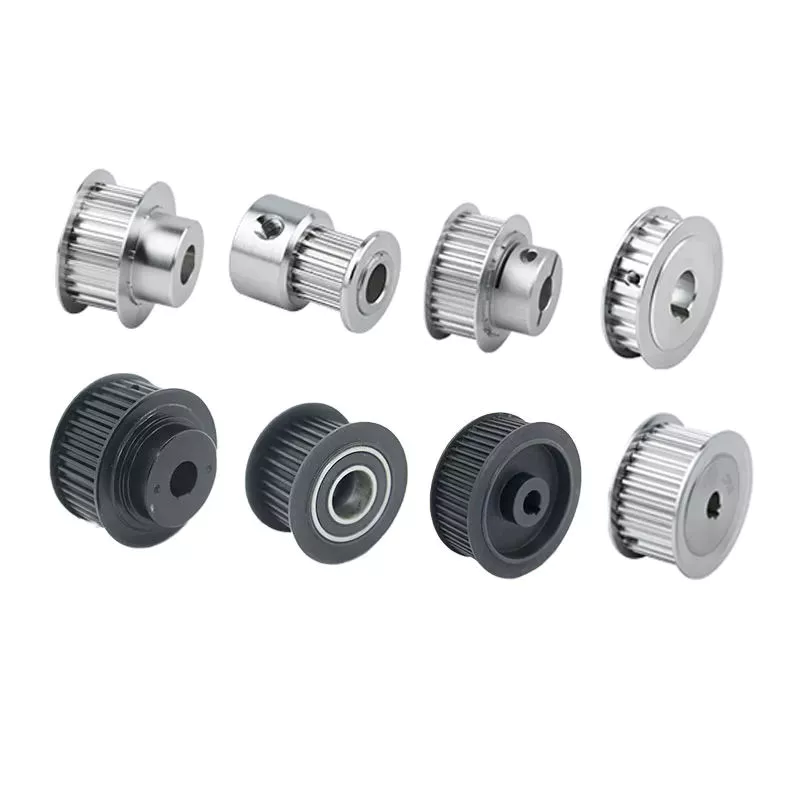
Before starting, ensure you have all the necessary materials at hand. These include a wrench or socket set, penetrating oil, a rubber mallet, and a puller tool. Having these tools readily available will make the process smoother and more efficient.
Steps to Free a Seized Pulley
Step 1: Safety First
Before starting any mechanical work, always prioritize safety. Ensure the machine is switched off and unplugged to prevent any accidental startups. It’s also advisable to wear protective clothing, including gloves and safety glasses.
Step 2: Loosen the Pulley
Using your wrench or socket set, attempt to loosen the pulley by applying force in the direction of rotation. If the pulley doesn’t move, don’t force it as this can cause further damage. Instead, proceed to the next step.
Step 3: Apply Penetrating Oil
Penetrating oil can be highly effective for freeing seized pulleys. Apply it liberally around the seized area and allow it to soak for several hours, or even overnight if possible. The oil works to penetrate the rust and loosen the seized components.
Step 4: Use a Rubber Mallet
After the penetrating oil has been allowed to soak, gently tap the pulley with a rubber mallet. This can help to break up any remaining rust and free the seized pulley. Again, be careful not to apply too much force to avoid causing additional damage.
Step 5: Use a Puller Tool
If the pulley remains seized after applying penetrating oil and using a rubber mallet, it may be necessary to use a puller tool. This tool can apply more force and is often effective for freeing stubbornly seized pulleys.
Preventing Future Seizures
Once the pulley is freed, it’s important to take steps to prevent future seizures. Regular maintenance and proper lubrication can help to keep your pulley operating smoothly. Additionally, consider replacing any worn or damaged parts promptly to extend the lifespan of your machinery.
Conclusion
Dealing with a seized pulley can be a daunting task, but with the right tools and approach, it’s a manageable one. By understanding the issue, preparing adequately, and following the steps outlined above, you can effectively free a seized pulley and restore your machine’s performance.