How to Evaluate the Dynamic Stability of Hypoid Gear Pairs
The Importance of Dynamic Stability in Hypoid Gear Pairs
Dynamic stability plays a critical role in the performance and reliability of hypoid gear pairs. It refers to the ability of the gear system to maintain consistent and smooth operation under varying loads and speeds. Evaluating the dynamic stability of hypoid gear pairs is crucial for ensuring optimal performance and preventing premature failure.
1. Geometric Design Parameters and Dynamic Stability
The geometric design parameters of hypoid gear pairs significantly impact their dynamic stability. These parameters include the gear module, pressure angle, tooth profile, and tooth contact pattern. Each of these factors affects the load distribution and transmission characteristics, which ultimately influence the gear pair’s dynamic behavior.
2. Vibration Analysis for Dynamic Stability Assessment
Vibration analysis is an effective tool for evaluating the dynamic stability of hypoid gear pairs. It involves measuring and analyzing the vibration signals produced during gear operation. By examining the frequency spectrum and identifying any abnormal vibration patterns, engineers can assess the gear pair’s dynamic behavior and detect potential issues such as tooth wear, misalignment, or excessive backlash.
3. Finite Element Analysis for Dynamic Stability Prediction
Finite element analysis (FEA) is a powerful numerical method used to predict the dynamic stability of hypoid gear pairs. By modeling the gear system and simulating its response to various loads and operating conditions, FEA enables engineers to evaluate the gear pair’s natural frequencies, mode shapes, and critical speeds. This information helps identify potential resonance zones and design modifications to improve dynamic stability.
4. Lubrication and Dynamic Stability
Lubrication plays a crucial role in the dynamic stability of hypoid gear pairs. Proper lubrication ensures sufficient film thickness and reduces friction and wear between the gear teeth. Insufficient lubrication can lead to increased vibration, power losses, and even catastrophic failures. Therefore, evaluating the lubrication conditions and selecting the appropriate lubricant is essential for maintaining the dynamic stability of hypoid gear pairs.
5. Noise Analysis and Dynamic Stability
Noise analysis is closely related to the dynamic stability of hypoid gear pairs. Excessive gear noise is often an indication of poor dynamic stability, resulting from factors such as tooth profile errors, manufacturing defects, or improper gear meshing. By analyzing the noise spectrum and identifying its sources, engineers can diagnose the gear pair’s dynamic behavior and implement corrective measures to improve stability and reduce noise levels.
6. Dynamic Stability Testing and Validation
Dynamic stability testing involves subjecting the hypoid gear pairs to various operating conditions and load profiles to assess their performance and stability. This testing can be carried out using specialized test rigs, where parameters such as torque, speed, and temperature are controlled and monitored. By analyzing the gear pair’s response to these test conditions, engineers can validate the design and make necessary adjustments to enhance dynamic stability.
7. Real-World Applications and Case Studies
The evaluation of dynamic stability in hypoid gear pairs has significant implications for various industries. In automotive applications, for example, ensuring the dynamic stability of gear systems is crucial for smooth power transmission and noise reduction. Industrial machinery, aerospace systems, and robotics also rely on well-designed and stable hypoid gear pairs to deliver optimal performance and reliability.
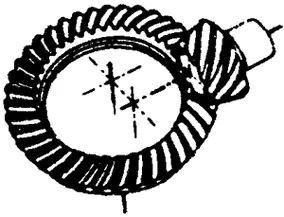
About Our Gear Factory
We are a professional gear manufacturing factory dedicated to producing high-quality gears for various industries. With years of experience and advanced technology, we specialize in delivering gears that meet the most demanding requirements of our customers.
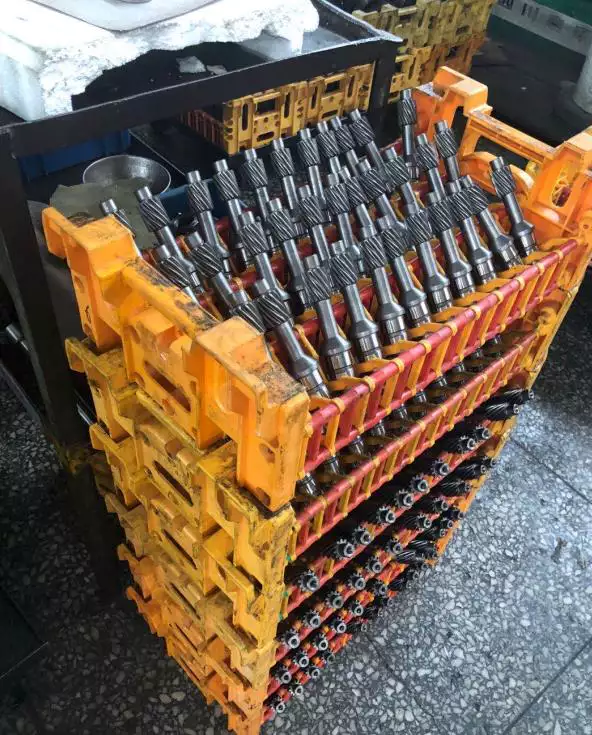
Our Gear Manufacturing Process
- Raw Material Preparation: Our gears start with high-quality raw materials that undergo forging and heat treatment processes to achieve the desired mechanical properties.
- Rough Machining: Through precision turning, drilling, and boring operations, the gears are shaped to their initial forms with accurate dimensions.
- Forming Process: The gear teeth are formed using specialized processes such as gear hobbing, gear shaping, or gear shaving, ensuring precise tooth profiles and optimal meshing characteristics.
- Semi-Finishing: This stage involves processes like chamfering, keyway machining, and deburring to remove any sharp edges or burrs that may affect the gear’s performance and durability.
- Heat Treatment: To enhance the gear’s strength and wear resistance, we employ heat treatment techniques such as carburizing, nitriding, or quenching and tempering.
- Finishing Machining: The gear teeth are finely finished through grinding or honing processes to achieve the desired surface finish and tooth profile accuracy.
- Inspection and Quality Assurance: We conduct comprehensive gear testing and inspection to ensure the highest quality standards. Various methods, including gear measurement, surface analysis, and non-destructive testing, are employed to verify the gear’s dimensional accuracy, surface integrity, and material properties.
We pride ourselves on delivering gears that meet the strictest quality requirements and exceed customer expectations. Our commitment to continuous improvement and technological innovation enables us to provide reliable and efficient gear solutions for a wide range of applications.
By choosing our gear manufacturing services, you can benefit from:
- Advanced manufacturing capabilities and state-of-the-art equipment
- Strict quality control and adherence to international standards
- Customized gear solutions tailored to your specific needs
- Experienced engineering team providing technical support
- Competitive pricing and on-time delivery
Partner with us for all your gear needs and experience the difference of working with a trusted gear manufacturer.
Author: Miya