Coal mining conveyor chains play a crucial role in the coal mining industry, ensuring efficient and safe transportation of coal from the mines to various processing units. Proper tension on these chains is essential to maintain smooth operation and prevent any unwanted incidents. In this blog post, we will explore various techniques and best practices to ensure the proper tension of coal mining conveyor chains.
1. Understanding Chain Tension
Before diving into the techniques, it’s important to understand the concept of chain tension in coal mining conveyor systems. Chain tension refers to the force applied to the chains to keep them properly engaged with the sprockets and prevent slack or excessive tension. Proper tension ensures optimal performance and minimizes wear and tear.
2. Performing Regular Inspections
Regular inspections of the conveyor chains are essential to identify any signs of wear, damage, or misalignment. Inspect the chains for signs of elongation, bent or broken links, and excessive wear on the contact surfaces. Addressing these issues promptly will help maintain the correct tension.
3. Adjusting Tensioning Mechanisms
Most coal mining conveyor systems are equipped with tensioning mechanisms that allow for easy adjustment of chain tension. These mechanisms can include take-up screws, hydraulic cylinders, or counterweights. Regularly check and adjust these mechanisms to ensure the proper tension according to manufacturer’s guidelines.
3.1 Take-up Screw Adjustment
If your conveyor system utilizes take-up screws, follow these steps to adjust the tension:
- Identify the take-up screws located at the ends of the conveyor.
- Loosen the lock nuts.
- Rotate the screws clockwise to increase tension or counterclockwise to decrease tension.
- Tighten the lock nuts once the desired tension is achieved.
3.2 Hydraulic Cylinder Adjustment
For systems with hydraulic cylinders, the process of adjusting tension is slightly different:
- Identify the hydraulic cylinder location.
- Use a pressure gauge to measure the current tension.
- Adjust the hydraulic pressure accordingly to achieve the desired tension.
- Ensure proper lockout/tagout procedures are followed during the adjustment process.
4. Proper Lubrication
Regular and proper lubrication of the chains is vital to reduce friction, wear, and maintain proper tension. Use high-quality lubricants recommended by the chain manufacturer and follow their guidelines for lubrication intervals and application methods.
5. Monitoring Chain Wear
Regularly monitor chain wear and track the chain’s service life to determine when replacement is necessary. Excessive wear can lead to improper tension and potential chain failure. Utilize wear indicators or conduct periodic measurements to assess the chain’s condition accurately.
6. Sprockets for Mining Chains
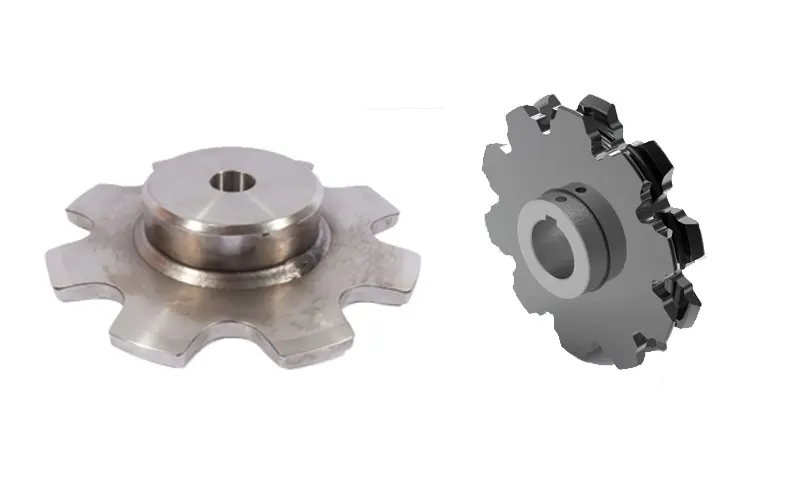
Sprockets are essential components that work in conjunction with mining chains to ensure smooth and efficient operation. They play a crucial role in maintaining proper tension and engagement. The design and quality of sprockets directly impact the performance and longevity of mining chains.
About Ever-power
Ever-power is a leading manufacturer of mining chains, providing superior products and services to customers worldwide. Our mining chains are renowned for their exceptional quality, durability, and competitive pricing. With a state-of-the-art production facility and a strong customer base in Europe and America, we are committed to delivering the best solutions for your mining chain needs.

Advantages of Ever-power Mining Chains:
- High-quality materials ensuring superior strength and longevity.
- Advanced manufacturing techniques for precision and reliability.
- Customizable options to meet specific mining requirements.
- Exceptional customer service and support.
- Competitive pricing without compromising on quality.
We encourage you to explore our range of mining chains and contact us for any inquiries or to make a purchase. Our experts are ready to assist you in finding the perfect solution for your mining chain needs.
Q&A
Q: How often should conveyor chains be inspected?
A: Conveyor chains should be inspected at regular intervals, ideally every three to six months, to identify any signs of wear or damage.
Q: Can improper tension lead to chain failure?
A: Yes, improper tension can cause chain failure due to excessive wear, increased stress, and reduced engagement with sprockets.
Q: What lubrication method is recommended for mining chains?
A: It is recommended to use a spray or brush lubrication method to ensure even distribution of lubricant on the chain surfaces.
Edited by: Zqq.