Conveyor chains are crucial components of the mining industry as they transfer heavy loads of minerals, coal, and other materials from one place to another. However, these chains are prone to failure due to wear and tear, which can lead to costly downtime and loss of revenue. Therefore, it is essential to develop an emergency response plan to deal with conveyor chain failures effectively. In this article, we will discuss how to develop an emergency response plan for conveyor chain failures.
1. Understanding Conveyor Chain Failures
Before developing an emergency response plan, it is crucial to understand the common causes of conveyor chain failures. The most common causes are:
- Wear and tear due to heavy loads and friction
- Overloading of conveyor chains
- Improper lubrication
- Foreign objects or debris in the chain path
Understanding these causes will help in developing a comprehensive emergency response plan.
2. Conducting Regular Inspections
Regular inspections are crucial in identifying potential problems before they occur. The inspection should cover the entire conveyor system, including chains, sprockets, bearings, and other components. The inspection should look for signs of wear, corrosion, misalignment, and damage to the chains or other components.
Inspections should be conducted on a routine basis and should be carried out by qualified personnel who are familiar with conveyor systems.
3. Developing an Emergency Response Team
An emergency response team should be developed to deal with any conveyor chain failures. The team should consist of personnel who are trained in emergency response and familiar with the conveyor system. The team should have access to the necessary tools and equipment to repair or replace the failed components.
The emergency response team should be available 24/7 and should be able to respond quickly to any chain failures.
4. Developing a Communication Plan
A communication plan should be developed to ensure that all relevant personnel are informed of any chain failures. The communication plan should include contact information for the emergency response team, management, and other personnel who need to know about the failure.
The communication plan should also include procedures for reporting the failure, including who to contact and what information to provide.
5. Developing a Chain Replacement Plan
A chain replacement plan should be developed to ensure that failed chains are replaced as quickly as possible. The plan should include details on where to source replacement chains, lead times, and costs.
The replacement plan should also include procedures for replacing the chains, including who will carry out the replacement and what equipment will be needed.
6. Training Personnel
All personnel who operate or work with conveyor systems should receive training on how to recognize potential problems and how to respond in the event of a chain failure. The training should cover the emergency response plan, including procedures for reporting failures and contacting the emergency response team.
Personnel should also be trained in the safe operation of conveyor systems and the use of personal protective equipment.
Sprockets for Mining Chains
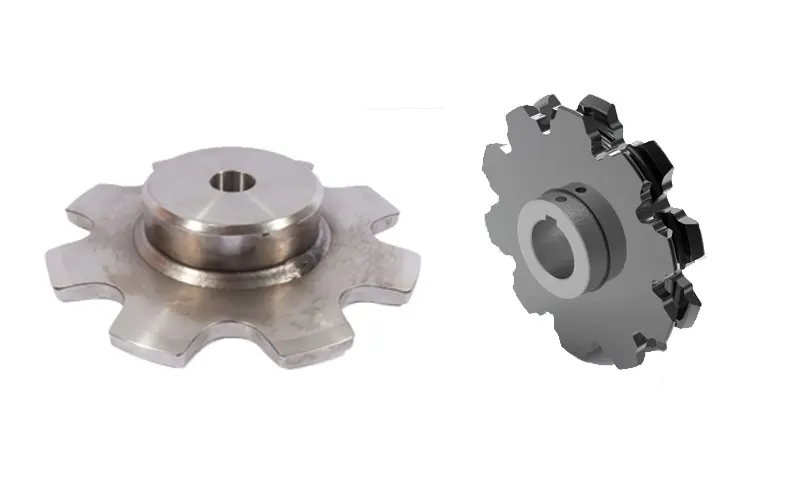
Sprockets are essential components of mining chains as they transfer power from the conveyor motor to the chain. The sprocket teeth engage with the chain links to move the load along the conveyor system. Therefore, the sprockets must be properly maintained and aligned with the chain to ensure smooth operation.
The selection of sprockets is critical, and they should be selected based on the application’s specific requirements. A poorly selected sprocket can result in premature wear and failure of the chain.
Regular inspections of the sprockets should be carried out to identify any signs of wear or misalignment. Sprockets that show signs of wear or damage should be replaced immediately to avoid chain failure.
About Ever-power
Ever-power is a leading manufacturer of mining chains, sprockets, and other components used in the mining industry. Our chains are designed to withstand heavy loads, extreme temperatures, and harsh environments.
We have a state-of-the-art manufacturing facility, where we produce high-quality chains that meet or exceed industry standards. Our manufacturing process is highly efficient, allowing us to deliver products quickly and at competitive prices.
We take pride in our customer service and offer excellent support to our clients. Our team of experts is always ready to answer any questions and provide advice on the selection and maintenance of mining chains.
Our major clients are located in Europe and the United States, where we have earned a reputation for our exceptional quality and service. We encourage our customers to explore our products and contact us for any inquiries or purchases.

Q&A
Q: Can conveyor chain failures be prevented?
A: While conveyor chain failures cannot be completely prevented, regular inspections, maintenance, and proper lubrication can help reduce the frequency of failures.
Q: How long does it take to replace a failed chain?
A: The time it takes to replace a failed chain depends on several factors, including the location of the failure, the availability of replacement chains, and the size of the conveyor system. However, with a well-developed emergency response plan, the replacement time can be minimized.
Q: How often should conveyor chains be replaced?
A: Conveyor chains should be replaced when they show signs of wear or damage. Regular inspections can help identify chains that need to be replaced before they fail and cause downtime.
Edited by: Zqq.