Introduction
Stepless speed variators are crucial components in various industrial applications. To ensure their optimal performance and longevity, it is essential to develop a comprehensive maintenance schedule. This article will outline the key steps to develop an effective maintenance schedule for stepless speed variators.
Understanding Stepless Speed Variators
1. What are Stepless Speed Variators?
Stepless speed variators, also known as variable speed drives, are mechanical devices used to control the speed and torque output of electric motors. They provide smooth and precise speed control, allowing for efficient operation in various applications.
2. Types of Stepless Speed Variators
There are several types of stepless speed variators available, including:
- Electromechanical Variators
- Hydraulic Variators
- Pneumatic Variators
- Electronic Variators
3. Working Principle
Stepless speed variators work by adjusting the transmission ratio between the input and output shafts. This adjustment can be achieved through various mechanisms, such as pulleys, belts, or gears, depending on the type of variator.
Importance of Maintenance for Stepless Speed Variators
1. Preventive Maintenance
Regular maintenance is crucial to prevent unexpected breakdowns and costly repairs. By following a maintenance schedule, you can identify and address potential issues before they escalate, ensuring the smooth operation of stepless speed variators.
2. Prolonged Lifespan
Proper maintenance can significantly extend the lifespan of stepless speed variators. Regular lubrication, cleaning, and inspection of key components help reduce wear and tear, ensuring optimal performance and reliability over time.
3. Enhanced Efficiency
Well-maintained stepless speed variators operate with improved efficiency, resulting in energy savings and reduced operating costs. Regular maintenance tasks, such as aligning belts or lubricating gears, help minimize friction and increase overall system efficiency.
Developing a Maintenance Schedule
1. Inspection and Cleaning
Regularly inspect and clean the variator housing, gears, belts, and other components to remove debris, dust, and dirt that may affect performance. Use appropriate cleaning agents and ensure all parts are dry before reassembly.
2. Lubrication
Follow the manufacturer’s guidelines to lubricate the variator’s moving parts. This includes applying grease or oil to bearings, gears, and other friction points. Use high-quality lubricants suitable for the specific variator type.
3. Belt Tension Adjustment
Check and adjust the tension of belts to ensure proper power transmission. Loose or over-tightened belts can lead to slippage, reduced efficiency, and premature wear. Use a tension gauge to achieve the recommended tension level.
4. Alignment
Inspect and align the variator’s pulleys, belts, and shafts to ensure they are properly aligned. Misalignment can cause excessive vibration, noise, and accelerated wear. Use precision alignment tools for accurate adjustments.
5. Electrical Checks
Periodically inspect the electrical connections, wiring, and control panels associated with the variator. Check for loose connections, damaged wires, or signs of overheating. Ensure the electrical components are in good condition and functioning correctly.
6. Performance Testing
Conduct regular performance tests to ensure the variator is operating within the specified parameters. Measure speed, torque, and other relevant parameters to validate its performance. Compare the results with the manufacturer’s specifications to identify any deviations.
7. Record Keeping
Maintain detailed records of all maintenance activities, including inspection dates, performed tasks, and any identified issues. This documentation helps track the maintenance history, identify recurring problems, and plan future maintenance activities effectively.
Electric motors for Sale
The maintenance of stepless speed variators is closely linked to the performance and longevity of electric motors. Electric motors provide the necessary power for stepless speed variators to function effectively. At [Company Name], we not only offer high-quality stepless speed variators but also provide a range of electric motors for sale that complement these variators.
Our electric motors are designed to work seamlessly with stepless speed variators, ensuring optimal performance and energy efficiency. By combining our reliable variators with our top-notch electric motors, customers can achieve enhanced system performance and maximize operational efficiency.
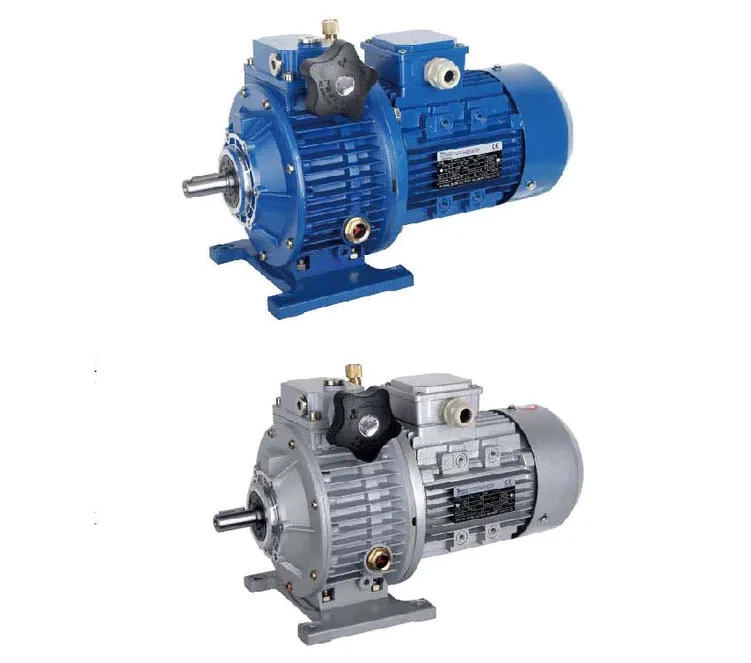
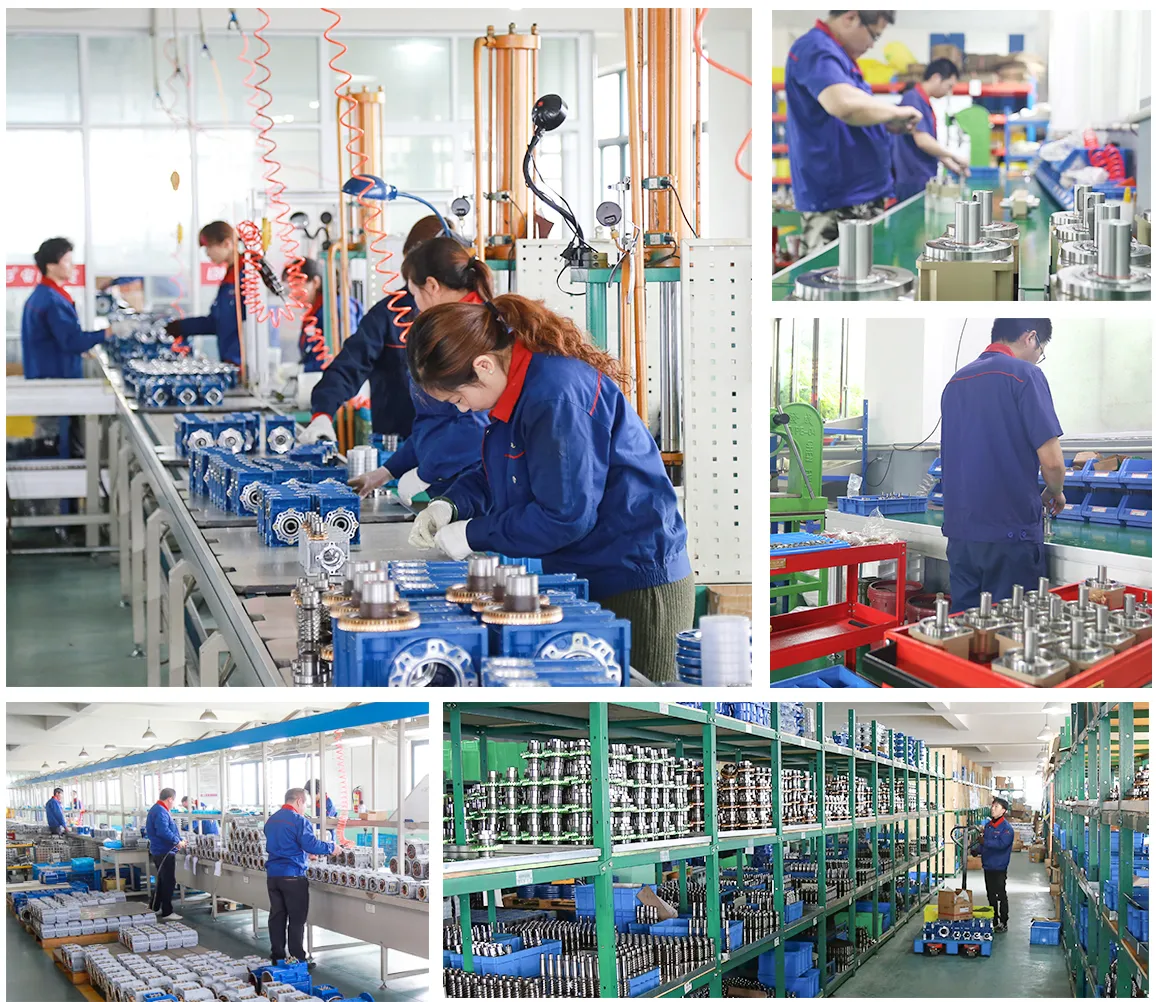
Our company, [Company Name], is a leading manufacturer of transmission equipment. We specialize in the research, development, manufacturing, and sales of speed reducers. With over 15 years of experience, we have established ourselves as a reputable supplier, serving customers across Europe, America, Africa, Asia, and more.
Committed to providing the highest quality products and services, we have invested in advanced production and testing equipment. Our team of industry professionals and technicians ensures innovative research and development, as well as stringent quality control throughout the production process.
Our wide range of gearboxes finds applications in various industries, including equipment, food, car washing, packaging, transmission, automation, and solar energy. We pride ourselves on delivering products that meet the highest standards and cater to our customers’ specific needs.
Q&A
1. Q: What are the common signs of a malfunctioning stepless speed variator?
A: Some common signs of a malfunctioning stepless speed variator include unusual noise, vibration, inconsistent speed output, and overheating. If you notice any of these signs, it is advisable to perform a thorough inspection and maintenance.
2. Q: How often should stepless speed variators be maintained?
A: The frequency of maintenance depends on various factors, such as the operating conditions, environmental factors, and the specific requirements of the variator. However, it is generally recommended to perform maintenance at regular intervals, such as quarterly or biannually, to ensure optimal performance.
3. Q: Can stepless speed variators be repaired if they break down?
A: In most cases, stepless speed variators can be repaired if they experience a breakdown. However, the extent of the repair and the associated costs may vary depending on the specific issue. It is important to consult a professional technician or the manufacturer for an accurate assessment and appropriate repairs.
Edited by: Zqq.