How To Determine The Load Capacity Of A Double Worm Reduction Gearbox?
Introduction
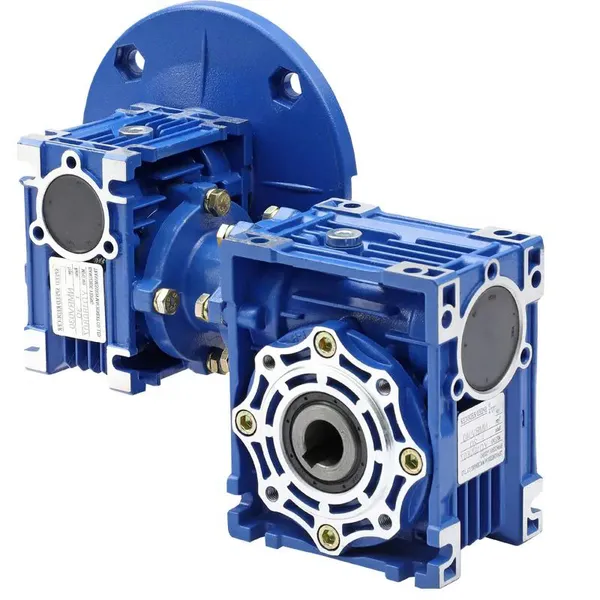
In this article, we will explore the process of determining the load capacity of a double worm reduction gearbox. This type of gearbox is widely used in various industries due to its efficiency and durability. By understanding the factors that affect the load capacity and following the appropriate calculations, you can ensure the optimal performance and longevity of your gearbox. Let’s delve into the details.
1. Understanding Load Capacity
Load capacity refers to the maximum amount of external force or torque that a gearbox can withstand without experiencing failure or damage. It is crucial to determine the load capacity accurately to avoid overloading the gearbox, which may lead to premature wear, decreased efficiency, or even catastrophic failure. Several key factors impact the load capacity of a double worm reduction gearbox.
2. Gear Materials and Design
The materials used in the construction of gears significantly influence the load capacity of a gearbox. High-quality alloy steels, such as hardened steel or bronze, are commonly used due to their strength and wear resistance. The design of the gears, including tooth profile and size, also plays a vital role in determining the load capacity. Gears with larger diameters and a higher number of teeth generally have higher load capacities.
3. Lubrication and Cooling
Proper lubrication is essential for reducing friction and heat generation within the gearbox. Insufficient lubrication can lead to increased wear and decreased load capacity. It is crucial to select the appropriate lubricant and ensure regular maintenance to maintain optimal lubrication levels. Additionally, some applications may require cooling mechanisms, such as cooling fans or heat exchangers, to dissipate excess heat and prevent overheating.
4. Operating Conditions
The operating conditions, including the speed of rotation, ambient temperature, and duty cycle, must be taken into account when determining the load capacity. Higher rotational speeds and elevated temperatures can increase the stress on the gearbox, thereby reducing its load capacity. Additionally, applications with frequent start/stop cycles or continuous heavy loads may require derating the load capacity to ensure reliable operation.
5. Load Distribution and Alignment
Proper load distribution across the gearbox’s gears is crucial for maintaining its load capacity. Uneven distribution can result in excessive stress on specific gears, leading to premature failure. Additionally, misalignment between the input and output shafts can cause additional stress and decrease the load capacity. Regular inspections and adjustments are necessary to ensure optimal load distribution and alignment.
Conclusion
Determining the load capacity of a double worm reduction gearbox requires careful consideration of various factors, including gear materials, design, lubrication, operating conditions, load distribution, and alignment. By following the appropriate calculations and taking these factors into account, you can ensure the optimal performance and longevity of your gearbox. Regular maintenance and inspections are essential to identify any potential issues and address them promptly. With proper care, your double worm reduction gearbox will continue to provide reliable and efficient operation for your applications.
Electric Motors for Sale
Electric motors and gearboxes go hand in hand when it comes to power transmission. A high-quality electric motor is crucial for driving the double worm reduction gearbox efficiently and effectively. The motor provides the necessary power and torque to drive the gearbox, while the gearbox reduces the speed and increases the torque output to match the desired application requirements. Together, they form a reliable and powerful combination for various industrial applications.

Our Company
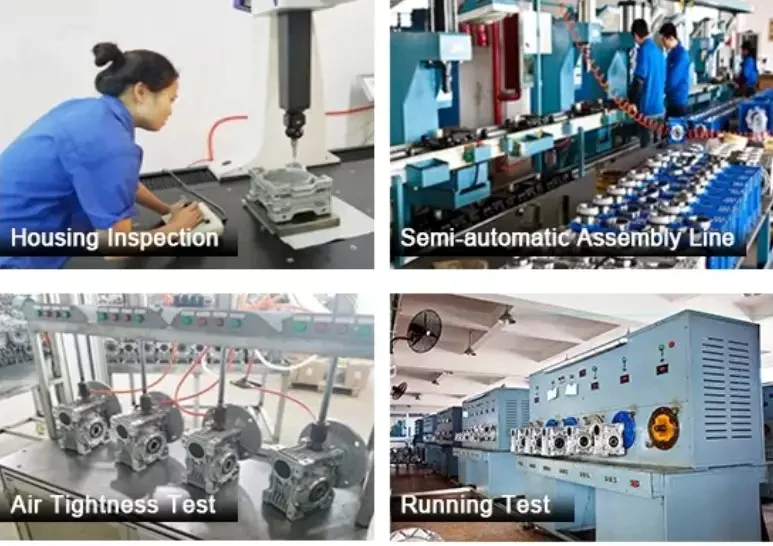
We are a comprehensive transmission equipment manufacturer integrating research and development, manufacturing, and sales of speed reducers. With over 15 years of experience, we specialize in the design, production, and sales of gearboxes, serving customers worldwide. Our commitment to excellence has earned us a reputation for providing top-quality products and services in Europe, America, Africa, Asia, and beyond.
Q&A
Q1: Can I use a double worm reduction gearbox in a high-speed application?
A1: While double worm reduction gearboxes are generally not recommended for high-speed applications due to increased friction and heat generation, it is essential to consult the manufacturer and conduct a thorough analysis of the specific operating conditions and load requirements.
Q2: Is it possible to increase the load capacity of a double worm reduction gearbox?
A2: The load capacity of a gearbox is primarily determined by its design and materials. It is generally not recommended to modify the gearbox to increase its load capacity, as it may compromise its performance and reliability. It is best to select a gearbox with the appropriate load capacity for your specific application.
Q3: What maintenance practices are recommended for double worm reduction gearboxes?
A3: Regular maintenance practices for double worm reduction gearboxes include proper lubrication, regular inspections for wear or damage, alignment checks, and addressing any issues promptly. Following the manufacturer’s maintenance guidelines and recommendations is crucial for ensuring optimal performance and longevity.
Q4: Can I use different lubricants in a double worm reduction gearbox?
A4: It is essential to use the lubricant recommended by the gearbox manufacturer. Different lubricants may have varying properties and performance characteristics, which can significantly impact the gearbox’s operation and load capacity. Using an incompatible lubricant can lead to increased wear, decreased efficiency, and premature failure.
Q5: How can I ensure optimal load distribution in a double worm reduction gearbox?
A5: To ensure optimal load distribution, regular inspections and adjustments should be performed. This includes checking the gear meshing, tooth wear patterns, and any signs of misalignment or uneven load distribution. In case of any issues, appropriate adjustments or repairs should be made to ensure uniform load distribution and prevent premature failure.
Edited by Zqq.