How to Determine Pulley Size for Electric Motor
Figuring out the correct pulley size for an electric motor is a crucial task that can have a significant impact on the motor’s performance. Pulleys are mechanical devices that transfer rotational motion from one shaft to another, typically using a belt or a chain. By adjusting the diameter of the pulleys, you can control the speed and torque of the electric motor. This guide will provide a comprehensive understanding of pulleys and how to select the right size for your electric motor.
Understanding Pulleys and Their Importance
Pulleys are essential components in many mechanical systems, including electric motors. They serve to transmit power, alter rotational speed, or convert rotational motion to linear motion. The size of a pulley directly influences the performance of the motor, dictating its speed and torque. Therefore, it’s essential to choose the right pulley size for your electric motor to ensure optimal operation and longevity.
The Basics of Pulley Sizing
To determine the suitable pulley size for your electric motor, you need to understand the relationship between pulley diameter, rotational speed, and torque. The speed of the motor depends on the diameters of the motor pulley and the driven pulley. In contrast, the torque is inversely proportional to the pulley size. A smaller pulley would generate more torque but less speed, while a larger pulley would produce higher speed but less torque.
Steps to Determine Pulley Size
Here is a step-by-step guide on how to determine the appropriate pulley size for an electric motor.
1. Identify Your Motor’s Specifications
The first step is to identify the specifications of your electric motor. This includes the motor’s speed (RPM), power (wattage or horsepower), and shaft diameter. These factors play a significant role in determining the suitable pulley size.
2. Determine the Desired Output Speed
Next, figure out the desired output speed for your application. This could be the speed of a conveyor belt, a fan, or any other device powered by the motor. The output speed will help you decide the ratio between the motor pulley and the driven pulley diameters.
3. Calculate the Pulley Diameter Ratio
The pulley diameter ratio can be calculated using the formula: Driven Pulley Diameter / Motor Pulley Diameter = Motor RPM / Desired Output RPM. Solving this equation will give you the pulley diameter ratio, which guides you in the selection of the right pulley sizes.
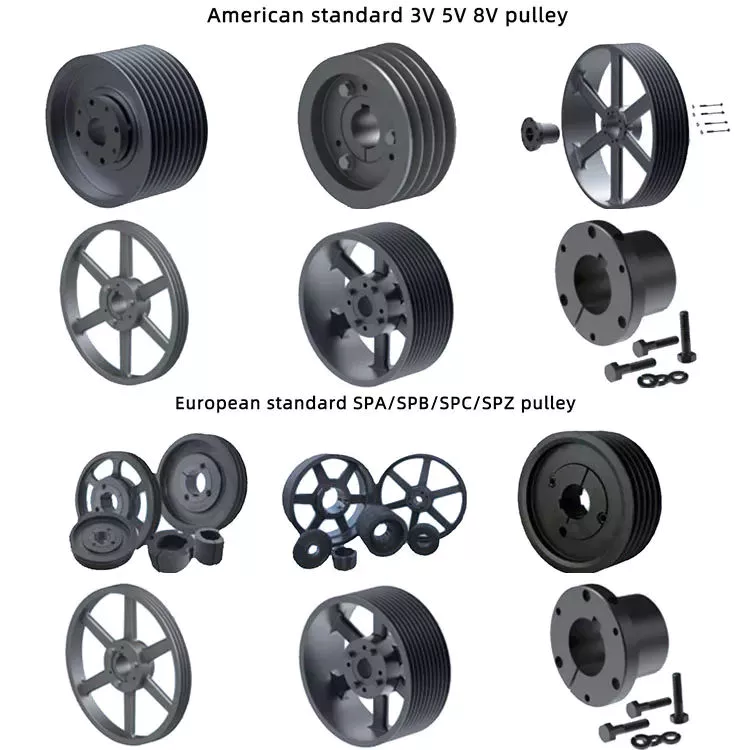
4. Select the Suitable Pulley Size
Once you have the pulley diameter ratio, you can choose a suitable pulley size that fits the motor’s shaft and delivers the desired output speed. Remember that the pulley size affects the motor’s torque; thus, make sure your chosen pulley size meets your torque requirements.
Considerations When Choosing Pulley Size
Several factors should be considered when choosing a pulley size for your electric motor. These include the type of load (constant or variable), the operating conditions, the motor’s efficiency, and the mechanical design of the system. Moreover, safety factors should also be considered to ensure that the motor and pulley can handle unexpected load increases.
Conclusion
Determining the right pulley size for an electric motor may seem complex, but with a solid understanding of the basics and a systematic approach, it can be done effectively. Remember that the right pulley size ensures optimal motor performance, reduces wear and tear, and extends the life of your motor. Therefore, it’s well worth the effort to invest time in getting this right.