How to Create a Pulley System
Understanding how to create a pulley system can be a valuable skill, whether you’re attempting a DIY project at home or looking to enhance your knowledge in physics. This simple machine can significantly ease the process of lifting or moving objects. Let’s break down the process into easy-to-follow steps.
Understanding the Science Behind Pulleys
The first thing to understand when learning how to create a pulley system is the mechanics behind it. A pulley system works on the principle of load distribution and balance. It significantly reduces the effort needed to lift or move heavy objects. The system uses wheels and ropes to function, distributing the weight of the object and making it easier to lift.
Materials Needed
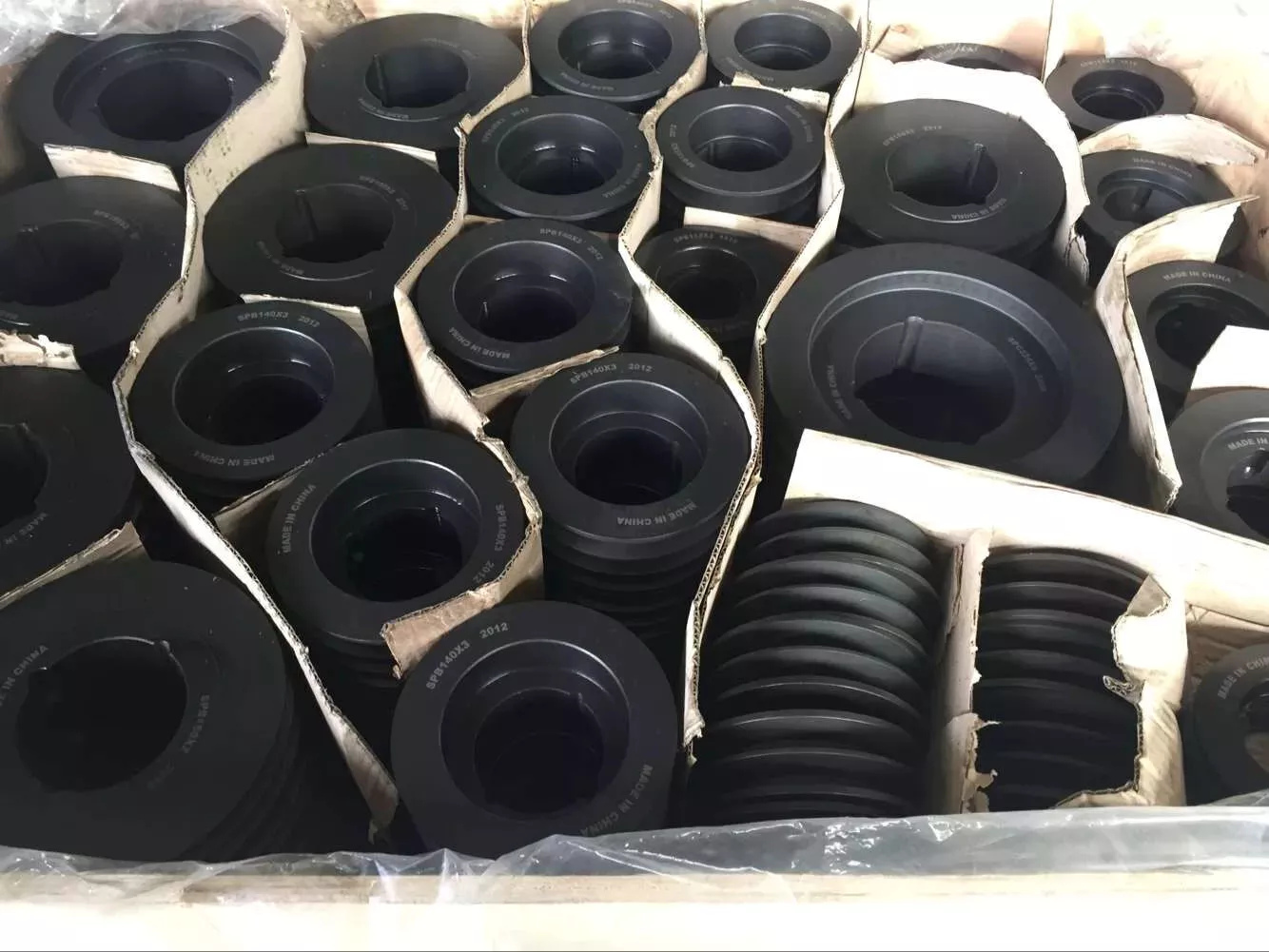
Before you begin the process of creating a pulley system, you must gather the necessary materials. You’ll need a strong, durable rope, one or more pulley wheels, a load or weight to lift, and a secure, stable structure to attach the pulley system to. The number of pulley wheels required depends on the type of pulley system you’re constructing.
Step-by-Step Guide to Creating a Single Pulley System
A single pulley system is the most basic type of pulley. Here’s a step-by-step guide on how to create one:
- Select a Secure Attachment Point: Choose a sturdy structure to attach the pulley system. This could be a beam, a tree branch, or a ceiling hook.
- Attach the Pulley Wheel: Securely fasten the pulley wheel to the selected attachment point. Ensure it’s firmly in place and can easily rotate.
- Thread the Rope: Run the rope through the pulley wheel. One end of the rope should be attached to the load, while the other end is used to apply force (effort).
- Test the System: Test the pulley system by applying a small amount of force to the free end of the rope. The load should lift easily. If it doesn’t, check the installation of the wheel and the rope.
Creating a Compound Pulley System
A compound pulley system, also known as a block and tackle, uses multiple pulleys to reduce the effort needed to lift the load. Here’s how to create this more complex system:
- Attach Two Pulley Wheels: Similar to the single pulley system, first, select a secure attachment point. Then, attach two pulley wheels to this point.
- Thread the Rope: Run the rope through the first pulley wheel, then down to the load. From there, thread it up through the second pulley, creating a loop.
- Attach the Load: Attach the load to the rope at the bottom of the loop. This should be between the two pulleys.
- Test the System: Again, test your pulley system. With a compound pulley system, you should notice a significant reduction in the effort required to lift the load.
Understanding the Benefits of a Pulley System
Creating a pulley system is not just a great science experiment or DIY project. It has practical applications in various fields, from construction to theater. Pulley systems are used to lift heavy loads, like building materials or stage curtains. They’re also used in everyday objects, like blinds or garage doors. Understanding how to create a pulley system can offer a deeper appreciation for these everyday conveniences.
Conclusion
Learning how to create a pulley system is a practical skill that can be applied in various real-world scenarios. Whether you’re looking to simplify a DIY project or expand your understanding of physics, this guide provides a step-by-step approach to creating both single and compound pulley systems. Now, you’re equipped with the know-how to construct your pulley system and appreciate the science behind this simple yet powerful machine.