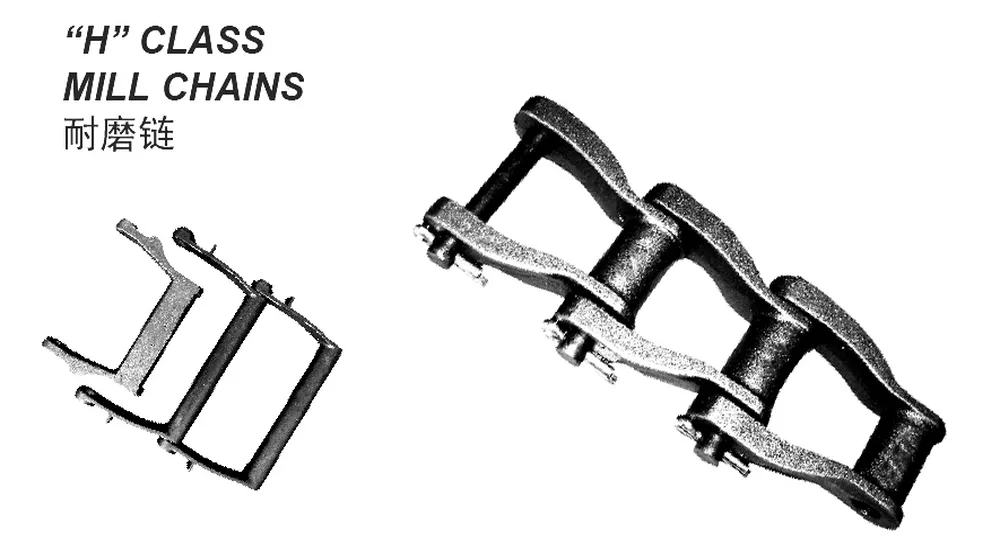
Regular audits of H Class Mill H78 chains are essential to ensure safe and efficient operation of the chains and the equipment they are used on. H78 chains are designed to handle heavy loads and extreme conditions, which means they must be maintained and monitored regularly to avoid any accidents and damages. In this article, we will discuss the basics of chain audits and provide a step-by-step guide on how to conduct regular audits for H78 chains.
Chain Audits Basics
A chain audit involves inspecting the chains, sprockets, and any other components of the chain system. The objective of a chain audit is to identify any signs of wear and tear, damage, or deformation in the chain and its components and to determine the remaining useful life of the chain. Chain audits are essential to prevent equipment failure, unplanned downtime, and accidents, which can lead to high repair costs and loss of production.
How to Conduct Regular Audits for H78 Chains?
Conducting regular audits for H78 chains involves several steps:
Step 1: Chain Inspection
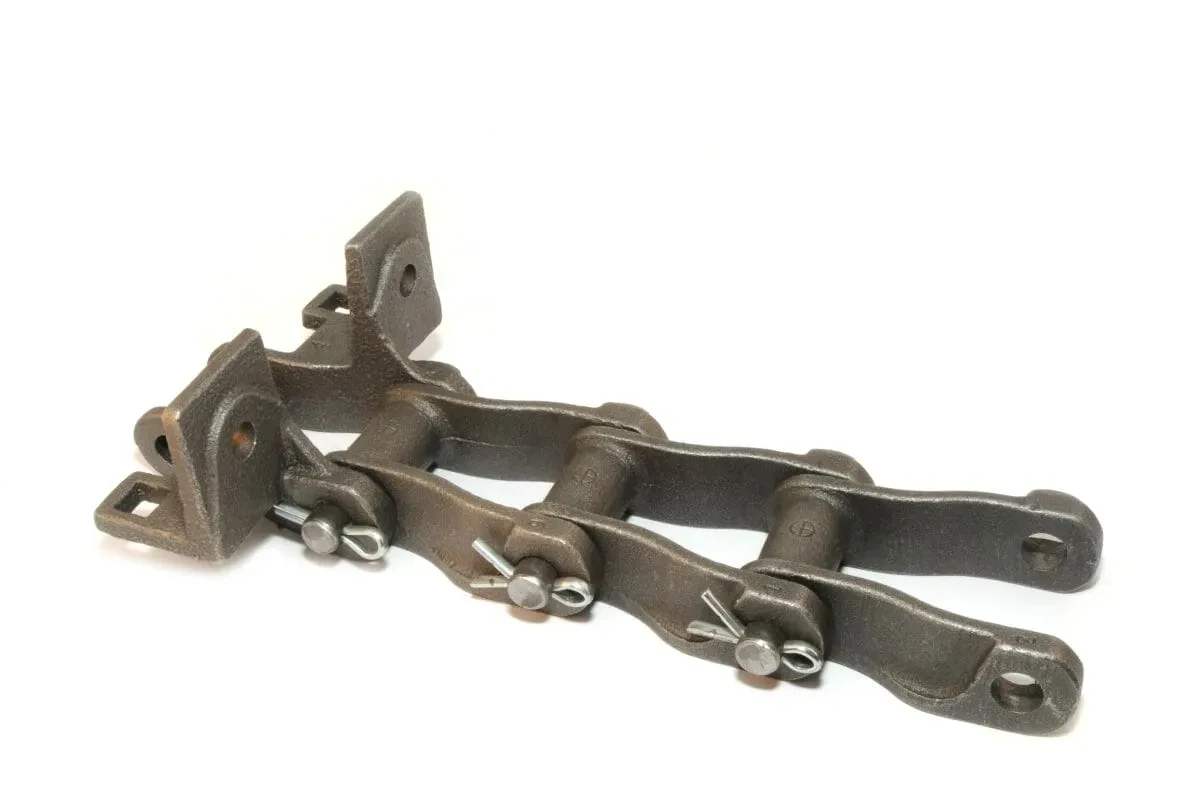
The first step in conducting a chain audit is to inspect the chain for any signs of damage, wear and tear, or elongation. The chain should be checked for cracks, corrosion, and any other visible signs of damage. Also, the chain’s length and pitch should be checked to determine if it has elongated beyond its maximum allowable limit.
Step 2: Sprocket Inspection
The second step in conducting a chain audit is to inspect the sprockets for any signs of damage, wear and tear, or deformation. The sprockets should be checked for wear on the teeth, cracks, and any other visible signs of damage. Additionally, the sprocket’s pitch diameter should be checked to ensure it conforms to the manufacturer’s specifications.
Step 3: Lubrication
The third step in conducting a chain audit is to check the lubrication of the chain. Proper lubrication ensures smooth operation of the chain and reduces wear and tear. The lubrication should be inspected for contamination, quantity, and consistency, and should be replenished if necessary.
Step 4: Tension and Alignment
The fourth step in conducting a chain audit is to check the chain’s tension and alignment. Improper tension and alignment can cause excessive wear and tear on the chain, sprockets, and other components, leading to equipment failure and downtime. The chain’s tension should be checked using a tension gauge, and the alignment should be checked using a laser alignment tool.
Step 5: Record Keeping
The final step in conducting a chain audit is to document the inspection results and any actions taken. The documentation should include the chain’s condition, sprocket’s condition, lubrication status, tension, and alignment, as well as any corrective actions taken. This documentation helps to track the chain’s condition over time and plan for future maintenance activities.
Sprockets for H78 Chains
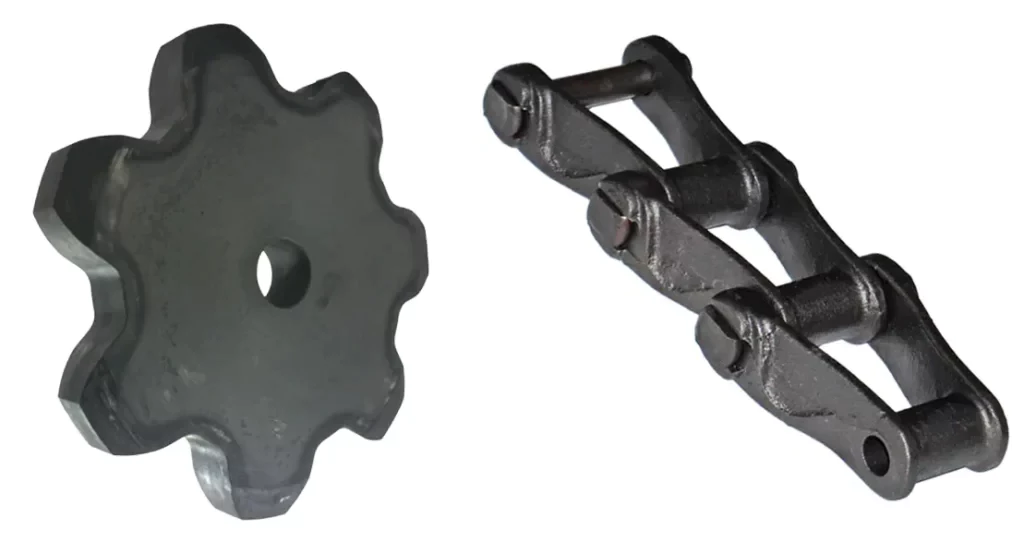
Sprockets are an essential component of the chain system, and they work together with the chain to transfer power and torque from the driver to the driven shaft. Sprockets for H78 chains must be designed to withstand heavy loads and extreme conditions and must be maintained and monitored regularly to ensure safe and efficient operation. Regular audits of sprockets should be performed simultaneously with chain audits to prevent equipment failure and downtime.
Malleable Chains and Company Introduction
Our company is renowned for providing exceptional quality malleable cast iron chains that undergo stringent manufacturing processes, ensuring durability and reliability in diverse industrial applications. Our malleable cast iron construction provides robustness while maintaining flexibility, offering a balance between strength and adaptability. We remain price competitive without compromising on quality.
Our customer-centric approach involves timely delivery, reliable support, and a responsive team ready to assist at every stage. From product inquiries to after-sales service, we prioritize customer satisfaction, fostering long-term partnerships built on trust and reliability. Our malleable casting chains stand out for our quality craftsmanship, competitive pricing, and unwavering commitment to superior service, making them a trusted choice in the industrial chain market.

Explore our malleable chains and contact us to place your order today.
Q&A
Q: How often should H78 chains be audited?
A: H78 chains should be audited at least once every six months or more frequently depending on the operating conditions.
Q: Can H78 chains be used in corrosive environments?
A: Yes, H78 chains can be used in corrosive environments, but they should be inspected more frequently, and appropriate measures such as corrosion-resistant coatings should be applied.
Q: What is the maximum allowable elongation for H78 chains?
A: The maximum allowable elongation for H78 chains is 3% of their original length.