Introduction
A double worm reduction gearbox is a type of gearbox that reduces the speed of the input shaft by using two worm gears. This type of gearbox is commonly used in heavy-duty applications where high torque and low speed are required. However, like any other mechanical component, a double worm reduction gearbox can experience vibration problems that can affect its performance and lifespan. In this article, we will discuss how to conduct a vibration analysis on a double worm reduction gearbox to diagnose and solve vibration problems.
The Importance of Vibration Analysis
Vibration analysis is an essential tool for diagnosing the health of mechanical components, including double worm reduction gearboxes. Vibration problems can be caused by various factors, including misalignment, unbalance, wear, and lubrication issues. These problems can lead to premature failure of the gearbox and result in costly downtime and repairs. By conducting a vibration analysis, you can detect and diagnose vibration problems before they escalate into more severe issues.
Step-by-Step Guide to Conducting Vibration Analysis
Step 1: Prepare the Gearbox
The first step in conducting a vibration analysis is to prepare the gearbox for testing. This involves shutting down the gearbox and removing any debris or contaminants from the exterior. You should also inspect the gearbox for any signs of wear or damage that could affect its performance. Once the gearbox is clean and in good condition, you can proceed to the next step.
Step 2: Install the Vibration Sensor
The next step is to install the vibration sensor on the gearbox. The sensor should be placed in a location that allows it to detect vibrations accurately. Typically, the sensor is placed on the housing of the gearbox near the bearings. You should follow the manufacturer’s instructions for installing the sensor and ensure that it is securely attached to the gearbox.
Step 3: Collect Vibration Data
Once the sensor is installed, you can collect vibration data by running the gearbox and recording the vibration levels. You should collect data at different speeds and loads to capture the gearbox’s full range of operating conditions. It is important to record the data accurately and ensure that the sensor is functioning correctly.
Step 4: Analyze the Vibration Data
The next step is to analyze the vibration data to identify any vibration problems. You can use software tools to analyze the data and generate vibration spectra. Spectra analysis can help identify the frequency and amplitude of any vibration problems and provide insights into the nature of the problem. Once you have identified the problem, you can proceed to the final step.
Step 5: Take Corrective Action
The final step is to take corrective action to address the vibration problem. The corrective action will depend on the nature of the problem and could include realigning the gearbox, balancing the components, replacing worn bearings, or changing the lubrication. It is essential to take corrective action promptly to prevent the problem from worsening and causing further damage to the gearbox.
Electric Motors for Sale
A double worm reduction gearbox is an essential component in many industrial applications, and it works in tandem with an electric motor to perform its function. At our company, we provide both double worm reduction gearboxes and electric motors for sale. Our electric motors are designed to work seamlessly with our gearboxes, providing efficient and reliable performance. Whether you need a single unit or a complete system, we can provide you with the products you need to keep your operations running smoothly.

About Our Company
We are a comprehensive transmission equipment manufacturer that specializes in research and development, manufacturing, and sales of speed reducers. With more than 15 years of experience in the industry, we have the expertise and resources to provide our customers with high-quality products and services. Our products include MRV series worm gear reducer, GV series gear reducer, RT series solar reducer, XV series planetary reducer, BD series harmonic reducer, and various types of non-standard reducers. We serve customers in Europe, America, Africa, Asia, and other regions, and we have earned a reputation for providing the market with products of the highest quality and reliability.
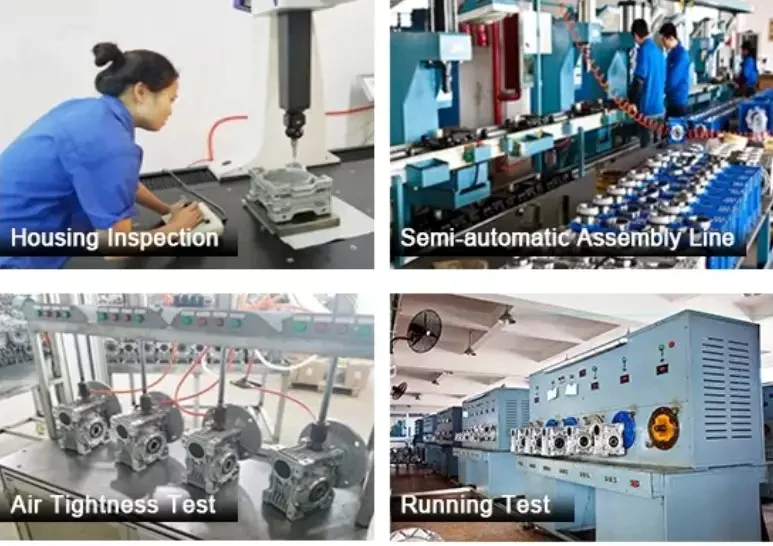
Our mission and vision are to provide our customers with the most innovative and cost-effective transmission solutions and to be a reliable and trustworthy partner. We achieve this by investing in advanced production and testing equipment, recruiting industry professionals and technicians, and using standardized production management methods to ensure consistent quality and performance. We are committed to providing our customers with the best possible products and services and to building long-term relationships with them.
Q&A
Q1: What is a double worm reduction gearbox?
A1: A double worm reduction gearbox is a type of gearbox that reduces the speed of the input shaft by using two worm gears.
Q2: What are some common vibration problems in double worm reduction gearboxes?
A2: Common vibration problems in double worm reduction gearboxes include misalignment, unbalance, wear, and lubrication issues.
Q3: How can vibration analysis help identify gearbox problems?
A3: Vibration analysis can help identify gearbox problems by detecting vibration levels and generating spectra that identify the frequency and amplitude of any vibration problems.
Q4: What is the importance of using an electric motor that is designed to work with a double worm reduction gearbox?
A4: Using an electric motor that is designed to work with a double worm reduction gearbox can ensure efficient and reliable performance and prevent premature failure of the gearbox.
Q5: What is our company’s mission and vision?
A5: Our company’s mission and vision are to provide our customers with the most innovative and cost-effective transmission solutions and to be a reliable and trustworthy partner.