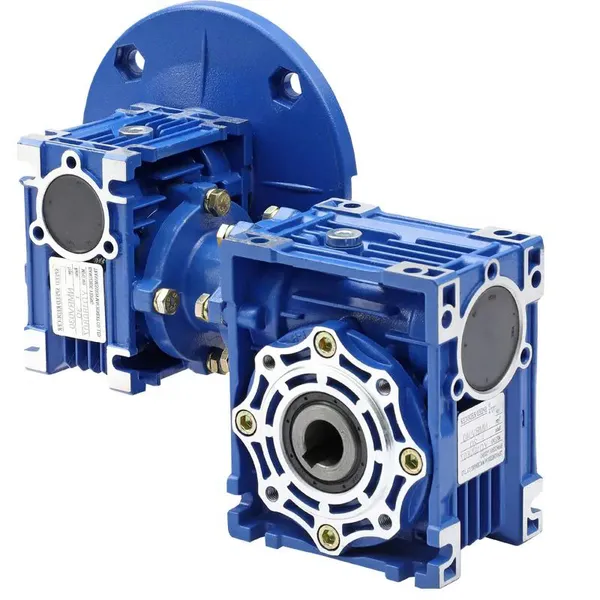
When it comes to selecting a seal for your double worm reduction gearbox, there are numerous factors to consider. The right seal can help prevent oils and lubricants from leaking and extend the lifespan of your gearbox. However, the wrong seal can lead to increased maintenance and repair costs, and even gearbox failure.
Seal Type
The first factor to consider is the type of seal. There are three main types of seals for gearboxes: lip seals, labyrinth seals, and mechanical seals.
Lip Seals
Lip seals are the most common type of seal used in gearboxes. They consist of a flexible lip that prevents oil from escaping and foreign contaminants from entering. Lip seals are easy to install and inexpensive. However, they have a shorter lifespan than other types of seals and are not recommended for use in high-speed or high-temperature applications.
Labyrinth Seals
Labyrinth seals are more advanced than lip seals and consist of a series of grooves that create a labyrinth-like path for oil to pass through. This helps prevent the ingress of foreign contaminants and increases the lifespan of the gearbox. Labyrinth seals are ideal for use in high dust or dirty environments where the gearbox is exposed to harsh conditions.
Mechanical Seals
Mechanical seals are the most advanced type of seal and consist of two flat surfaces that are pressed together. They provide a much better seal than lip or labyrinth seals and are ideal for use in high-speed and high-temperature applications. However, they are more expensive than other types of seals and require more maintenance.
Shaft Diameter
The second factor to consider is the diameter of the gearbox shaft. The seal you select must be the correct size to fit onto the gearbox shaft. If the seal is too small, it will not create a seal and oil will leak. If the seal is too big, it will not fit onto the shaft and may cause damage to the gearbox.
Seal Material
The third factor to consider is the material of the seal. The most common materials used for seals are nitrile rubber, Viton, and silicone. Nitrile rubber is the most common material and is suitable for most applications. Viton is a more expensive material but is ideal for use in high-temperature applications. Silicone is suitable for use in low-temperature applications and is resistant to ozone and UV light.
Installation
The final factor to consider is the installation of the seal. The seal must be installed correctly to create an effective seal. If the seal is installed improperly, it may leak or cause damage to the gearbox. It is important to follow the manufacturer’s instructions when installing the seal.
In conclusion, selecting the right seal for your double worm reduction gearbox is essential to ensure the longevity and efficiency of your gearbox. Consider the type of seal, shaft diameter, seal material, and installation when making your selection.
Electric Motors for Sale
Electric motors and gearboxes are integral components in many industrial applications. The gearbox reduces the speed of the motor and increases torque, while the motor provides the power to drive the gearbox. Choosing the right electric motor for your gearbox is just as important as choosing the right seal.
At our company, we offer a wide range of electric motors for sale that are compatible with our gearboxes. Our motors are highly efficient and provide the power needed to drive our gearboxes. We understand that every application is different, and we can help you select the right motor for your specific needs.

FAQs
1. What is the maximum temperature that your gearbox seals can withstand?
Our gearbox seals can withstand temperatures up to 150¡ãC.
2. Can your lip seals be used in high-speed applications?
While our lip seals are suitable for most applications, they are not recommended for use in high-speed applications.
3. Do you offer installation services for your seals?
No, we do not offer installation services for our seals. It is important to follow the manufacturer’s instructions when installing the seal.
4. Can your mechanical seals be used in low-temperature applications?
Yes, our mechanical seals can be used in low-temperature applications. However, they are not recommended for use in high-temperature applications.
5. What is the warranty on your seals?
We offer a one-year warranty on all of our seals.