Introduction
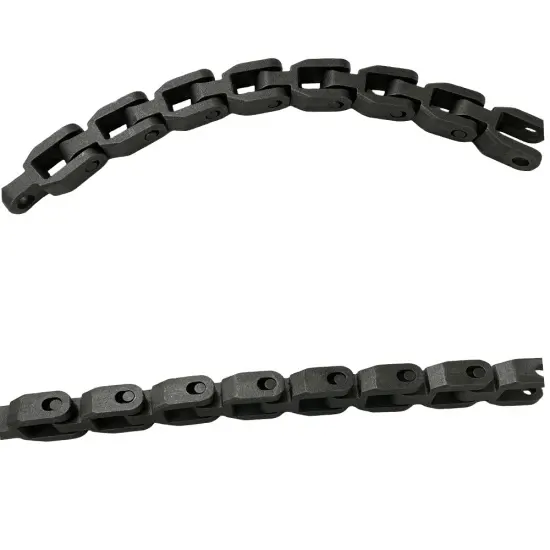
Cast iron chains and sprockets are vital components in many industrial machines and equipment. The right selection of sprockets can significantly impact the overall performance of cast iron chains. It’s crucial for manufacturers and businesses to assess the compatibility of sprockets with cast iron chains to ensure optimal performance, durability, and safety.
Factors Affecting Sprockets Compatibility
- Size and Pitch
- Number of Teeth
- Hub Design
- Material and Hardness
- Lubrication and Maintenance
Size and Pitch
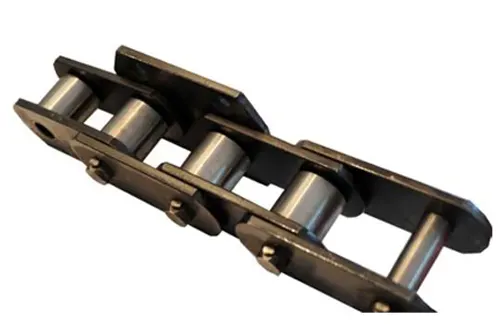
The pitch of the chain is the distance between two pins. It’s essential to select sprockets with the same chain pitch as the cast iron chain. The size of the sprocket should match the size and weight of the load, speed, and horsepower of the machine.
Number of Teeth
The number of teeth on the sprocket determines the speed ratio between the sprocket and the chain. It’s crucial to select a sprocket with the appropriate number of teeth to match the speed requirements of the machine.
Hub Design
The hub of the sprocket provides the connection between the sprocket and the shaft. The hub design should match the shaft diameter and the torque requirements of the machine.
Material and Hardness
The material and hardness of the sprocket should match the cast iron chain‘s material and hardness to prevent wear and tear, corrosion, and premature failure.
Lubrication and Maintenance
Proper lubrication and maintenance of the sprockets and chains can significantly impact their compatibility and performance. Regular maintenance, inspection, and lubrication can improve their lifespan and reduce the risk of failure.
Conclusion
Assessing the compatibility of sprockets with cast iron chains is crucial for optimal performance, safety, and longevity. Manufacturers and businesses should consider the size, pitch, number of teeth, hub design, material and hardness, and lubrication and maintenance when selecting sprockets for cast iron chains. At Ever-power, we offer a wide range of sprockets that are compatible with our malleable cast iron chains.
Sprockets for Cast Iron Chains
At Ever-power, we provide a diverse range of sprockets that are compatible with our malleable cast iron chains. Our sprockets undergo rigorous quality control processes to ensure optimal compatibility, durability, and performance. We offer sprockets in various materials, sizes, and designs to match the specific requirements of our customers.
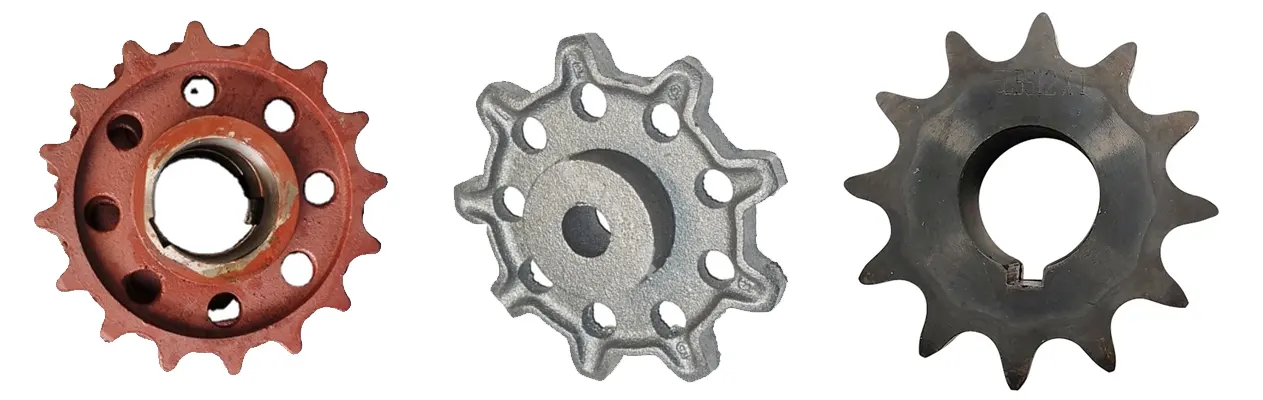
Our malleable cast iron chains are renowned for exceptional quality, durability, and reliability. They are suitable for diverse industrial applications, providing robustness while maintaining flexibility. Our customer-centric approach involves timely delivery, reliable support, and a responsive team ready to assist at every stage.

If you’re looking for a trusted partner for your industrial chain needs, Ever-power is the right choice. Contact us to explore our products and services.
Q&A
Q1. How can I determine the appropriate size of the sprocket for my cast iron chain?
A1. The size of the sprocket depends on the size and weight of the load, speed, and horsepower of the machine. It’s crucial to select a sprocket with the same chain pitch as the cast iron chain and the appropriate number of teeth to match the speed requirements of the machine.
Q2. How often should I lubricate my sprockets and cast iron chains?
A2. Regular lubrication and maintenance can significantly impact the lifespan and performance of sprockets and cast iron chains. It’s recommended to lubricate them every six months or after every 500 hours of operation. However, the frequency may vary depending on the working conditions, load, and environment.
Q3. What are the benefits of using malleable cast iron chains?
A3. Malleable cast iron chains offer exceptional quality, durability, and reliability, making them suitable for diverse industrial applications. Their unique construction provides robustness while maintaining flexibility, offering a balance between strength and adaptability. Moreover, they are price competitive without compromising on quality, making them a prudent choice for businesses seeking both value and performance.
Edited by Zqq.