How to assess gear shaft fatigue strength using finite element analysis?
Introduction
In this blog post, we will explore the methodology of assessing gear shaft fatigue strength using finite element analysis (FEA). FEA is a powerful computational tool that allows engineers to simulate and analyze the behavior of complex mechanical systems, such as gear shafts, under different loading conditions. By understanding how to utilize FEA in the assessment of gear shaft fatigue strength, engineers can make informed design decisions and improve the reliability and durability of their mechanical systems.
1. Definition of Gear Shaft Fatigue Strength
Gear shaft fatigue strength refers to the ability of a gear shaft to withstand cyclic loading without experiencing failure or excessive deformation. It is a critical consideration in the design and analysis of gear systems, as fatigue failure is a common mode of failure for gear shafts in various mechanical applications.
2. Importance of Assessing Gear Shaft Fatigue Strength
Assessing the fatigue strength of gear shafts is crucial to ensure the reliability and longevity of mechanical systems. Fatigue failures can lead to unexpected downtime, costly repairs, and potential safety hazards. By accurately evaluating the fatigue strength of gear shafts, engineers can identify potential weaknesses and make design modifications to enhance the overall performance and durability of the system.
3. Overview of Finite Element Analysis (FEA)
Finite Element Analysis (FEA) is a numerical method used to solve complex engineering problems by dividing a structure or component into smaller, manageable elements. These elements are then subjected to mathematical equations to simulate the mechanical behavior of the system under different loading conditions. FEA allows engineers to predict stress distributions, deformations, and failure modes, providing valuable insights for design optimization.
4. Steps to Assess Gear Shaft Fatigue Strength using FEA
4.1 Mesh Generation
Creating a suitable mesh is crucial for accurate FEA results. The gear shaft geometry is discretized into smaller elements, and the mesh density should be chosen carefully to capture local stress concentrations and potential failure regions effectively.
4.2 Material Properties Assignment
Assigning appropriate material properties is essential for obtaining realistic simulation results. The material properties of the gear shaft, such as elastic modulus and yield strength, must be defined based on the material used in the manufacturing process.
4.3 Boundary Conditions Application
Boundary conditions play a vital role in determining the system’s response to external loads. For assessing gear shaft fatigue strength, realistic loading conditions, such as torque or rotational motion, should be applied to simulate the actual operating conditions.
4.4 Solver Settings and Analysis
Specify the solver settings, including the type of analysis (static, dynamic, or fatigue), solution methods, and convergence criteria. After running the analysis, the results can be evaluated to determine the gear shaft’s fatigue strength.
4.5 Fatigue Life Assessment
Using the stress distribution obtained from FEA, fatigue life assessment methods like the stress-life or strain-life approach can be employed to predict the gear shaft’s fatigue life. This step provides valuable information about the gear shaft’s expected reliability and remaining useful life.
4.6 Design Optimization
Based on the FEA results and fatigue life assessment, engineers can identify critical areas of the gear shaft that may require design modifications. These modifications can include changes in geometry, material selection, or surface treatments to enhance the fatigue strength and overall performance of the gear shaft.
5. Conclusion
In conclusion, finite element analysis (FEA) is a powerful tool for assessing gear shaft fatigue strength. By accurately modeling the gear shaft and applying realistic loading conditions, engineers can obtain valuable insights into the system’s behavior and predict its fatigue life. The information gained from FEA can guide design modifications to improve the gear shaft’s reliability and durability, ultimately leading to more efficient and robust mechanical systems.
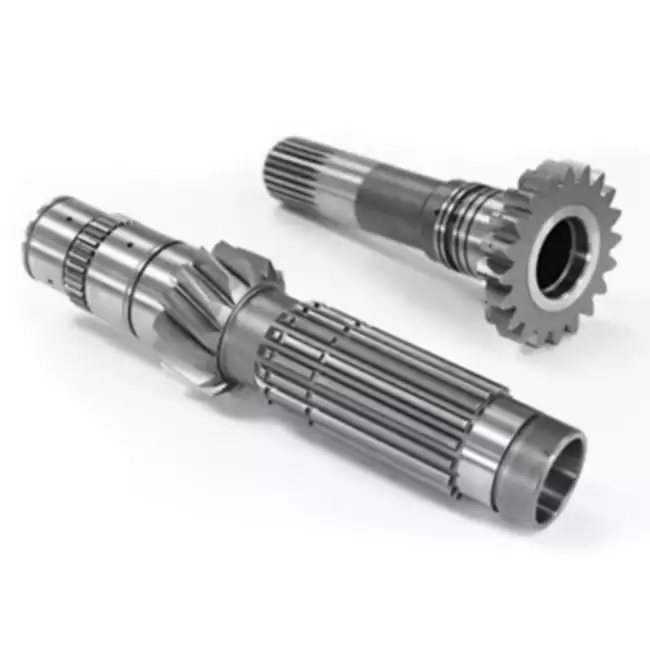
Our company specializes in the production and sale of various types of gears and gear shafts. With years of experience and expertise in the field, we offer a range of advantages that set us apart from the competition:
- High-quality materials: We use only the finest materials for our gears and gear shafts, ensuring durability and strength.
- Advanced manufacturing techniques: Our state-of-the-art machinery and cutting-edge technology enable us to produce gear shafts with precision and accuracy.
- Expertise in finite element analysis: Our team of skilled engineers utilizes finite element analysis to assess gear shaft fatigue strength, ensuring optimal performance and reliability.
- Customization options: We understand that different applications require specific gear shaft designs. We offer customizable solutions to meet the unique needs of our customers.
- Reliable customer support: Our dedicated customer support team is always available to assist our clients with any inquiries or concerns they may have.
The Importance of Gear Shafts in Mechanical Power Transmission Systems
Gear shafts play a crucial role in mechanical power transmission systems. They are responsible for transmitting torque and rotational motion between gears, ensuring smooth and efficient operation. Without reliable gear shafts, the entire system would be compromised, leading to reduced performance and potential equipment failure.
Materials and Selection Criteria for Gear Shafts
When it comes to gear shafts, selecting the appropriate materials is vital. Factors such as strength, durability, and resistance to fatigue must be considered. Additionally, factors such as cost, availability, and manufacturability also play a role in the selection process. Our team of experts carefully assesses these factors to ensure that our gear shafts meet the highest standards in terms of material selection.
Design Considerations for Gear Shafts
Alongside material selection, design considerations are crucial in the production of gear shafts. Factors such as load capacity, tooth profile, and shaft diameter need to be carefully evaluated to meet the specific requirements of each application. Our engineers employ their expertise to design gear shafts that optimize performance and longevity.
Gear Shaft Manufacturing Process
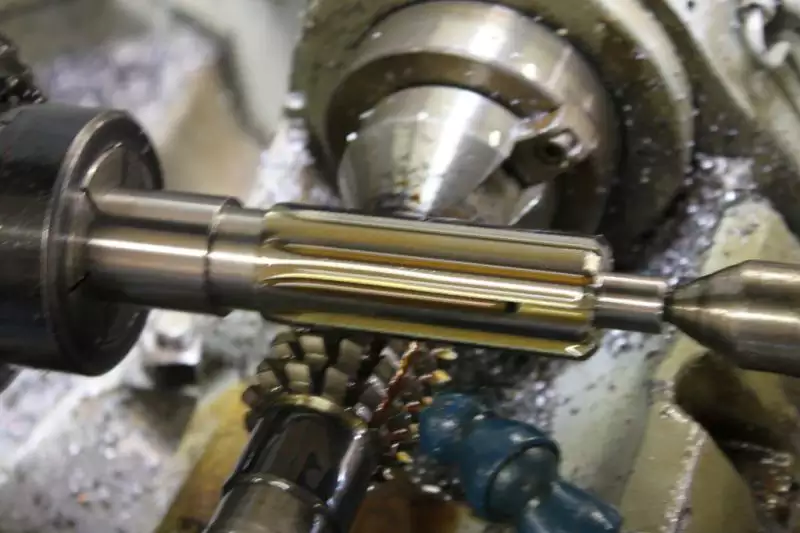
Our gear shafts undergo a meticulous manufacturing process to guarantee quality and precision. This process includes cutting operations such as turning, milling, and grinding. Heat treatment processes such as quenching, tempering, and carburizing are also employed to enhance the strength and wear resistance of the gear shafts. Additionally, special processes such as gear rolling and gear shaving are utilized to achieve the desired gear tooth profile.
Application Cases and Failure Analysis of Gear Shafts
Gear shafts find extensive applications in various industries, including automotive, aerospace, and industrial machinery. By analyzing real-world application cases and conducting thorough failure analysis, we can identify potential issues and implement preventive measures to ensure the reliable performance of gear shafts in diverse operating conditions.
With our exceptional expertise, commitment to quality, and customer-centric approach, we invite you to partner with us for all your gear shaft requirements. Contact us today to discuss how we can collaborate and deliver the best solutions for your business.
Author: Miya