Coal mining is a hazardous industry that requires a lot of safety measures. Conveyor chains are one of the most crucial components in the coal mining process. They are used to transport coal from one place to another. However, conveyor chains are prone to failure, which can lead to accidents and injuries. Therefore, it is essential to analyze the failure modes of conveyor chains in coal mining to prevent accidents. In this article, we will discuss how to analyze failure modes in coal mining conveyor chains.
What are Conveyor Chains?
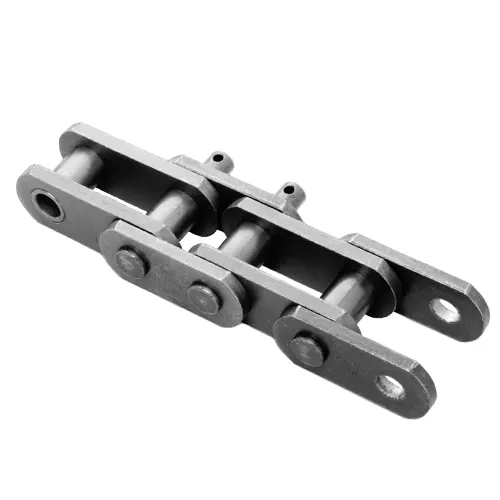
Conveyor chains are a series of interconnected links used to transport materials from one place to another. They are commonly used in industries such as mining, agriculture, and automotive. Conveyor chains are made up of different materials, such as steel, plastic, and nylon. However, for coal mining, the most commonly used material is steel, due to its durability and strength.
What are the Failure Modes of Conveyor Chains?
Conveyor chains are prone to failure due to several factors, which include:
Wear and Tear
Conveyor chains are subjected to constant wear and tear due to the abrasive nature of coal. The continued exposure to coal dust and other impurities can cause the chain links to wear down over time, leading to failure.
Overloading
Overloading of conveyor chains can cause them to fail. When the chain is overloaded, it has to work harder to transport coal, which can lead to premature failure of the chain links.
Environmental Factors
Environmental factors such as temperature, humidity, and exposure to chemicals can also contribute to the failure of conveyor chains. High temperatures can cause the chain to expand, while exposure to chemicals can cause corrosion, leading to failure.
How to Analyze Failure Modes in Conveyor Chains?
There are several methods that can be used to analyze the failure modes of conveyor chains. These include:
Visual Inspection
Visual inspection involves physically checking the chain for signs of wear and tear. It is a simple and effective method for detecting defects such as cracks, corrosion, and wear. Visual inspection should be carried out regularly to detect problems early before they escalate.
Non-Destructive Testing (NDT)
NDT involves the use of various techniques to detect defects in the chain without damaging it. Techniques such as ultrasonic testing and magnetic particle inspection are commonly used in NDT. NDT is an effective method for detecting internal defects such as cracks and corrosion.
Failure Analysis
Failure analysis involves the use of various techniques to determine the root cause of the failure. It involves a detailed examination of the failed chain to determine what caused it to fail. This information can be used to prevent future failures.
Preventive Maintenance of Conveyor Chains
Preventive maintenance is essential for ensuring the longevity of conveyor chains. Here are some tips for maintaining conveyor chains:
Proper Lubrication
Proper lubrication is essential for reducing wear and tear on the chain links. Chains should be lubricated regularly to prevent friction between the links.
Regular Inspection
Regular inspection of the chain links is essential for detecting defects early. Visual inspection should be carried out regularly, and NDT should be done periodically to detect internal defects.
Proper Tensioning
Proper tensioning of the chain is essential for preventing overloading. Overloading can cause premature failure of the chain links.
Environmental Factors
Environmental factors such as temperature and humidity should be controlled to prevent corrosion and expansion of the chain links.
Replacement of Worn-Out Parts
Worn-out parts should be replaced promptly to prevent further damage to the chain. Replacement parts should be of high quality to ensure the longevity of the chain.
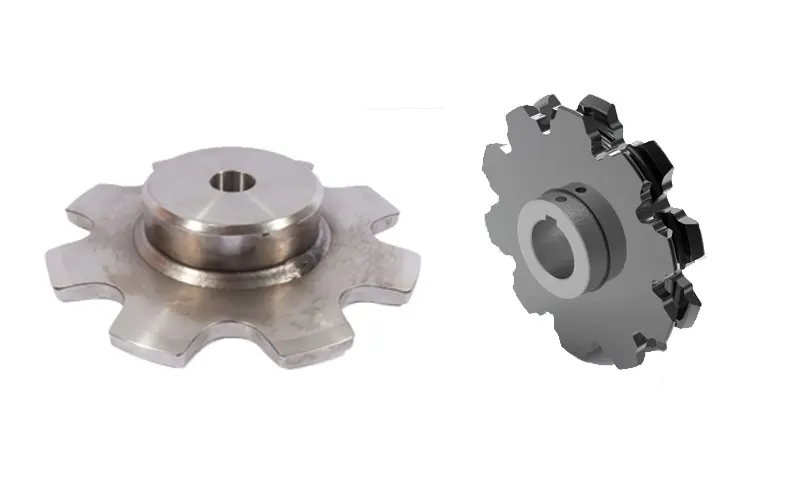
Sprockets for Mining Chains
Sprockets are an essential component of conveyor chains. They are used to transfer power from the motor to the chain, which helps to move the coal. Sprockets and conveyor chains work together to ensure the smooth and efficient movement of coal. Sprockets are designed to fit specific chain sizes, and the correct matching of sprockets and chains is crucial for preventing chain failure. The use of high-quality sprockets can also help to prolong the life of the conveyor chain.
About Ever-power
Ever-power is a leading manufacturer of conveyor chains for the mining industry. Our mining chains are made of high-quality materials and are designed to withstand the harsh conditions of coal mining. We have a state-of-the-art manufacturing facility that produces high-quality chains that meet or exceed industry standards. Our mining chains are used by some of the largest mining companies in the world and are known for their durability and reliability. Our commitment to providing the highest quality products and services has earned us a reputation as one of the best in the industry. We encourage our customers to explore our products and contact us for their mining chain needs.
Our Advantages
- High-quality materials
- State-of-the-art manufacturing facility
- Expertise in mining chain production
- Competitive pricing
- Superior customer service
If you are looking for a reliable supplier of mining chains, look no further than Ever-power. Contact us today to learn more about our products and services.

Q&A
Q: How often should conveyor chains be inspected?
A: Conveyor chains should be inspected regularly, preferably daily, to detect defects early.
Q: What is the most common material used for conveyor chains in coal mining?
A: The most commonly used material for conveyor chains in coal mining is steel due to its durability and strength.
Q: What is the importance of sprockets in conveyor chains?
A: Sprockets are essential in transferring power from the motor to the chain, which helps to move the coal. The correct matching of sprockets and chains is crucial for preventing chain failure.
Edited by: Zqq.