How Often Should You Replace the Idler Pulley?
Understanding the importance of the idler pulley in your vehicle and the frequency at which it should be replaced is crucial for maintaining your car’s optimal performance. This small but significant component plays a key role in your vehicle’s operation, specifically in the serpentine belt system.
Understanding the Role of the Idler Pulley
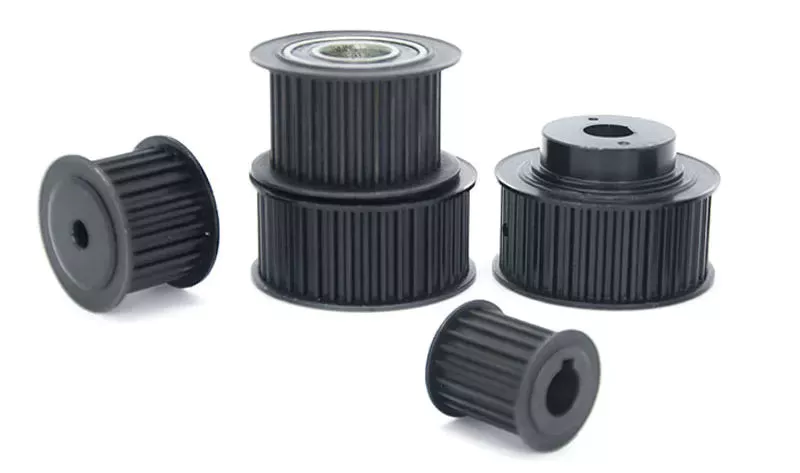
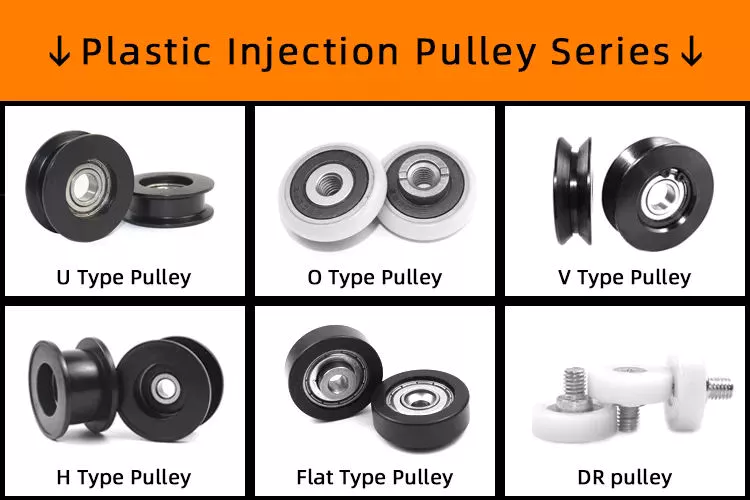
The idler pulley, a wheel that spins on a bearing, is an integral part of your vehicle’s engine. Its primary function is to guide and maintain the tension of the drive belts. Without it, these belts, which control vital engine components like the alternator, water pump, and AC compressor, could slip or come off, causing significant vehicle damage.
Signs Your Idler Pulley May Need Replacement
Regular maintenance and checks are necessary to keep your idler pulley in good shape. Certain signs indicate that the idler pulley may need to be replaced. Unusual noises, like squealing or grinding coming from the engine, could imply that the idler pulley is worn out. This wear and tear could result in the pulley failing to maintain proper tension on the drive belts, causing them to slip or come off entirely.
Another sign is visible wear or damage to the pulley itself. This could include cracks, warping, or pitting. If any of these conditions are present, it is highly recommended to replace the idler pulley immediately to prevent further damage to your engine.
Determining the Frequency of Idler Pulley Replacement
There isn’t a one-size-fits-all answer to how often you should replace your idler pulley. The frequency of replacement depends on several factors such as the make and model of your vehicle, driving conditions, and the quality of the pulley itself.
However, a general rule of thumb is to consider replacing the idler pulley every 50,000 to 100,000 miles. This range is a guideline and not a strict rule. It’s always best to consult with a professional mechanic or your vehicle’s manufacturer for more precise information.
How to Replace the Idler Pulley
Replacing the idler pulley can be a complex task, especially for inexperienced individuals. It involves removing the serpentine belt, unbolting the old pulley, installing the new one, and then reattaching the serpentine belt. While this might seem straightforward, it requires a certain level of mechanical knowledge and expertise. Therefore, it’s always recommended to seek the assistance of a professional mechanic.
Conclusion
The idler pulley is a small but vital component in your vehicle’s engine. Regular checks and maintenance can extend its lifespan and reduce the need for frequent replacements. However, should it show signs of wear or damage, immediate replacement is necessary. While the general guideline is to replace the idler pulley every 50,000 to 100,000 miles, it’s always best to consult with a professional mechanic or your vehicle’s manufacturer for the most accurate advice.