Introduction
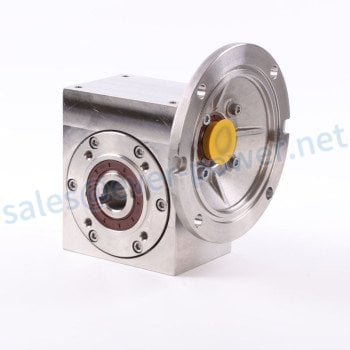
Stainless steel worm gearmotors are a popular choice for various industries due to their ability to handle high loads and operate in harsh environments. However, one of the critical factors to consider when selecting a worm gearmotor is its torque rating. In this article, we will explore how torque rating affects the performance of a stainless steel worm gearmotor.
What is Torque Rating?
Torque rating is the maximum amount of torque that the gearmotor can handle without damaging its internal components. It is a crucial factor to consider when selecting a worm gearmotor as it determines the maximum loads that the gearmotor can handle. The torque rating is typically specified in Newton-meters (Nm) or pound-feet (lb-ft).
How Torque Rating Affects Gearmotor Performance
The torque rating of a worm gearmotor influences its performance in various ways. Here are some of the key ways:
Load Capacity
The torque rating determines the maximum loads that the gearmotor can handle. If the load exceeds the torque rating, the gearmotor may fail or experience premature wear and tear. Therefore, it is crucial to select a gearmotor with a torque rating that can handle the expected load.
Speed
The torque rating also influences the speed of the gearmotor. As the load increases, the speed of the gearmotor decreases. Therefore, selecting a gearmotor with a higher torque rating can help maintain a consistent speed even when handling heavy loads.
Efficiency
The torque rating also affects the efficiency of the gearmotor. An undersized gearmotor with a low torque rating may struggle to handle the load, leading to increased energy consumption and reduced efficiency. On the other hand, selecting a gearmotor with an adequate torque rating can help improve efficiency and reduce energy consumption.
Factors to Consider When Selecting a Gearmotor
When selecting a stainless steel worm gearmotor, it is crucial to consider various factors, including:
Application
The application of the gearmotor determines the required torque rating. For heavy-duty applications, a gearmotor with a higher torque rating is required.
Operating Environment
The operating environment also affects the performance of the gearmotor. For example, if the gearmotor will be exposed to harsh chemicals or corrosive substances, a stainless steel gearmotor is required.
Mounting Type
The mounting type of the gearmotor also affects its performance. A flange-mounted gearmotor is more suitable for heavy loads, while a foot-mounted gearmotor is ideal for light loads.
Motor Type
The motor type also influences the performance of the gearmotor. For example, a gearmotor with a DC motor is suitable for applications that require precise speed control.
Overall, when selecting a stainless steel worm gearmotor, it is crucial to consider the torque rating and other factors to ensure optimal performance and longevity of the gearmotor.
Stainless Steel Electric Motors for Sale
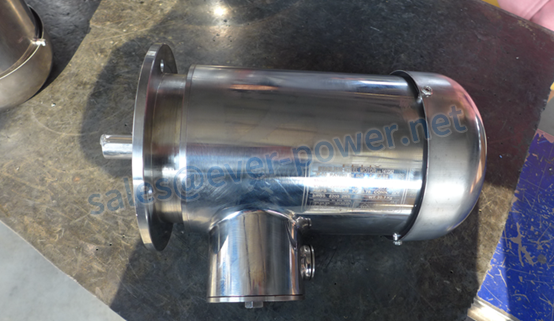
Stainless steel worm gearmotors are often paired with electric motors to provide reliable and efficient power transmission. At Ever-power, we offer a wide range of stainless steel electric motors that are designed to work seamlessly with our worm gearmotors.
Our stainless steel electric motors are manufactured using high-quality materials and advanced technologies to ensure optimal performance and longevity. They are also designed to operate in harsh environments, making them ideal for various industries.
When paired with our stainless steel worm gearmotors, our electric motors provide the perfect combination of power and reliability, ensuring efficient operation and minimal downtime.
About Ever-power
Ever-power is a leading manufacturer of transmission equipment, including stainless steel worm gear reducers. With over 15 years of experience in the industry, we have built a reputation for providing high-quality, reliable, and efficient gearmotors to customers worldwide.
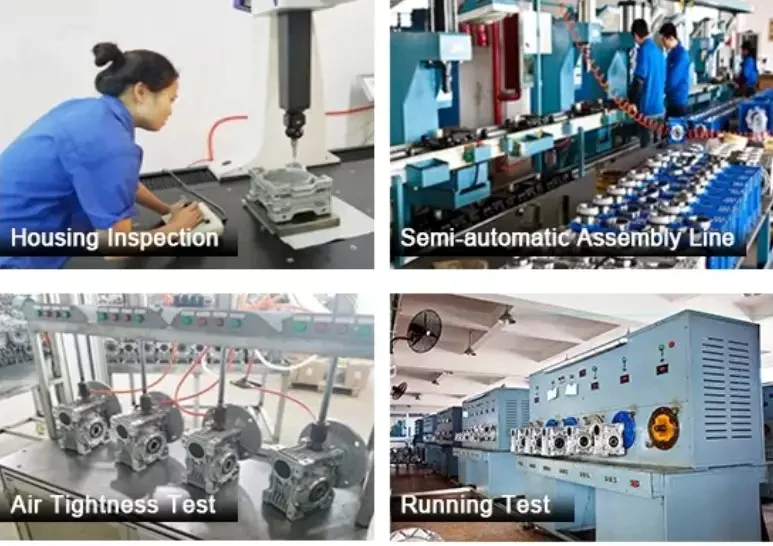
Our state-of-the-art manufacturing facilities and advanced technologies allow us to produce a wide range of gearmotors that meet the diverse needs of various industries. We also have a team of experienced professionals and technicians who are committed to providing exceptional customer service and support.
We take pride in our ability to offer competitive pricing without compromising on quality. Our goal is to help our customers achieve their operational goals by providing them with the best transmission solutions.
Q&A:
Q: What is the difference between a worm gearmotor and a helical gearmotor?
A: A worm gearmotor has a single-threaded worm gear that meshes with a toothed wheel, while a helical gearmotor has helical gears that mesh together. Worm gearmotors are more compact and offer higher reduction ratios, while helical gearmotors are more efficient and offer smoother operation.
Q: How do I know if a gearmotor is suitable for my application?
A: The suitability of a gearmotor depends on various factors, including the torque rating, speed, operating environment, mounting type, and motor type. It is crucial to consult with an expert to determine the best gearmotor for your specific application.
Q: Can I use a stainless steel gearmotor in a corrosive environment?
A: Yes, stainless steel gearmotors are designed to operate in harsh environments, including corrosive ones. They are resistant to rust and corrosion, making them ideal for various industries.
Edited by: Zqq.