How Does the Weight of Cast Iron Chains Affect Their Performance?
Cast iron chains are widely used in various industrial applications due to their strength and durability. However, the weight of these chains plays a crucial role in determining their overall performance. In this article, we will explore the impact of weight on the performance of cast iron chains, providing insights into their design, functionality, and practical considerations.
The Significance of Weight in Cast Iron Chains
Weight is a fundamental factor that affects the performance of cast iron chains in multiple ways. Let’s delve into the key aspects:
1. Load Capacity and Strength
The weight of a cast iron chain directly correlates with its load capacity and strength. Heavier chains are capable of withstanding higher loads and forces, making them suitable for heavy-duty applications. The increased weight ensures the chain’s ability to resist bending, stretching, and other stresses, ensuring reliable performance in demanding environments.
2. Flexibility and Maneuverability
While weight contributes to strength, it also affects the chain’s flexibility and maneuverability. Lighter chains offer greater flexibility, allowing for smoother operation and easier installation. They are ideal for applications that involve intricate movements or require the chain to navigate through tight spaces. On the other hand, heavier chains may be less flexible but provide enhanced stability, making them suitable for applications that prioritize strength and rigidity.
3. Wear and Fatigue Resistance
The weight of cast iron chains can influence their wear and fatigue resistance. Heavier chains tend to distribute the load more evenly, reducing the stress concentration on individual links. This even distribution enhances the chain’s ability to withstand wear, fatigue, and potential failure. Additionally, the weight can affect the chain’s resistance to external factors such as vibrations, impacts, and harsh operating conditions.
Considerations in Weight Selection
When choosing the weight of cast iron chains, it is essential to consider several factors:
1. Application Requirements
Understanding the specific requirements of your application is crucial in determining the appropriate weight of the cast iron chain. Consider factors such as load capacity, operating conditions, desired lifespan, and any industry-specific regulations or standards. By aligning the weight with your application’s needs, you can ensure optimal performance and longevity.
2. Operational Efficiency
The weight of the chain can affect the overall efficiency of the system. It is important to strike a balance between chain weight and the power required to operate the machinery or equipment. Choosing a chain that is too heavy may result in increased energy consumption and decreased efficiency, while a chain that is too light may compromise performance and reliability.
3. Maintenance and Safety
The weight of the chain can also impact maintenance requirements and safety considerations. Heavier chains may require more frequent lubrication and inspection to prevent wear and potential failures. Additionally, consider the handling and installation procedures, as heavier chains may pose challenges in terms of safety and manpower requirements.
Sprockets for Cast Iron Chains
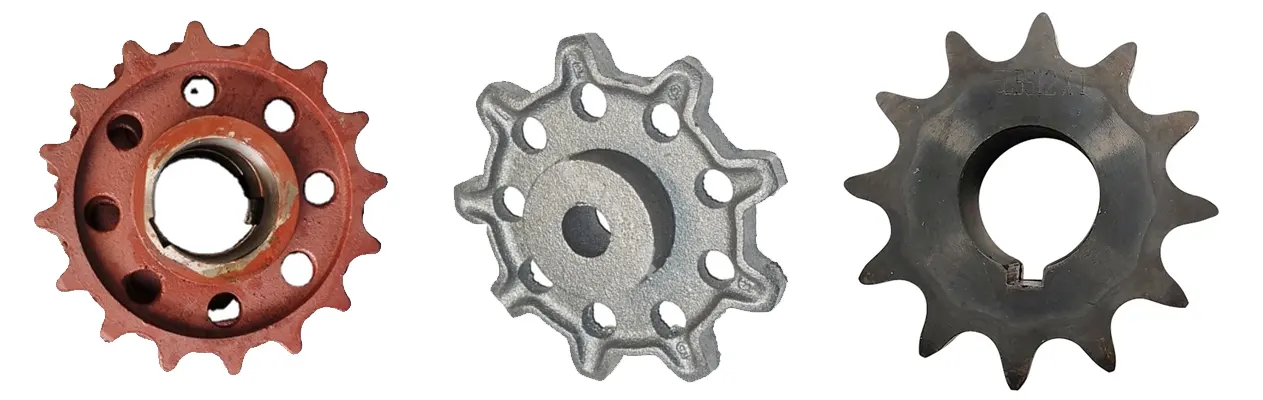
Sprockets play a vital role in the performance of cast iron chains. These toothed wheels engage and drive the chain, converting rotary motion into linear motion. The relationship between the chain and sprocket is crucial for smooth and efficient operation. At Ever-power, we offer a wide range of high-quality sprockets designed specifically for cast iron chains. Our sprockets are meticulously engineered to ensure precise engagement, reduced wear, and optimal power transmission.
About Ever-power

Ever-power is renowned for providing exceptional quality malleable cast iron chains that excel in diverse industrial applications. Our malleable cast iron chains undergo stringent manufacturing processes, guaranteeing durability and reliability. With a perfect balance between strength and adaptability, our chains are designed to withstand demanding conditions while offering flexibility for complex operations.
As a leading provider in the industry, we prioritize customer satisfaction and offer competitive pricing without compromising on quality. Our malleable casting chains have gained recognition in Europe and America, catering to a wide range of esteemed clients. We pride ourselves on delivering superior service, timely delivery, reliable support, and a responsive team dedicated to ensuring customer success.
At Ever-power, we encourage you to explore our range of cast iron chains for your industrial needs. Contact us today to experience the exceptional performance and reliability our chains offer.
Q&A
1. How does the weight of cast iron chains affect their wear resistance?
The weight of cast iron chains can impact their wear resistance by distributing the load more evenly, reducing stress concentration on individual links. This even distribution helps minimize wear and extends the chain’s lifespan.
2. Are lighter cast iron chains more prone to stretching?
Lighter cast iron chains are generally less prone to stretching due to their inherent flexibility and ability to distribute forces more evenly. However, it is essential to choose the appropriate weight based on the specific application and load requirements to ensure optimal performance.
3. How do sprockets contribute to the overall performance of cast iron chains?
Sprockets are crucial components that ensure precise engagement and drive the cast iron chains. They facilitate smooth and efficient power transmission, reducing wear on the chain and ensuring reliable operation.
Edited by Zqq.