How does spline shaft hardness affect performance?
Spline shaft hardness plays a crucial role in determining the overall performance of a mechanical system. In this article, we will explore the various ways in which spline shaft hardness affects the performance of a machine or equipment, and the importance of selecting the right hardness for optimal functionality.
1. Understanding Spline Shafts
Before delving into the impact of hardness, it is essential to have a good understanding of what spline shafts are. Spline shafts are mechanical components with a series of teeth or ridges that provide a connection between two rotating objects, such as gears or pulleys. These teeth ensure torque transmission and rotational stability.
2. The Significance of Hardness
Hardness is a measure of a material’s resistance to deformation, particularly when subjected to external forces. In the context of spline shafts, hardness is a critical factor in determining their durability, strength, and overall performance.
2.1 Durability and Wear Resistance
The hardness of a spline shaft directly affects its ability to resist wear and tear. A harder shaft surface is generally more resistant to abrasion and can withstand prolonged use without significant deterioration. This, in turn, extends the lifespan of the shaft and reduces the need for frequent replacements or repairs.
2.2 Strength and Torque Transmission
The hardness of a spline shaft also impacts its strength and ability to transmit torque effectively. A harder shaft can handle higher torque loads without undergoing plastic deformation or failure. It ensures reliable power transmission, reducing the risk of slippage or damage to the connected components.
3. Choosing the Right Hardness
Selecting the appropriate hardness for a spline shaft depends on several factors, including the application, operating conditions, and material compatibility. It is essential to consult with experts and consider the specific requirements of the system to make an informed decision.
3.1 Application-specific Considerations
Different applications may demand varying levels of hardness. For example, in heavy machinery or industrial equipment operating under high loads, a harder spline shaft is generally preferred to ensure maximum strength and durability. On the other hand, in certain precision instruments, a slightly lower hardness may be suitable to mitigate the risk of excessive stress concentration.
3.2 Environmental Factors
Environmental conditions, such as temperature, humidity, and exposure to corrosive substances, must be considered while determining the appropriate hardness of a spline shaft. In harsh environments, where corrosion or erosion is a concern, selecting a harder shaft material with improved resistance to these factors is crucial.
4. Conclusion
In summary, spline shaft hardness significantly affects the performance and longevity of mechanical systems. The right hardness ensures durability, wear resistance, and efficient torque transmission. By carefully considering the specific application and environmental factors, engineers and designers can select the optimal hardness for spline shafts, thereby maximizing the overall performance and reliability of the equipment.

Our company specializes in the production and sale of various types of gears and spline shafts. We take pride in our exceptional products and services, which set us apart from the competition. Here are five key advantages of choosing our company:
- 1. Superior Quality: We use the highest quality materials and state-of-the-art manufacturing processes to ensure that our gears and spline shafts meet the highest industry standards.
- 2. Customization Options: We understand that every application is unique, which is why we offer a wide range of customization options to meet our customers’ specific requirements.
- 3. Reliable Performance: Our gears and spline shafts are designed and engineered to deliver reliable performance, even in the most demanding conditions.
- 4. Competitive Pricing: Despite our superior quality and customization options, we offer competitive pricing to provide our customers with excellent value for their investment.
- 5. Exceptional Customer Service: Our team of experts is dedicated to providing exceptional customer service, from the initial inquiry to after-sales support.
Spline Shaft Working Principles and Functions
Spline shafts are essential components in various mechanical systems. They transmit torque and rotation between two or more shafts while allowing for axial movement. The splines on the shaft provide a secure and precise connection, ensuring efficient power transmission.
Spline Shaft Design and Selection Guide
When it comes to designing and selecting spline shafts, several factors should be considered. These include torque requirements, shaft diameter and length, spline type, material selection, and tolerance specifications. By carefully evaluating these factors, engineers can ensure optimal performance and longevity of the spline shafts in their applications.
Spline Shaft Manufacturing and Processing Techniques
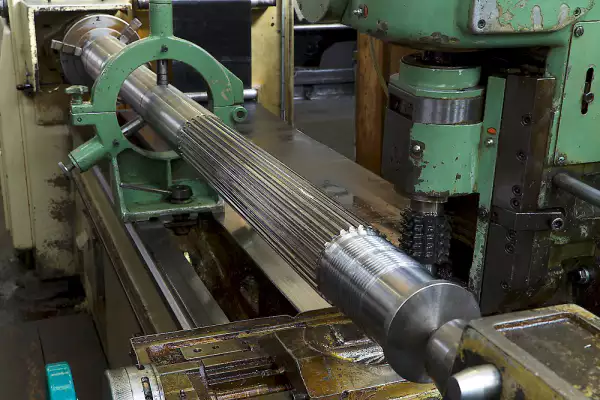
The manufacturing of spline shafts involves precision machining techniques. The shafts are typically manufactured using CNC (Computer Numerical Control) machines to ensure accuracy and consistency. Various processes, such as turning, milling, and grinding, are employed to create the desired spline profiles on the shafts.
Spline Shaft Applications and Industry Practices
Spline shafts find extensive applications in industries such as automotive, aerospace, marine, and machinery. They are commonly used in power transmission systems, steering mechanisms, gearboxes, and other applications that require torque transmission along with axial movement.
Author: Miya