How does shot peening contribute to improving the fatigue resistance of hypoid gears?
Introduction
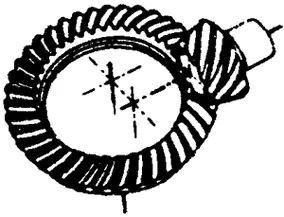
Hypoid gears are a crucial component in various mechanical systems, including automotive drivetrains and industrial machinery. They are subjected to high loads and operate under severe conditions, making fatigue resistance a critical factor for their longevity and reliability. Shot peening is a surface treatment technique that has been widely adopted to enhance the fatigue resistance of hypoid gears. This article explores the various aspects of how shot peening contributes to improving the fatigue resistance of hypoid gears.
1. The Basics of Shot Peening
Shot peening is a mechanical surface treatment process that involves bombarding the surface of a material, in this case, hypoid gears, with small spherical pellets called shots. These shots are accelerated to high velocities and impact the gear’s surface, creating plastic deformation and inducing compressive residual stresses.
1.1 Shot Peening Process
The shot peening process consists of several key steps:
- 1. Surface Preparation: The gear surface is thoroughly cleaned and prepared to remove any contaminants or oxides that may hinder the shot peening process.
- 2. Shot Selection: The appropriate shot material, size, and shape are selected based on the gear’s material properties and desired surface coverage.
- 3. Shot Peening Equipment: Specialized shot peening machines are used to accelerate the shots and direct them towards the gear’s surface.
- 4. Shot Peening Parameters: The shot peening process parameters, such as shot velocity, coverage, and intensity, are carefully controlled to achieve the desired effect.
- 5. Post-Peening Treatment: After shot peening, the gears may undergo additional processes, such as cleaning and heat treatment, to further enhance their fatigue resistance.
2. Enhancing Fatigue Resistance
2.1 Compressive Residual Stresses
Shot peening introduces compressive residual stresses into the surface layer of the hypoid gears. These compressive stresses oppose the tensile stresses generated during gear operation, effectively reducing the stress amplitude and inhibiting crack initiation and propagation.
2.2 Work Hardening
During shot peening, the gear surface undergoes plastic deformation, leading to work hardening. Work hardening improves the material’s resistance to fatigue crack initiation by increasing its hardness and strengthening its microstructure.
2.3 Surface Roughness Modification
Shot peening also modifies the gear surface roughness, creating a micro-topography that promotes oil retention and improves lubrication. This improved lubrication reduces friction and wear, further contributing to the fatigue resistance of hypoid gears.
3. Case Studies and Applications
Shot peening has been extensively applied in the automotive, aerospace, and industrial sectors to enhance the fatigue resistance of hypoid gears. Numerous case studies have demonstrated its effectiveness in improving gear performance and extending their service life.
4. Conclusion
Shot peening plays a vital role in improving the fatigue resistance of hypoid gears. By introducing compressive residual stresses, enhancing work hardening, and modifying surface roughness, shot peening significantly enhances the gears’ ability to withstand cyclic loading and fatigue failure. Its widespread use in various industries underscores its effectiveness and importance in gear manufacturing.
About Our Gear Factory
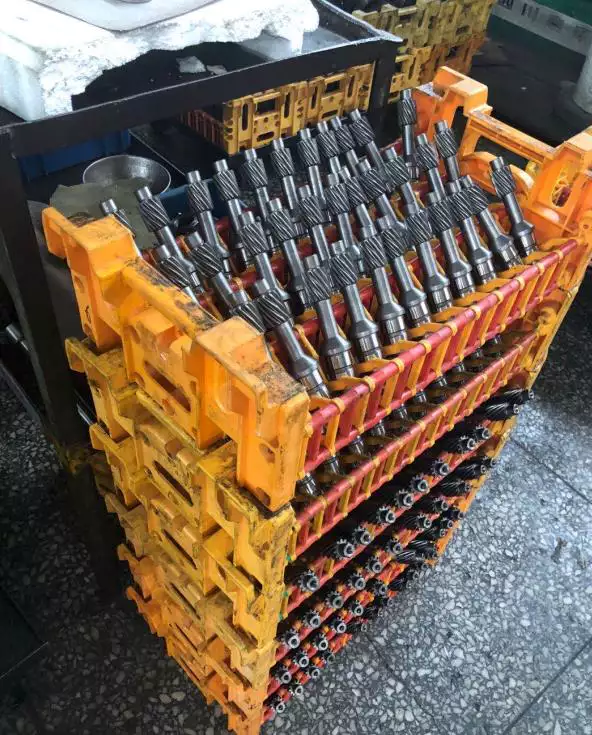
At our gear factory, we specialize in the production of high-quality gears for a wide range of industries. With state-of-the-art manufacturing facilities and a team of skilled professionals, we ensure the utmost precision and reliability in every gear we produce. Our comprehensive gear manufacturing process includes the following steps:
- Preparation of Raw Materials: We start by carefully selecting and preparing the raw materials for gear production, including forging and heat treatment processes.
- Rough Machining: The rough machining stage involves operations such as turning, drilling, and boring to shape the gears to their initial form.
- Forming Processes: We employ methods like gear hobbing, gear shaping, and gear shaving to achieve the desired gear tooth profile and accuracy.
- Semi-Finishing: In this stage, we perform operations like chamfering, keyway milling, and deburring to ensure optimal gear functionality and smooth operation.
- Heat Treatment: Gears undergo specialized heat treatment processes, such as carburizing, nitriding, or quenching and tempering, to enhance their hardness and durability.
- Finishing Processes: We utilize advanced grinding and honing techniques to achieve precise gear dimensions and surface finish.
- Inspection and Quality Assurance: Each gear undergoes rigorous quality inspections, including gear testing and surface treatments, to ensure compliance with the highest standards.
Our Factory Advantages:
- 1. Advanced Manufacturing Facilities: Our gear production facilities are equipped with state-of-the-art machinery and technology, enabling us to achieve exceptional precision and efficiency.
- 2. Skilled Workforce: Our team of experienced engineers and technicians possess in-depth knowledge of gear manufacturing techniques, ensuring the highest quality standards.
- 3. Customization Capabilities: We offer extensive customization options to meet specific customer requirements, including gear materials, dimensions, and surface treatments.
- 4. Stringent Quality Control: We adhere to strict quality control measures throughout the manufacturing process to deliver gears of the highest quality and reliability.
- 5. Timely Delivery: With efficient production planning and streamlined processes, we ensure timely delivery of gears to meet our customers’ project timelines.
Author: Miya