How does heat treatment affect hypoid gear properties?
Introduction
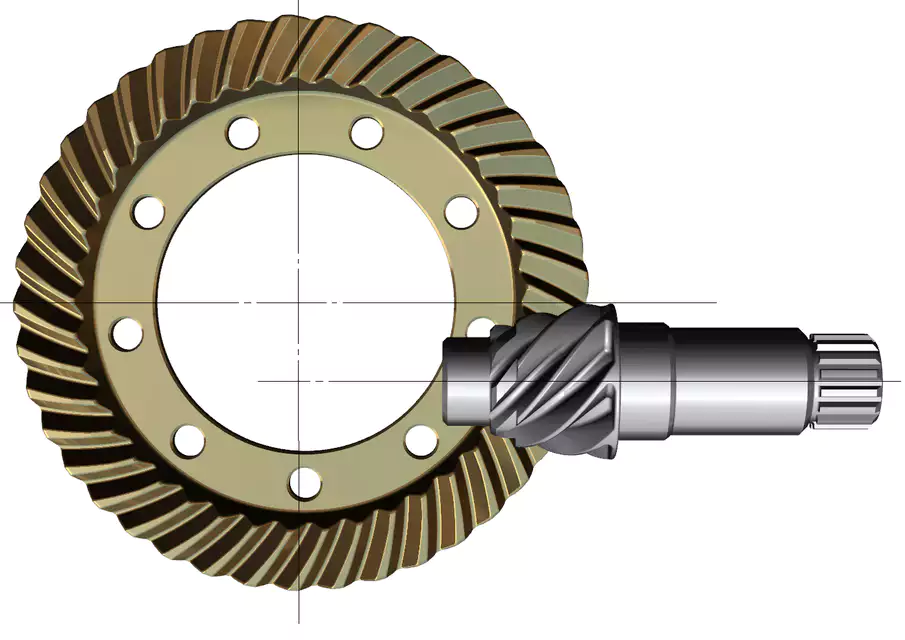
Heat treatment is a critical process in the manufacturing of hypoid gears. It involves subjecting the gears to specific temperature and time conditions to modify their microstructure and enhance their mechanical properties. In this article, we will explore the various ways in which heat treatment affects the properties of hypoid gears.
1. Increased Hardness
One of the primary effects of heat treatment on hypoid gears is the increase in hardness. Through the application of specific heating and cooling cycles, the gear material undergoes a transformation, resulting in a harder surface. This increased hardness improves the gear’s resistance to wear and extends its lifespan.
2. Improved Strength
Heat treatment also contributes to the improvement of the gear’s strength. By carefully controlling the temperature and duration of the treatment, the internal structure of the material is optimized, leading to enhanced tensile and fatigue strength. This ensures that the gear can withstand high loads and operate under demanding conditions without failure.
3. Enhanced Wear Resistance
Another important property affected by heat treatment is the gear’s wear resistance. Through the formation of a hardened surface layer, the gear becomes more resistant to abrasive wear, which is crucial in applications where gears are subjected to repeated sliding and contact. The improved wear resistance ensures prolonged gear life and reduces the need for frequent replacements.
4. Increased Durability
Heat treatment plays a significant role in enhancing the durability of hypoid gears. By optimizing the gear’s microstructure, heat treatment minimizes the occurrence of internal defects and improves its overall integrity. This results in a gear that can withstand higher loads and operate reliably for extended periods without premature failure.
5. Reduced Distortion
Distortion can be a major concern during the manufacturing process of hypoid gears. However, heat treatment can help mitigate this issue. Through careful control of the heating and cooling process, heat treatment minimizes the risk of distortion and ensures dimensional stability, allowing the gears to maintain their intended shape and geometry.
6. Increased Fatigue Life
Heat treatment significantly improves the fatigue life of hypoid gears. By subjecting the gears to specific heating and cooling cycles, the material’s resistance to cyclic loading is enhanced. This enables the gears to withstand repeated stress without developing cracks or fractures, thereby increasing their overall fatigue life.
7. Enhanced Surface Finish
Heat treatment can also contribute to improving the surface finish of hypoid gears. Through the formation of a hardened surface layer, any imperfections or roughness on the gear’s surface are reduced, resulting in a smoother finish. This is particularly important in applications where low friction and noise levels are crucial.
Conclusion
In conclusion, heat treatment is a critical process that significantly affects the properties of hypoid gears. It increases hardness, improves strength and wear resistance, enhances durability, reduces distortion, increases fatigue life, and improves surface finish. By carefully controlling the heat treatment process, manufacturers can produce high-quality hypoid gears that excel in performance and reliability.
Author: Miya
Our Gear Manufacturing Factory
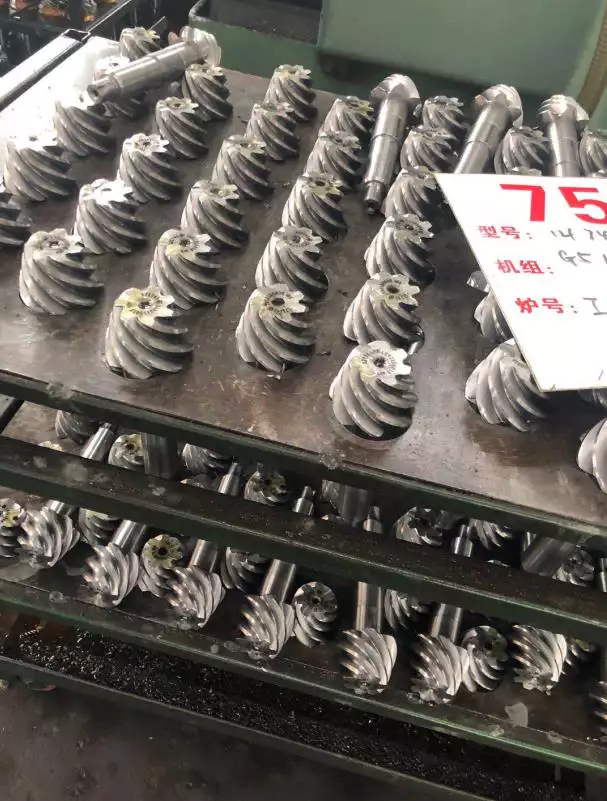
At our gear manufacturing factory, we specialize in producing high-quality gears using advanced processing techniques and technologies. Our manufacturing process involves several crucial steps:
- Raw Material Preparation: We start by preparing the raw material through forging and heat treatment to ensure optimal material properties.
- Rough Machining: The gears undergo processes such as turning, drilling, and boring to achieve the desired shape and initial dimensions.
- Forming Process: We utilize methods like gear hobbing, gear shaping, and gear shaving to create the gear teeth and finalize the gear profile.
- Semi-Finishing: This stage involves operations like chamfering, keyway machining, and deburring to ensure smooth edges and remove any burrs.
- Heat Treatment: We perform processes such as carburizing, nitriding or quenching and tempering to enhance the gear’s hardness and improve its mechanical properties.
- Finishing: The gears undergo precision grinding and honing to achieve the desired tooth profile and surface finish.
- Inspection and Acceptance: We conduct thorough gear testing and surface treatment evaluation to ensure the gears meet the required quality standards.
Through our comprehensive gear manufacturing process, we guarantee gears of exceptional quality and performance, suitable for various industrial applications.
Advantages of partnering with us:
- Extensive industry experience and expertise in gear manufacturing
- State-of-the-art facilities and advanced technologies
- Strict quality control measures to ensure superior gear performance
- Customizable gear solutions tailored to meet specific customer requirements
- Prompt and reliable delivery services
- Competitive pricing and excellent customer support
Choose our gear manufacturing factory for all your gear needs, and experience the highest level of quality and reliability.
Author: Miya