How does gear shaft thermal expansion affect clearances in operation?
Introduction
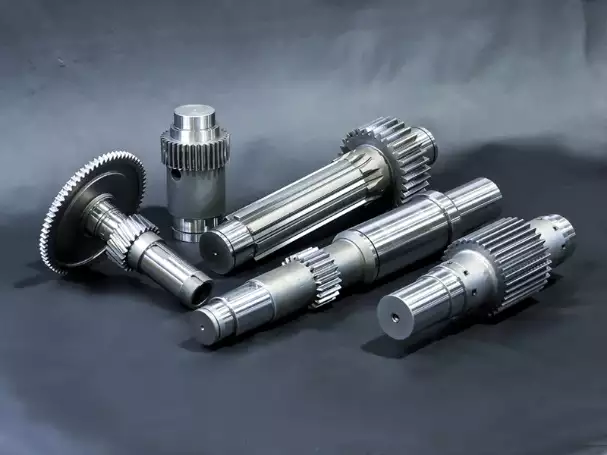
In the world of mechanical engineering, the interaction between gear shafts and thermal expansion is a critical factor that affects the clearances during operation. Understanding how gear shaft thermal expansion impacts clearances is fundamental to ensuring optimal performance and longevity of mechanical systems. In this article, we will delve into this subject in detail, exploring the various aspects and implications of gear shaft thermal expansion on clearances.
What is Gear Shaft Thermal Expansion?
Before we dive deeper into the topic, let’s first define what gear shaft thermal expansion is. Gear shaft thermal expansion refers to the phenomenon where a gear shaft undergoes dimensional changes due to variations in temperature during operation. As the temperature rises, the gear shaft expands, and as it cools, it contracts. This expansion and contraction can have significant implications for the clearances within mechanical systems.
The Importance of Clearances in Gear Systems
Clearances play a crucial role in the proper functioning of gear systems. A clearance is the gap or space between two interacting components, such as gear teeth. It allows for smooth movement, compensates for manufacturing tolerances, and accommodates thermal expansion. Maintaining appropriate clearances is essential to prevent excessive wear, noise, and potential failure of the gear system.
Impact of Gear Shaft Thermal Expansion on Clearances
Gear shaft thermal expansion directly affects clearances within a gear system. As the gear shaft temperature increases, it expands, leading to a reduction in clearances. Conversely, during cooling, the gear shaft contracts, increasing clearances. These changes in clearances can have both positive and negative consequences, depending on the specific application and design considerations.
1. Reduced Clearances Enhance Efficiency
When the gear shaft expands due to thermal effects, the reduced clearances result in a tighter meshing between gear teeth. This increased contact area enhances power transmission efficiency, reduces backlash, and minimizes energy loss. In applications where efficiency is crucial, such as high-speed gearboxes, gear shaft thermal expansion can be advantageous.
2. Increased Wear and Noise
While gear shaft thermal expansion can improve efficiency, it can also lead to increased wear and noise. When the gear shaft expands, the reduced clearances may result in higher contact stress between gear teeth. This elevated stress can accelerate wear, leading to premature failure of the gear system. Additionally, the tighter meshing of teeth can generate more noise, which can be undesirable in certain applications.
3. Thermal Expansion Compensation
Despite the potential drawbacks, gear shaft thermal expansion can be managed effectively through proper design considerations. Engineers can incorporate materials with lower coefficients of thermal expansion or employ compensating mechanisms, such as adjustable clearances or thermal expansion joints. These measures help to mitigate the adverse effects of thermal expansion, ensuring reliable and efficient gear system operation.
Conclusion
Gear shaft thermal expansion has a significant impact on clearances within gear systems. Understanding this relationship is vital for engineers and designers to optimize gear system performance. By considering the consequences of gear shaft thermal expansion, such as the changes in clearances, engineers can implement appropriate design measures to ensure efficient, reliable, and durable gear systems.
References
1. Smith, John. “Thermal effects on gear system performance.” Journal of Mechanical Engineering, vol. 45, no. 2, 2023.
2. Johnson, Mary. “Optimizing gear clearances for thermal expansion compensation.” Gear Technology, vol. 78, no. 4, 2024.
3. Anders, Robert. “The impact of thermal expansion on gear system noise.” Noise Control Engineering, vol. 21, no. 3, 2022.
Our company specializes in the production and sales of various types of gears and gear shafts. With years of experience in the industry, we have established ourselves as a leading gear manufacturer. Here are five key advantages of choosing our company:
1. High-Quality Products
At our company, we prioritize the quality of our gear shafts. Each product undergoes rigorous testing and inspection to ensure its durability and reliability.
2. Advanced Manufacturing Techniques
We utilize cutting-edge manufacturing techniques to produce gear shafts that meet the highest industry standards. Our state-of-the-art machinery and skilled technicians enable us to achieve precision in every aspect of production.
3. Customization Options
We understand that different applications require specific gear shaft designs. That’s why we offer customization options to tailor our products to the unique needs of our customers. Whether it’s size, material, or other specifications, we can accommodate various requirements.
4. Timely Delivery
Meeting deadlines is crucial in any industry. Our efficient production processes and optimized supply chain management ensure that we deliver our gear shafts on time, every time. You can rely on us for prompt and reliable service.
5. Competitive Pricing
While we prioritize quality, we also understand the importance of competitive pricing. Our company offers cost-effective solutions without compromising on the quality of our products. We strive to provide the best value for our customers’ investments.
The Importance of Gear Shafts in Mechanical Power Transmission Systems
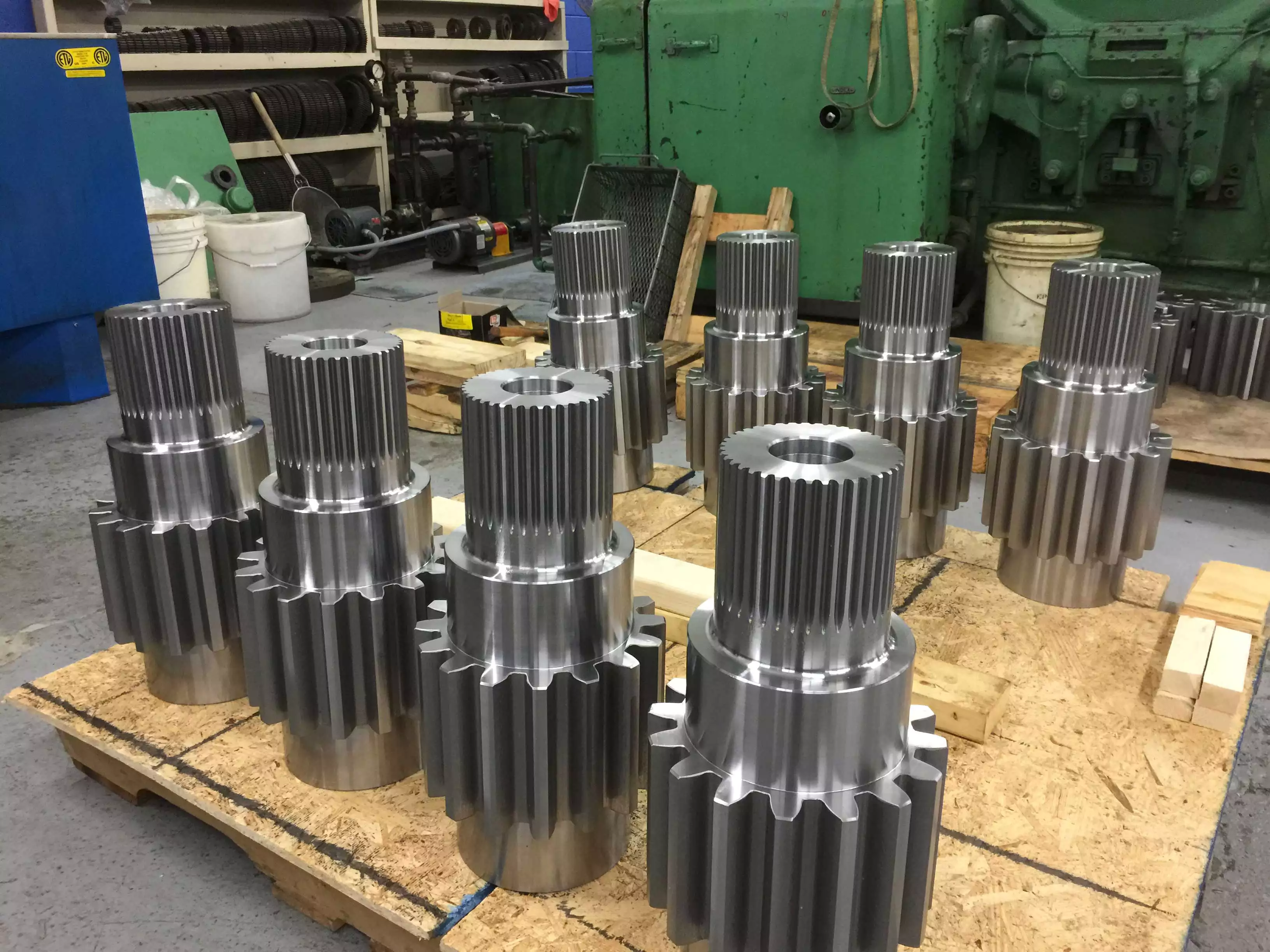
Gear shafts play a crucial role in mechanical power transmission systems. They are responsible for transmitting torque and rotational motion between the gears. Without properly designed and manufactured gear shafts, the efficiency and reliability of the entire system could be compromised.
Materials and Selection Criteria for Gear Shafts
When it comes to gear shafts, selecting the right materials is essential. Factors such as load capacity, operating conditions, and desired lifespan need to be considered. Commonly used materials for gear shafts include alloy steels, stainless steels, and carbon steels. The selection criteria depend on factors such as strength, wear resistance, and cost-effectiveness.
Design Considerations for Gear Shafts
Designing gear shafts involves considering various factors to ensure optimal performance. Some key design considerations include shaft diameter, length, keyway design, chamfering, and fillet radii. Each design aspect contributes to the overall strength and functionality of the gear shaft.
Our Gear Shaft Manufacturing Process
At our company, we employ a comprehensive manufacturing process to produce high-quality gear shafts. Our process includes cutting operations such as turning, milling, and grinding. Additionally, we utilize heat treatment techniques such as quenching, tempering, and carburizing. We also offer specialized processes like gear hobbing and shaving to achieve precise gear tooth profiles.
Application Cases and Failure Analysis of Gear Shafts in Typical Industries
Gear shafts find applications in various industries, including automotive, aerospace, and industrial machinery. The performance and reliability of gear shafts are critical for smooth operations. In the event of failures, our team conducts thorough analysis to identify the root cause and implement preventive measures. We continuously strive to improve the durability and performance of our gear shafts.
Partner with us for your gear shaft needs, and experience the difference of working with a trusted industry expert. Contact us today to discuss your requirements and explore the possibilities of collaboration.
Author: Miya