How does gear shaft surface integrity affect long-term reliability?
1. Introduction
The surface integrity of gear shafts plays a crucial role in determining their long-term reliability. This article aims to explore the various aspects of gear shaft surface integrity and its impact on the overall performance and durability of gear systems.
2. Understanding Gear Shaft Surface Integrity
2.1 Surface Roughness
Surface roughness, defined as the irregularities on the gear shaft’s surface, directly affects its performance and reliability.
2.2 Surface Hardness
The hardness of the gear shaft surface is a critical factor in determining its resistance to wear, fatigue, and pitting.
2.3 Surface Residual Stress
The presence of residual stress on the gear shaft surface can significantly affect its dimensional stability and resistance to crack initiation and propagation.
3. Impact on Gear System Performance
3.1 Load Carrying Capacity
The surface integrity of the gear shaft directly impacts its load carrying capacity, which is essential for transmitting power efficiently.
3.2 Efficiency and Power Loss
A gear shaft with poor surface integrity can result in increased friction, leading to reduced system efficiency and higher power losses.
3.3 Noise and Vibration
Surface irregularities and defects can cause noise and vibration in the gear system, affecting its overall performance and reliability.
4. Surface Treatment Techniques
4.1 Shot Peening
Shot peening is a surface treatment technique that induces compressive residual stress, enhancing the gear shaft’s fatigue strength and resistance to crack propagation.
4.2 Case Hardening
Case hardening involves the formation of a hardened layer on the gear shaft surface, improving its wear resistance and overall reliability.
4.3 Superfinishing
Superfinishing is a precision machining process that reduces surface roughness, enhancing the gear shaft’s performance and reducing frictional losses.
5. Measurement and Evaluation
5.1 Surface Profilometry
Surface profilometry is a technique used to measure the gear shaft’s surface roughness, enabling evaluation and comparison of different surface treatments.
5.2 Residual Stress Analysis
Residual stress analysis helps assess the presence and magnitude of residual stress on the gear shaft surface, aiding in optimizing its design and manufacturing processes.
6. Conclusion
In conclusion, the surface integrity of gear shafts significantly affects their long-term reliability. Surface roughness, hardness, and residual stress are crucial factors that influence gear system performance and durability. By implementing appropriate surface treatment techniques and utilizing advanced measurement and evaluation methods, engineers can optimize gear shaft surface integrity, resulting in more efficient and reliable gear systems.
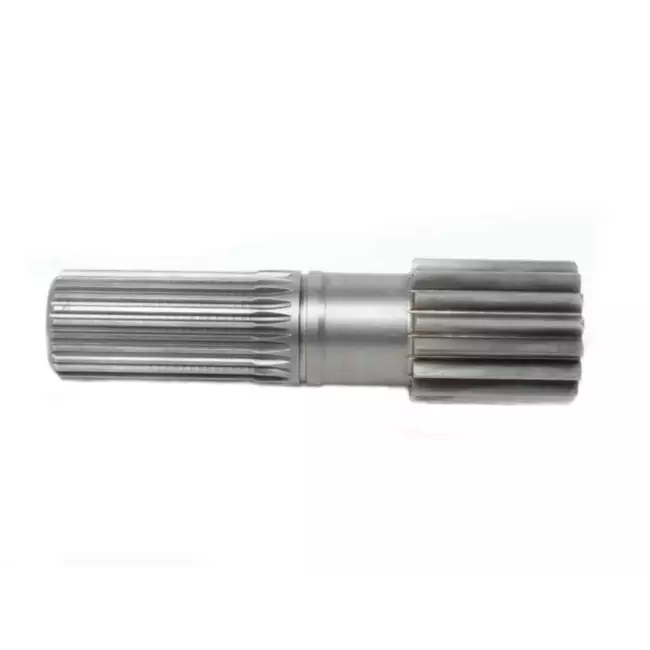
We are a leading company that specializes in the production and sales of various types of gears and gear shafts. Our company prides itself on several advantages:
- High-quality manufacturing processes
- Extensive range of gear options
- Strict quality control measures
- Experienced team of engineers and technicians
- Excellent customer service
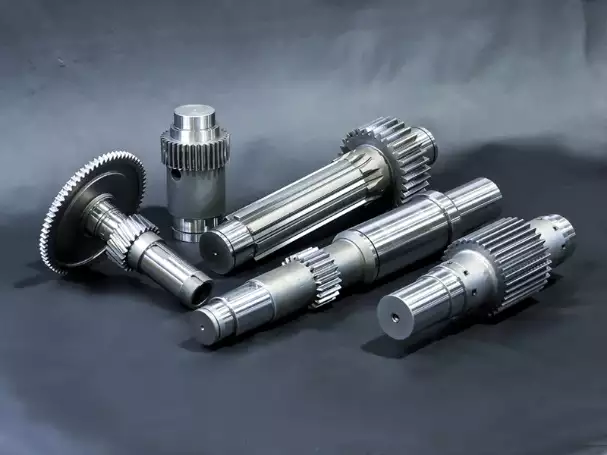
The Importance of Gear Shafts in Mechanical Transmission Systems
Gear shafts play a crucial role in mechanical transmission systems. They are responsible for transferring torque and rotational motion from the power source to the driven components. Without well-designed and properly functioning gear shafts, the reliability and efficiency of the entire system can be compromised.
Material Selection and Design Considerations for Gear Shafts
When it comes to gear shafts, material selection and design considerations are vital for ensuring optimal performance and long-term reliability. Key factors to consider include:
Material Properties
The choice of material should consider factors such as strength, fatigue resistance, wear resistance, and machinability. Common materials for gear shafts include alloy steels, stainless steels, and carbon steels.
Heat Treatment
Heat treatment processes like quenching, tempering, and carburizing are used to enhance the mechanical properties of gear shafts, such as hardness and toughness.
Specialized Machining
Special machining techniques like gear hobbing, gear shaving, and gear grinding are employed to ensure accurate tooth profiles, surface finishes, and proper meshing characteristics.
Applications and Failure Analysis of Gear Shafts
Gear shafts find wide applications in various industries such as automotive, aerospace, and machinery. However, improper design, material selection, or manufacturing processes can lead to failure. By conducting thorough failure analysis and implementing preventive measures, we aim to minimize potential issues and enhance the reliability of gear shafts in these industries.
Partner with us today and experience the benefits of our superior gear shafts. We are committed to delivering high-quality products that meet your specific requirements and exceed your expectations.
Author: Miya