How does gear honing affect the surface finish and operational noise of hypoid gears?
The Importance of Gear Honing
Gear honing plays a crucial role in determining both the surface finish and operational noise of hypoid gears. By employing this advanced machining technique, manufacturers can achieve superior gear performance and enhance overall gear quality. In this article, we will explore the various ways in which gear honing impacts the surface finish and operational noise of hypoid gears.
1. Reduction in Surface Roughness
One of the primary effects of gear honing on hypoid gears is the reduction in surface roughness. Through the precise removal of material from the gear teeth, honing helps to smoothen the surface, resulting in a significant decrease in roughness. This improved surface finish not only enhances the gear’s aesthetics but also reduces friction and wear, leading to improved efficiency and durability.
2. Minimization of Micro-Geometry Deviations
Gear honing also plays a vital role in minimizing micro-geometry deviations of hypoid gears. During the honing process, any irregularities or imperfections present on the tooth flanks are carefully corrected. This ensures that the gear teeth maintain the desired shape and contact pattern, reducing the likelihood of noise generation and vibration during gear operation.
3. Noise Reduction through Proper Contact Pattern
Proper contact pattern is crucial for minimizing operational noise in hypoid gears. Gear honing allows for precise control of tooth surface geometry, ensuring optimal contact between mating gears. By achieving the ideal contact pattern, honing helps to distribute the load evenly and reduce localized stress concentrations. Consequently, this leads to a quieter and smoother gear operation, benefiting both the gear system’s performance and the user’s comfort.
4. Enhanced Lubrication Film Formation
An additional advantage of gear honing is the enhanced formation of lubrication films between gear teeth. The honing process creates a micro-textured surface, which promotes the retention of lubricants and enhances their effectiveness. This improved lubrication film formation not only reduces friction and wear but also contributes to a quieter gear operation by dampening vibrations and reducing noise generation.
5. Optimization of Gear Meshing
Through gear honing, the gear meshing process can be optimized to minimize noise generation. By carefully adjusting the gear tooth geometry and contact pattern, honing helps to eliminate any potential misalignment or interference during gear meshing. This optimization results in smoother and quieter gear engagement, improving the overall operational noise characteristics of hypoid gears.
6. Advantages of Hypoid Gears Compared to Other Gear Types
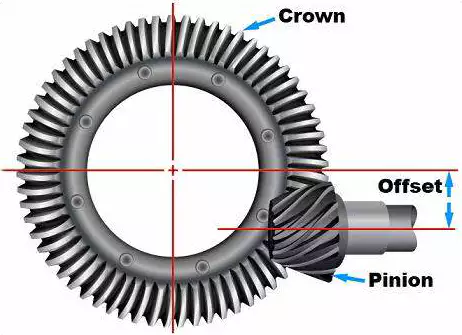
In addition to the effects of gear honing, hypoid gears offer several advantages over other gear types. Their unique tooth geometry allows for higher torque transmission, improved efficiency, and reduced backlash. Furthermore, hypoid gears can operate at various shaft angles, making them suitable for a wide range of applications, including automotive, industrial machinery, and marine systems.
Introduction to Our Gear Manufacturing Factory
At our gear manufacturing factory, we specialize in producing high-quality gears that meet the precise needs of our customers. With state-of-the-art facilities and a team of experienced professionals, we offer top-notch gear production services.
Our Gear Manufacturing Process and Techniques
Our gear manufacturing process involves the following steps:
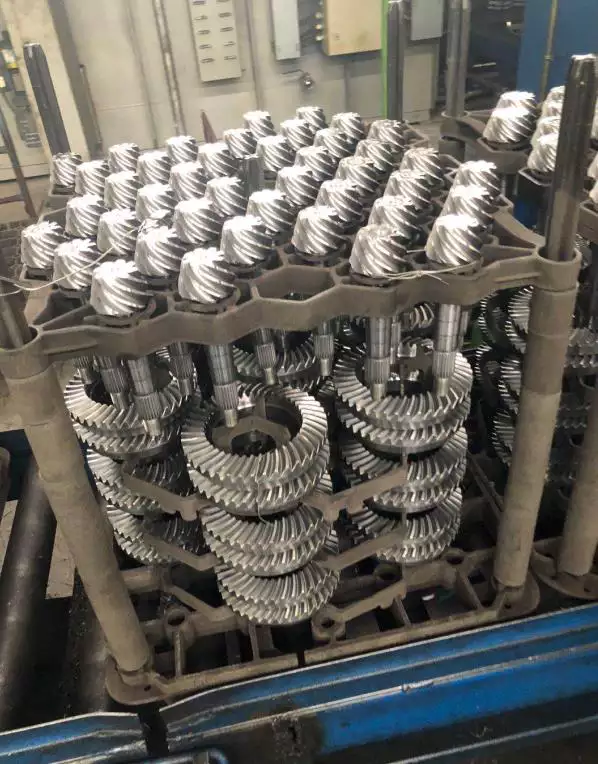
- Raw Material Preparation: We start by preparing the gear blanks through forging and heat treatment processes. This ensures the desired material properties and strength.
- Rough Machining: The next step involves rough machining operations such as turning, drilling, and boring to shape the gear blanks.
- Forming Process: We employ various forming processes such as gear rolling, gear hobbing, and gear shaving to achieve the desired gear tooth profile.
- Semi-Precision Machining: After forming, we perform additional operations like chamfering, keyway milling, and deburring to ensure smooth edges and remove any burrs.
- Heat Treatment: The gears undergo heat treatment processes such as carburizing, nitriding, or quenching and tempering to improve their hardness, wear resistance, and toughness.
- Precision Machining: In this stage, we perform gear grinding or gear honing to achieve the desired tooth surface finish and ensure precise gear dimensions.
- Inspection and Quality Assurance: We conduct thorough gear testing and inspection to ensure the highest quality standards. This includes gear measurement, surface treatment evaluation, and other quality checks.
By following this comprehensive manufacturing process, we can deliver gears that meet the most demanding requirements in terms of precision, durability, and performance.
Advantages of Choosing Our Gear Manufacturing Services
- Advanced manufacturing facilities and cutting-edge technology
- Experienced and skilled workforce
- Strict quality control measures
- Customizable gear solutions
- Competitive prices and on-time delivery
- Wide range of gear types and sizes available
- Strong commitment to customer satisfaction
Partnering with us means gaining access to high-quality gears that will precisely meet your application requirements. Contact us now to discuss your gear needs and explore how we can collaborate to achieve optimal gear performance.
Author: Miya