Stainless steel chains are commonly used in packing machines due to their strength and durability. However, many people overlook the importance of proper chain tension when it comes to maintaining these chains. In this article, we will explore the effects of chain tension on stainless steel packing machine chains and how to ensure that your chains are properly tensioned for optimal performance.
What is Chain Tension?
Chain tension refers to the degree of tightness of a chain. It is important to maintain proper chain tension to prevent excessive wear and tear on the chain, as well as to ensure optimal performance of the machine. The tension of a chain can be measured by the amount of slack or sag that is present in the chain when it is in operation.
Why is Chain Tension Important for Stainless Steel Packing Machine Chains?
The tension of a chain is critical to the performance of a machine. If the chain is too loose, it can jump off the sprockets, causing damage to the chain, sprockets, and other components of the machine. On the other hand, if the chain is too tight, it can cause excessive wear on the chain and sprockets, leading to premature failure.
How to Check Chain Tension
The easiest way to check chain tension is to measure the amount of slack or sag in the chain. This can be done by pulling the chain away from the sprockets at the midpoint between two sprockets. The amount of slack should be within the manufacturer’s recommended range, which can usually be found in the machine’s manual.
It is important to note that chain tension can change over time due to wear and tear on the chain and sprockets. Therefore, it is important to check chain tension regularly and adjust it as necessary.
The Effects of Over-Tensioned Chains
Over-tensioned chains can cause excessive wear and tear on the chain and sprockets, leading to premature failure. This is because the tension places a greater load on the chain, causing it to stretch and elongate more quickly than it would under normal tension. Over-tensioned chains can also cause damage to other components of the machine, such as bearings and shafts.
The Effects of Under-Tensioned Chains
Under-tensioned chains can jump off the sprockets, causing damage to the chain, sprockets, and other components of the machine. This is because the slack in the chain allows it to move around more freely, increasing the likelihood that it will come off the sprockets. Under-tensioned chains can also cause excessive vibration and noise, which can be detrimental to the performance of the machine.
How to Adjust Chain Tension
To adjust chain tension, loosen the bolts that hold the sprockets in place and move the sprockets until the proper tension is achieved. It is important to tighten the bolts evenly to ensure that the sprockets are aligned properly and to prevent damage to the chain and sprockets.
It is also important to note that some packing machines have automatic tensioners that adjust the tension of the chain automatically. If your machine has an automatic tensioner, be sure to follow the manufacturer’s recommendations for maintenance and adjustment.
Conclusion
Proper chain tension is critical to the performance and longevity of stainless steel packing machine chains. Over-tensioned chains can cause excessive wear and tear, while under-tensioned chains can jump off the sprockets and cause damage to the machine. By checking chain tension regularly and adjusting it as necessary, you can ensure that your machine operates at optimal performance and efficiency.
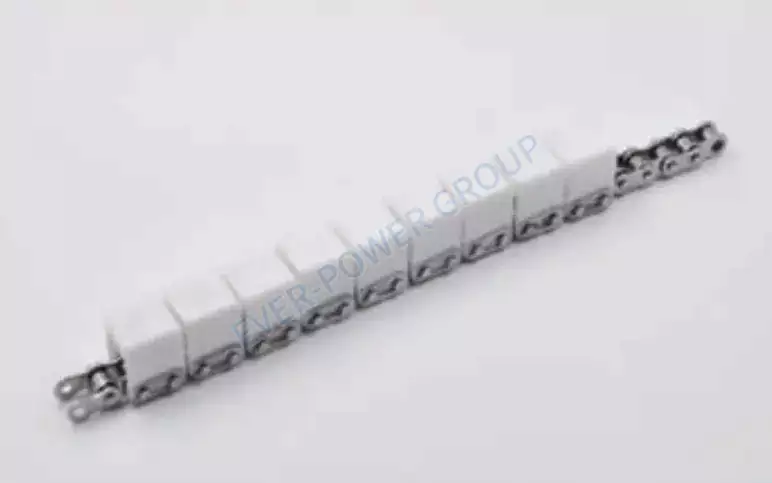
Additional Tips for Maintaining Stainless Steel Packing Machine Chains
- Regularly lubricate the chain to prevent excessive wear and tear
- Inspect the chain and sprockets for signs of wear or damage
- Replace worn or damaged components immediately to prevent further damage to the chain and sprockets
- Follow the manufacturer’s recommended maintenance schedule for your packing machine
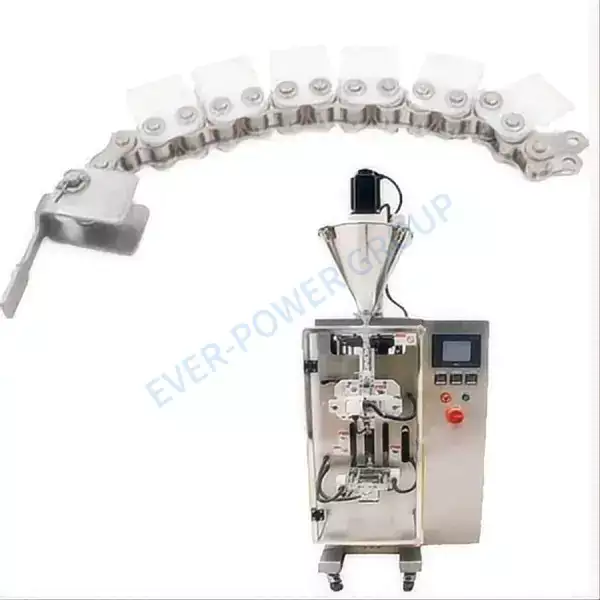
Sprockets for Stainless Steel Chains
When it comes to stainless steel packing machine chains, choosing the right sprockets is crucial. The chain tension plays a significant role in the overall performance and longevity of the chains. Properly tensioned chains ensure smooth operation and prevent premature wear and tear.
At our company, we offer a wide range of sprockets specifically designed for stainless steel chains. Our sprockets are meticulously crafted to provide optimal performance and durability in packaging applications.
When selecting the appropriate sprocket, there are a few factors to consider. Firstly, the number of teeth on the sprocket must match the pitch of the chain. This ensures proper engagement and smooth power transmission. Additionally, the sprocket bore should be compatible with the shaft diameter of the machine.
Our extensive collection of sprockets includes various types such as single-strand, double-strand, and idler sprockets. We also offer sprockets with different tooth profiles, including standard, skip tooth, and double pitch. This wide selection allows our customers to find the perfect sprocket for their specific packing machine requirements.
Our sprockets are made from high-quality stainless steel material, ensuring excellent corrosion resistance in challenging packaging environments. They are precisely machined to guarantee accurate tooth profiles and smooth engagement with the chain, minimizing the risk of chain slippage or jamming.
For a visual representation of our stainless steel sprockets, please refer to the image below:
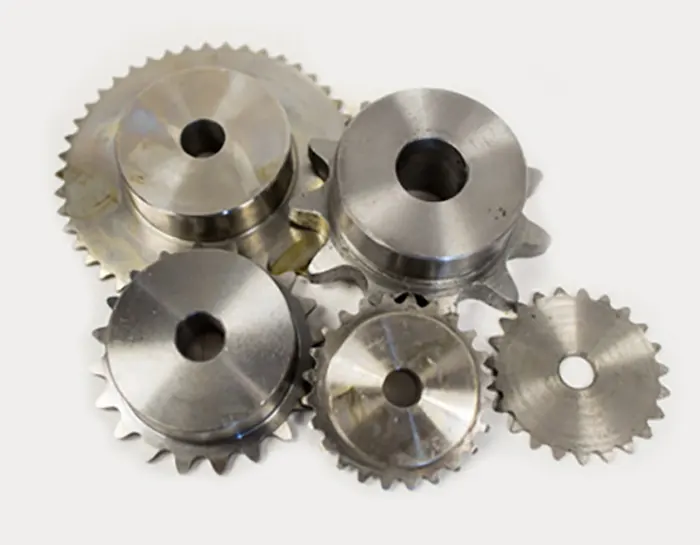
We take pride in offering top-notch sprockets that meet the highest standards of quality and performance. With our diverse range of sprockets and our commitment to customer satisfaction, we are confident that we can provide the ideal solution for your stainless steel packing machine chain needs.
Why Choose Our Stainless Steel Chains for Packing Machine?
At Ever-power, we take pride in offering top-of-the-line stainless steel chains for packing machines. Our chains are designed to meet the highest standards of quality and durability, ensuring reliable performance in the most demanding industrial environments.
One key advantage of our stainless steel chains is their exceptional strength and resistance to wear. Made from high-grade stainless steel, our chains can withstand heavy loads and extreme conditions, providing long-lasting performance without compromising on reliability.
In addition to their superior quality, our stainless steel chains are also known for their excellent corrosion resistance. This makes them ideal for use in packing machines, as they can withstand exposure to moisture, chemicals, and other harsh substances commonly found in industrial settings.
Furthermore, we pride ourselves on providing exceptional customer service. Our team of experts is always ready to assist you with any inquiries or concerns you may have, ensuring a smooth and hassle-free experience from start to finish.
Aside from our stainless steel chains for packing machines, we also offer a wide range of other stainless steel roller chains for various applications. Whether you need chains for conveyors, elevators, or other machinery, we have a solution to meet your specific needs.
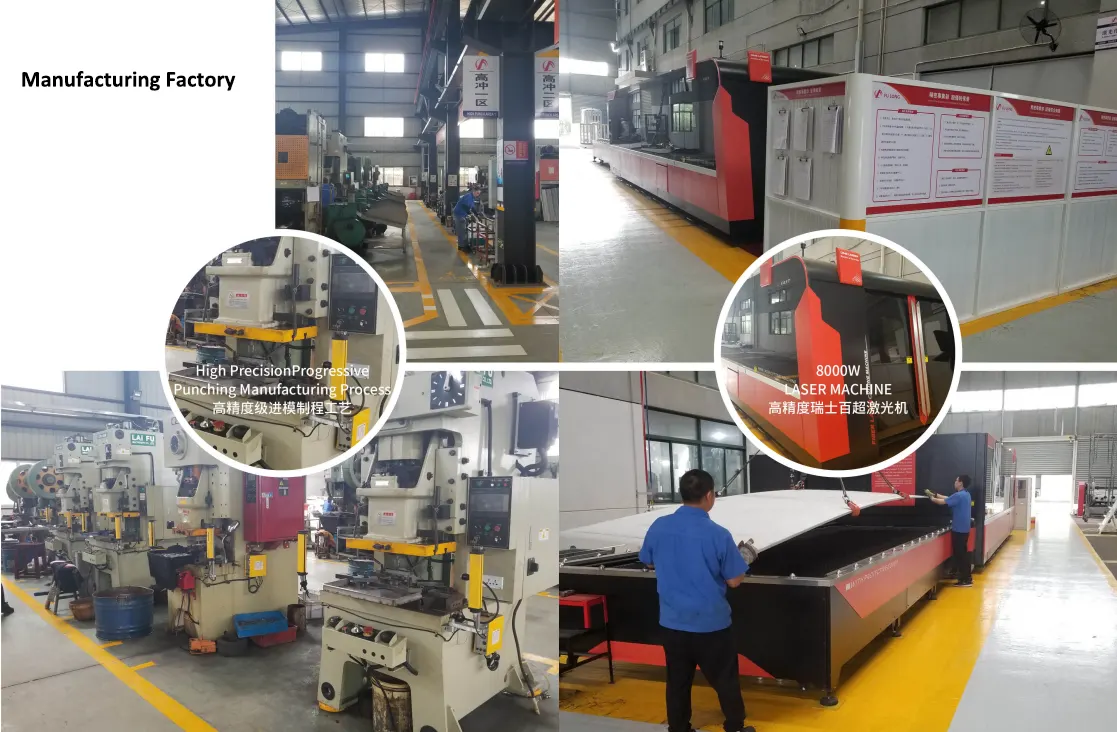
Choose Ever-power for top-quality stainless steel chains that deliver unmatched performance and reliability. Contact us today to learn more about our products and services.
Q: What is chain tension?
A: Chain tension refers to the degree of tightness of a chain. It is important to maintain proper chain tension to prevent excessive wear and tear on the chain, as well as to ensure optimal performance of the machine.
Q: Why is chain tension important for stainless steel packing machine chains?
A: The tension of a chain is critical to the performance of a machine. If the chain is too loose, it can jump off the sprockets, causing damage to the chain, sprockets, and other components of the machine. On the other hand, if the chain is too tight, it can cause excessive wear on the chain and sprockets, leading to premature failure.
Q: How do you check chain tension?
A: The easiest way to check chain tension is to measure the amount of slack or sag in the chain. This can be done by pulling the chain away from the sprockets at the midpoint between two sprockets. The amount of slack should be within the manufacturer’s recommended range, which can usually be found in the machine’s manual.
Edited By Zqq.