How Does a Trailer Screw Jack Work?
A trailer screw jack is an essential piece of equipment that plays a vital role in the safe operation and positioning of a trailer. These mechanical devices use simple principles of physics to lift and hold a trailer, providing stability and support when needed. But, how exactly does a trailer screw jack work? To understand this, we need to delve into its construction, mechanics, and applications.
The Construction of a Trailer Screw Jack
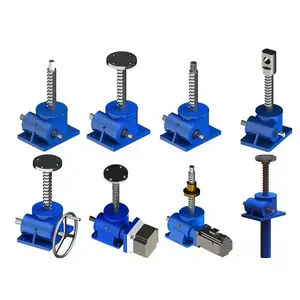
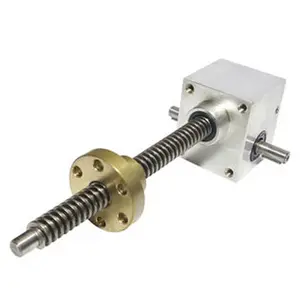
A typical trailer screw jack consists of a few key components – a screw, a nut, a handle, and a base. The screw is the main driving element, usually a long metal rod with threads spiraling around it. This screw runs through a collar or nut which can move up and down the screw when it is rotated. This movement is facilitated by a handle or crank, which provides the necessary leverage to turn the screw. Lastly, a sturdy base supports the entire mechanism, often designed to distribute the weight of the trailer evenly for better stability.
Understanding the Mechanics
The operation of a trailer screw jack is based on the principle of mechanical advantage, which is the effectiveness of a simple machine to multiply force. When you turn the handle, it rotates the screw. The threads on the screw push against the threads on the collar, causing it to move up or down the screw. This movement can effectively lift or lower the trailer, depending on the direction of the rotation. The mechanical advantage in this system comes from the fact that a small rotational force from turning the handle can generate a large amount of vertical force.
Applications of a Trailer Screw Jack
Trailer screw jacks are widely used for lifting and leveling trailers. They can be found on all types of trailers, from small utility trailers to large commercial trailers. When a trailer is not attached to a vehicle, the screw jack provides stability and prevents the trailer from tipping over. They are also used to adjust the height of the trailer hitch, making it easier to connect the trailer to the towing vehicle. In addition, they can also be used to level the trailer on uneven ground, ensuring that the contents inside stay balanced and secure.
Safety Considerations
While trailer screw jacks are simple devices, they can be dangerous if not used properly. It is important to ensure that the jack is positioned correctly and that it is rated to support the weight of the trailer. Overloading the jack can cause it to fail, potentially leading to serious accidents. Regular maintenance is also important to ensure that the screw and the collar move smoothly, and that there is no corrosion or damage that could weaken the jack.
The Advantages of a Trailer Screw Jack
One of the main advantages of a trailer screw jack is its simplicity. It does not require any power to operate, making it reliable and easy to use. Additionally, it is compact and portable, making it conveniently storable when not in use. The mechanical advantage it offers also means that it can lift heavy trailers with minimal effort. Furthermore, the gradual control it provides over the lifting and lowering process makes it safer and more precise than other types of jacks.
Conclusion
In conclusion, understanding how a trailer screw jack works can help you make the most of this handy tool. Its simplicity combined with its efficiency makes it an indispensable part of any trailer setup. Whether you’re hitching, unhitching, or ensuring your trailer is level, the trailer screw jack plays a crucial role in ensuring the job is done safely and correctly.