How Does a Clutch Pulley Work?
A clutch pulley is a fundamental component of various machinery and vehicles. It plays a central role in transmitting power, controlling machine operations, and determining the speed of devices. To fully appreciate its functionality, it’s crucial to delve deeper into its mechanism and operation.
Understanding the Basic Construction of a Clutch Pulley
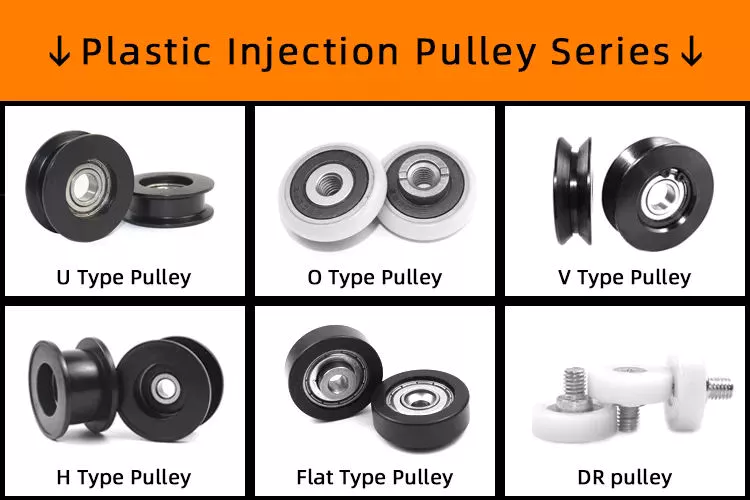
The clutch pulley is primarily composed of two main parts: the clutch and the pulley. The clutch is responsible for engaging and disengaging the transmission of power, while the pulley facilitates the movement and speed of the machine. The clutch pulley system can be found in numerous machines, from cars to industrial equipment, serving different purposes depending on the specific requirements of the machinery.
The Role of the Clutch in a Clutch Pulley
The clutch is a sophisticated mechanical device that acts as a bridge connecting two rotating shafts. It is designed to engage and disengage the power transmission, particularly in vehicles. When engaged, the clutch connects the engine to the gearbox, allowing power to flow from the engine to the drive wheels. When disengaged, it breaks the flow of power, allowing the engine to keep running even when the vehicle or machinery is stationary.
The Functionality of the Pulley in a Clutch Pulley
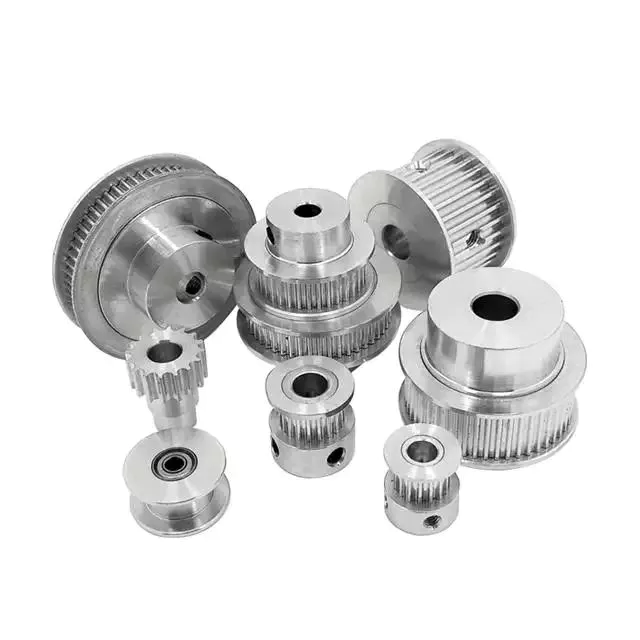
The pulley, on the other hand, is a wheel on an axle designed to support movement and change in direction and speed of a cable or belt. In the context of a clutch pulley, it helps control the speed of the machinery. The size and type of pulley can significantly affect the machine’s performance, as larger pulleys can increase torque while smaller ones can increase speed.
Working Principle of a Clutch Pulley
The clutch pulley operates on a simple yet effective mechanism. When the clutch is engaged, the pulley transmits power from the engine (or motor) to the rest of the machine through a belt or chain. This power transmission enables the machine or vehicle to perform its function. The clutch can be disengaged to stop the transmission of power, allowing the engine to run without moving the machine. This mechanism gives the operator full control over the machine’s operations and speed.
Types of Clutch Pulleys
There are different types of clutch pulleys, each designed for specific applications. Some common types include the overrunning clutch pulley, magnetic clutch pulley, and centrifugal clutch pulley. The overrunning clutch pulley is primarily used in vehicle alternators, allowing the alternator to freewheel when the engine speed drops. The magnetic clutch pulley is commonly found in air conditioning compressors, engaging and disengaging the compressor as needed. The centrifugal clutch pulley is often used in small motorized devices like chainsaws, engaging the clutch when the engine reaches a specific speed.
The Importance of a Clutch Pulley
The clutch pulley plays an essential role in the smooth operation of machinery and vehicles. It allows for precise control of power transmission, thereby enhancing the performance and efficiency of the machine. By understanding how a clutch pulley works, one can better appreciate the intricate workings of various machines and vehicles.
Conclusion
In summary, a clutch pulley is a crucial component that enables the seamless operation of various machinery and vehicles. Through the clutch and pulley’s combined functions, this device allows for the effective transmission of power, control of machine speed, and overall efficiency of the machine’s operation. By comprehending its functionality, one can gain a deeper understanding of the complex world of machinery and vehicle operation.