Introduction
Double worm reduction gearboxes are widely used in various industries due to their unique design and exceptional performance. In this article, we will explore the different aspects of measuring the performance of a double worm reduction gearbox and its significance in various applications.
1. Understanding the Basics of Double Worm Reduction Gearbox
A double worm reduction gearbox is a mechanical device that converts high-speed rotational motion into low-speed and high-torque output. It consists of two worm gears and one worm wheel, creating a compact and efficient power transmission system. The performance of the gearbox is determined by various factors, including:
- Efficiency
- Load Capacity
- Noise Level
- Backlash
- Temperature Rise
2. Measuring Efficiency
The efficiency of a double worm reduction gearbox can be measured by calculating the ratio of the output power to the input power. This is commonly referred to as the transmission efficiency. A higher transmission efficiency indicates a more efficient gearbox, resulting in less power loss and improved overall performance.
3. Evaluating Load Capacity
The load capacity of a double worm reduction gearbox refers to its ability to handle and transmit torque without failure or excessive wear. To measure the load capacity, various tests are conducted, including:
- Static Load Test
- Dynamic Load Test
- Overload Test
These tests help determine the maximum load that the gearbox can safely handle, ensuring its reliable and long-lasting performance.
4. Assessing Noise Level
The noise level produced by a double worm reduction gearbox is an important aspect to consider, especially in applications where noise pollution needs to be minimized. The noise level can be measured using specialized equipment, such as sound level meters, and should comply with industry standards and regulations.
5. Measuring Backlash
Backlash refers to the amount of free play or movement between the gears within the gearbox. It can negatively impact the accuracy and precision of the system. Backlash is measured by determining the gap between the teeth of the worm gear and worm wheel. A lower backlash indicates a more precise gearbox.
6. Monitoring Temperature Rise
Temperature rise is an important factor to consider when measuring the performance of a double worm reduction gearbox. Excessive temperature rise can lead to premature wear, reduced efficiency, and even gearbox failure. Temperature rise can be measured using temperature sensors placed at critical points within the gearbox.
Electric Motors for Sale
The relationship between gearboxes and electric motors is symbiotic, as both play a crucial role in various industrial applications. Electric motors provide the necessary power to drive the gearbox, while the gearbox ensures the appropriate speed and torque for the motor to perform efficiently. At our company, we offer a wide range of electric motors for sale that are compatible with our double worm reduction gearboxes. These motors are designed to provide reliable performance and are suitable for various industrial applications.

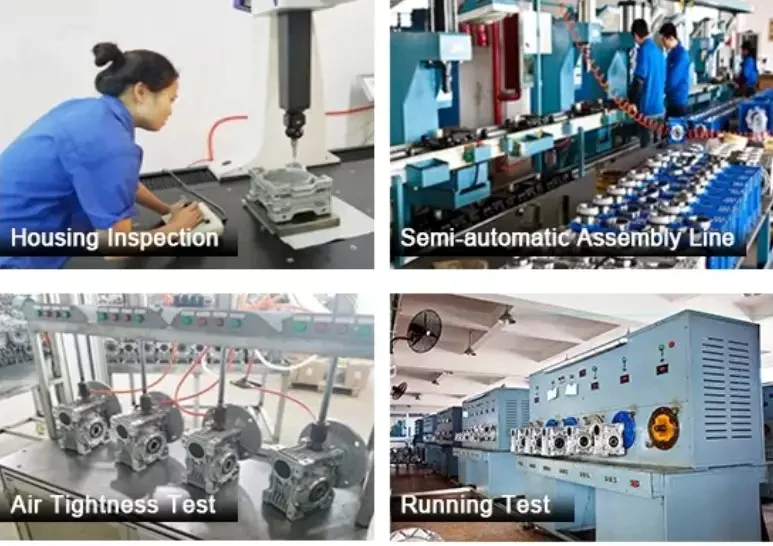
At our company, we are committed to providing high-quality double worm reduction gearboxes that meet the diverse needs of our customers. With over 15 years of experience in the industry, we have established ourselves as a reputable manufacturer with a strong presence in Europe and America. Our production facilities are equipped with advanced equipment and our team of professionals ensures the highest level of product quality. We strive to deliver the best service and competitive prices to our customers, making us the preferred choice for transmission equipment.
Q&A
Q1: What are the main advantages of using a double worm reduction gearbox?
A1: The main advantages of using a double worm reduction gearbox include high torque output, compact design, and efficient power transmission.
Q2: What are the common applications of double worm reduction gearboxes?
A2: Double worm reduction gearboxes are commonly used in conveyor systems, packaging machinery, and industrial automation equipment.
Q3: How can I determine the appropriate double worm reduction gearbox for my application?
A3: The appropriate double worm reduction gearbox can be determined by considering factors such as required torque, input speed, and application-specific requirements. Our team of experts can assist you in selecting the right gearbox for your needs.
Q4: How often should I perform maintenance on a double worm reduction gearbox?
A4: Regular maintenance should be performed as per the manufacturer’s recommendations. This includes lubrication, inspection of gears and bearings, and checking for any signs of wear or damage.
Q5: Can I customize a double worm reduction gearbox to meet my specific requirements?
A5: Yes, we offer customization services to meet the specific requirements of our customers. Our team can work with you to design and manufacture a gearbox that fits your unique application needs.
Edited by Zqq.