Introduction
Double worm reduction gearbox is a device that is used to reduce the speed of an electric motor. It is commonly used in industries such as mining, manufacturing, and construction. The gearbox consists of two worm gears, which are meshed together to transmit power from the input shaft to the output shaft. In this article, we will discuss how to conduct a load test on a double worm reduction gearbox.
What is a Load Test?
A load test is a type of performance test that is used to determine how well a gearbox can handle a given load. The load is typically applied to the output shaft of the gearbox, and the gearbox is run at a steady state for a specified period of time. The load can be changed during the test to simulate different operating conditions.
Why Conduct a Load Test on a Double Worm Reduction Gearbox?
Conducting a load test on a double worm reduction gearbox is important for several reasons. First, it helps to ensure that the gearbox is capable of handling the load it is designed for. Second, it can help identify any potential problems with the gearbox before it is put into service. Finally, it can help to determine the expected lifespan of the gearbox under different operating conditions.
How to Conduct a Load Test on a Double Worm Reduction Gearbox?
The following are the steps to be followed when conducting a load test on a double worm reduction gearbox:
Step 1: Determine the Load
The first step in conducting a load test is to determine the load that the gearbox will be subjected to. The load should be based on the operating conditions of the gearbox and the expected maximum load that it will have to handle.
Step 2: Choose the Testing Equipment
The testing equipment used to conduct the load test should be capable of accurately measuring the load on the gearbox. It should also be capable of measuring the temperature of the gearbox during the test.
Step 3: Set Up the Gearbox
The gearbox should be set up in a test rig that is capable of applying and measuring the load. The input and output shafts of the gearbox should be connected to the test rig.
Step 4: Run the Gearbox
The gearbox should be run at a steady state for a specified period of time. The load can be changed during the test to simulate different operating conditions.
Step 5: Measure the Results
The results of the load test should be carefully measured and recorded. The measurements should include the load on the gearbox, the temperature of the gearbox, and any other relevant data.
Conclusion
Conducting a load test on a double worm reduction gearbox is an important step in ensuring that it is capable of handling the load it is designed for. By following the steps outlined in this article, you can conduct an accurate and reliable load test on your gearbox.
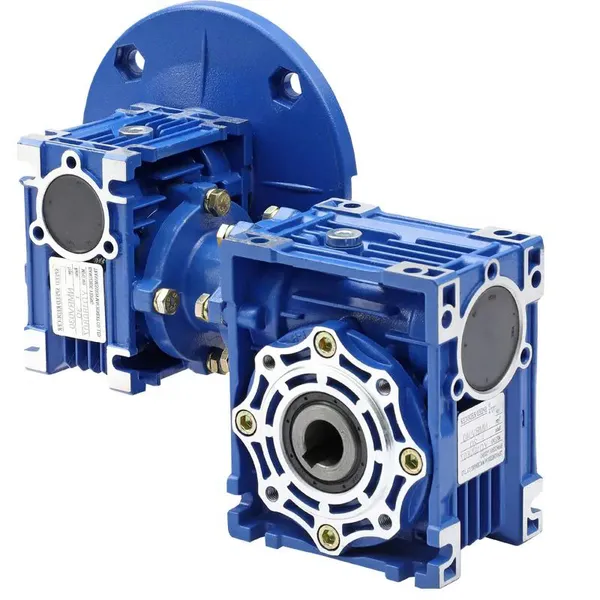
Electric Motors for Sale
Electric motors and double worm reduction gearboxes are two devices that are complementary to each other. Without electric motors, the double worm reduction gearbox would not be able to function. At our company, we offer a wide range of electric motors for sale that are designed to work with our double worm reduction gearboxes. Our electric motors are high-quality, energy-efficient, and reliable, making them the perfect choice for any industrial application.

About Our Company
We are a comprehensive transmission equipment manufacturer that specializes in the design, production, manufacture, and sales of speed reducers. With over 15 years of experience, we have served customers in Europe, America, Africa, Asia, and other regions, and have won the praise of the market. Our products include MRV series worm gear reducer, GV series gear reducer, RT series solar reducer, XV series planetary reducer, BD series harmonic reducer, and various types of non-standard reducer. Our products are widely used in industries such as equipment, food, car washing, packaging, transmission, automation, and solar energy. We are committed to providing our customers with the highest quality products, the most efficient service, and the most competitive prices.
Q&A
Q1: What is a double worm reduction gearbox?
A1: A double worm reduction gearbox is a device that is used to reduce the speed of an electric motor. It consists of two worm gears that are meshed together to transmit power from the input shaft to the output shaft.
Q2: Why is it important to conduct a load test on a double worm reduction gearbox?
A2: Conducting a load test on a double worm reduction gearbox is important to ensure that the gearbox is capable of handling the load it is designed for. It can also help identify any potential problems with the gearbox before it is put into service.
Q3: What are the steps to be followed when conducting a load test on a double worm reduction gearbox?
A3: The steps to be followed when conducting a load test on a double worm reduction gearbox include determining the load, choosing the testing equipment, setting up the gearbox, running the gearbox, and measuring the results.
Q4: What are the benefits of using electric motors with double worm reduction gearboxes?
A4: Electric motors and double worm reduction gearboxes are complementary devices. Using electric motors with double worm reduction gearboxes ensures that they function properly and efficiently.
Q5: What makes your company’s double worm reduction gearboxes different from others in the market?
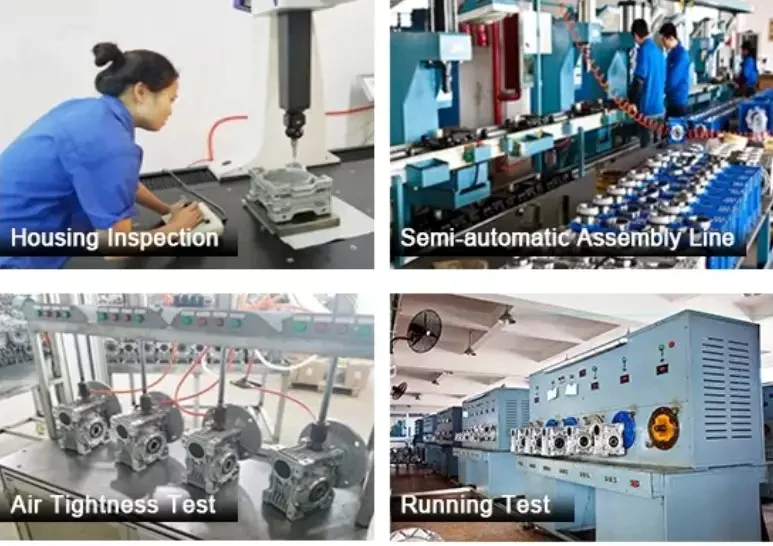
A5: Our company’s double worm reduction gearboxes are high-quality, energy-efficient, and reliable. We use advanced production equipment and testing equipment to ensure that our products meet the highest standards of quality.
Edited by Zqq.