Introduction
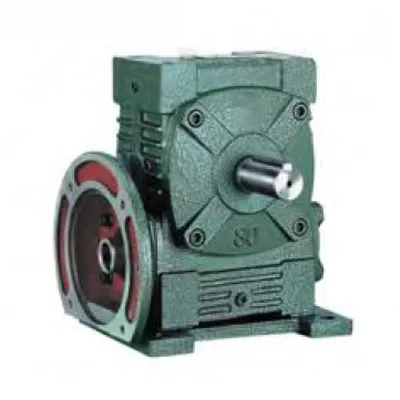
When it comes to selecting the correct gear ratio for a WP Series Cast Iron Worm Reducer, there are several factors to consider. By choosing the right gear ratio, you can optimize the performance and efficiency of your machinery. In this article, we will explore the key considerations and steps involved in determining the appropriate gear ratio for a WP Series Cast Iron Worm Reducer.
Understanding Gear Ratio
To begin with, let’s understand what gear ratio actually means. In simple terms, gear ratio refers to the ratio of the number of teeth on the driving gear to the number of teeth on the driven gear. It determines the speed and torque characteristics of the gear system. The gear ratio can be calculated by dividing the number of teeth on the driven gear by the number of teeth on the driving gear.
Factors to Consider
Choosing the correct gear ratio involves considering various factors related to the application and the specific requirements. Here are some key factors to keep in mind:
- Load requirements: Understanding the load requirements of the application is essential to determine the appropriate gear ratio. Higher loads may require a lower gear ratio to ensure sufficient torque.
- Speed requirements: The desired speed output also plays a crucial role in selecting the gear ratio. Higher speeds may require a higher gear ratio to achieve the desired output.
- Efficiency: Gear systems have inherent efficiency losses, and the gear ratio can affect the overall efficiency. It is important to strike a balance between speed and efficiency.
- Mechanical advantage: The gear ratio determines the mechanical advantage of the system, which is crucial for transmitting power effectively.
Steps to Determine the Gear Ratio
Now, let’s dive into the steps involved in determining the gear ratio for a WP Series Cast Iron Worm Reducer:
Step 1: Identify the Speed and Torque Requirements
Start by identifying the desired speed and torque requirements for your application. This will serve as the baseline for selecting the gear ratio.
Step 2: Calculate the Gear Ratio Range
Once you have the speed and torque requirements, calculate the gear ratio range by considering the maximum and minimum values that can satisfy your application’s needs.
Step 3: Evaluate Gear Efficiency
Next, evaluate the efficiency of the gear system at different gear ratios. This will help you determine the trade-off between speed and efficiency.
Step 4: Consider Gearbox Size and Cost
Take into account the physical size and cost implications of different gear ratios. Sometimes, certain gear ratios may require larger gearboxes or incur higher costs.
Step 5: Select the Optimal Gear Ratio
Based on the previous steps, choose the gear ratio that best meets your application’s requirements in terms of speed, torque, efficiency, size, and cost.
Electric Motors for Sale
Electric motors play a vital role in complementing the functionality of gearboxes. They provide the necessary power to drive the gear systems and ensure smooth operation. The relationship between gearboxes and electric motors is symbiotic, with each relying on the other for optimal performance.
Having a reliable source for electric motors is crucial when working with WP Series Cast Iron Worm Reducers. At our company, we not only specialize in producing high-quality gearboxes but also offer a wide range of electric motors for sale. Our electric motors are designed to seamlessly integrate with our gearboxes, ensuring optimal performance and efficiency.

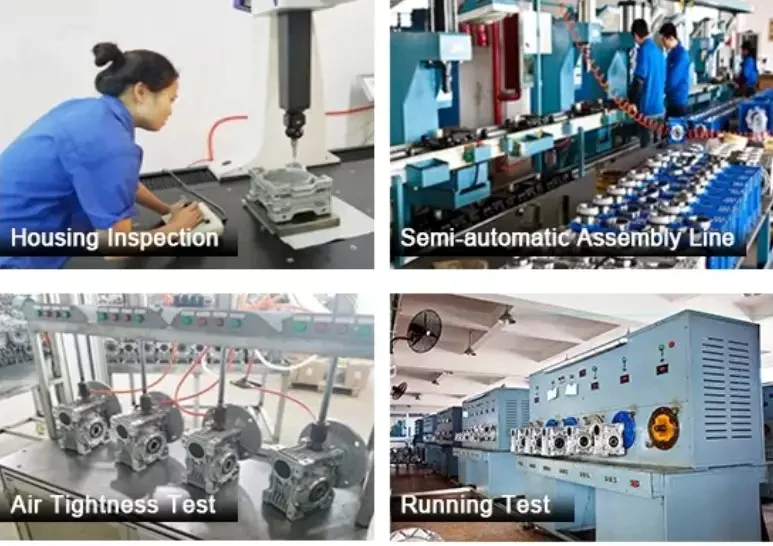
Ever-power is a leading manufacturer of cast iron worm reducers, with a strong focus on research and development, manufacturing, and sales. With over 15 years of experience, we have established ourselves as a reputable supplier in the market, serving customers across Europe, America, Africa, Asia, and more.
We take pride in our production capabilities, utilizing advanced equipment and employing industry professionals and technicians. Our commitment to innovation and standardized production management ensures that our gearboxes meet the highest standards of quality, energy efficiency, and stability.
Our gearboxes find applications in various industries, including equipment industry, food industry, car washing industry, packaging industry, transmission industry, automation industry, solar energy industry, and more. We are trusted by customers worldwide and encourage you to explore our products and contact us for your purchase needs.
Q&A Section
Q: Can I use a higher gear ratio to achieve faster speeds?
A: While it may seem logical to increase the gear ratio for faster speeds, there are limitations. Higher gear ratios can lead to increased friction and decreased efficiency, resulting in potential overheating and premature wear. It is essential to strike a balance between speed requirements and gear system limitations.
Q: How do I ensure the longevity of my WP Series Cast Iron Worm Reducer?
A: Proper maintenance is crucial for the longevity of your WP Series Cast Iron Worm Reducer. Regularly inspect and lubricate the gearbox, monitor its temperature, and address any abnormal noises or vibrations promptly. Additionally, ensure that the gear ratio is suitable for the load and speed requirements to prevent excessive strain on the system.
Q: Can I change the gear ratio of my existing WP Series Cast Iron Worm Reducer?
A: In most cases, the gear ratio of a WP Series Cast Iron Worm Reducer is fixed and cannot be easily changed. It is recommended to select the appropriate gear ratio during the initial design phase or consult with a professional if modification is required. Modifying the gear ratio without proper knowledge and expertise can lead to detrimental effects on the performance and lifespan of the gearbox.
Edited by: Zqq.