Worm reducer gearboxes play a crucial role in the transmission of power and motion in industrial machines. In harsh environments, these gearboxes need to be designed to withstand extreme temperatures, heavy loads, and chemical exposure. This article will explore the design and operation of worm reducer gearboxes in harsh environments, including their key components, materials, and lubrication systems.
Key Components of a Worm Reducer Gearbox
A worm reducer gearbox comprises several key components that work together to transmit power and motion from the input shaft to the output shaft. These components include:
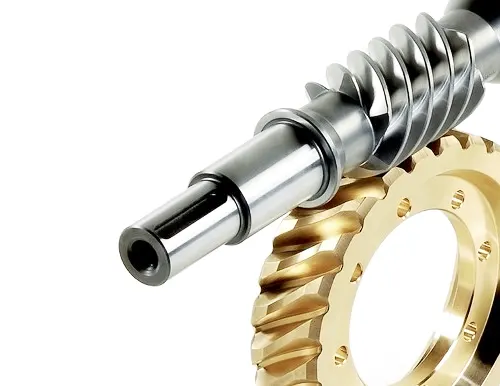
- Worm gear: a cylindrical gear with a screw-like thread that meshes with the worm wheel to drive the output shaft. The worm gear is typically made of bronze, steel, or cast iron to withstand heavy loads and high temperatures.
- Worm wheel: a gear with helical teeth that mesh with the worm gear to transfer power and motion to the output shaft. The worm wheel is usually made of bronze, cast iron, or plastic to reduce wear and friction.
- Bearing: a component that supports the rotating shafts and reduces friction between moving parts. The bearings are usually made of steel, bronze, or ceramic to withstand heavy loads and high temperatures.
- Housing: a protective casing that encloses the gearbox and prevents dust, moisture, and other contaminants from entering. The housing is typically made of cast iron, aluminum, or steel to provide durability and strength.
These components work together to transmit power and motion smoothly and efficiently from the input shaft to the output shaft.
Materials Used in Worm Reducer Gearboxes
Worm reducer gearboxes are designed to operate in harsh environments, which means they need to be made of materials that can withstand extreme temperatures, heavy loads, and chemical exposure. Some of the most common materials used in worm reducer gearboxes include:
- Cast iron: a strong and durable material that can withstand high temperatures and heavy loads. It is commonly used in the housing and worm gear of a gearbox.
- Steel: a hard and tough material that can withstand heavy loads and resist wear and tear. It is commonly used in the bearings and shafts of a gearbox.
- Bronze: a corrosion-resistant material that can withstand high temperatures and heavy loads. It is commonly used in the worm wheel and bearings of a gearbox.
- Plastic: a lightweight and corrosion-resistant material that can reduce wear and friction. It is commonly used in the worm wheel and other components of a gearbox.
The choice of materials depends on the specific requirements of the application, such as the operating temperature, load capacity, and chemical exposure.
Lubrication Systems for Worm Reducer Gearboxes
Worm reducer gearboxes need to be lubricated to prevent wear and tear on the moving components and reduce friction between parts. Lubrication also helps to dissipate heat and prevent corrosion. There are two main types of lubrication systems used in worm reducer gearboxes:
- Gear oil: a thick and viscous oil that is commonly used in worm reducer gearboxes. It provides good lubrication and reduces wear and friction between the moving components.
- Grease: a semi-solid lubricant that is commonly used in applications where gear oil cannot be used, such as in food processing or pharmaceutical industries. Grease provides good lubrication and prevents contamination of the product.
The lubrication system needs to be designed to provide adequate lubrication to all the moving components of the gearbox, including the bearings, worm gear, and worm wheel. The lubrication system also needs to be designed to withstand the operating conditions of the application, such as the operating temperature and chemical exposure.
Electric Motors for Sale
Worm reducer gearboxes and electric motors are essential components of industrial machines. Without reliable and efficient gearboxes and motors, machines cannot operate effectively in harsh environments. At Ever-power, we offer a wide range of high-quality and durable worm reducer gearboxes and electric motors that are designed to meet the specific requirements of our customers.
Our worm reducer gearboxes are made of high-quality materials that can withstand extreme temperatures, heavy loads, and chemical exposure. We use advanced lubrication systems to ensure that our gearboxes operate smoothly and efficiently in any environment. Our electric motors are designed to provide reliable and efficient power to industrial machines, with a wide range of sizes and power ratings to meet the needs of any application.
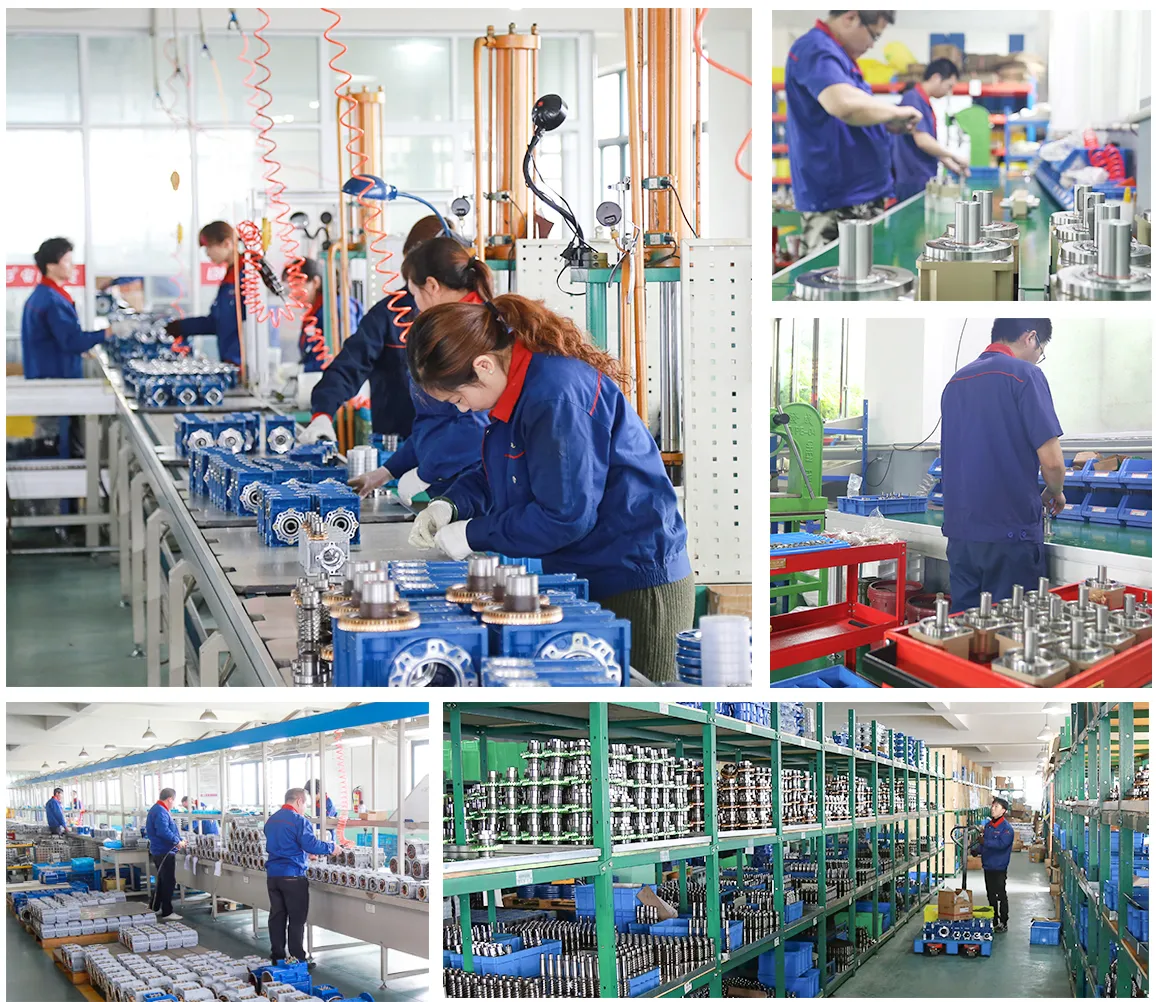
As a comprehensive transmission equipment manufacturer, we are committed to providing our customers with the best products and services. Our production facilities are equipped with advanced equipment and technology to ensure that our gearboxes and motors are of the highest quality. We have a team of experienced professionals and technicians who are dedicated to providing innovative solutions to our customers. We serve customers in Europe, America, Africa, Asia, and other regions, and have earned a reputation for providing high-quality products at competitive prices.
If you are looking for reliable and efficient worm reducer gearboxes or electric motors, please contact us to explore our products and services. We are committed to helping our customers achieve their goals and succeed in their industries.

Q&A
Q: What is the maximum temperature that a worm reducer gearbox can withstand?
A: The maximum temperature that a worm reducer gearbox can withstand depends on the specific materials and lubrication system used. Cast iron gearboxes can withstand temperatures up to 200¡ãC, while aluminum gearboxes can withstand temperatures up to 150¡ãC. Lubrication systems also need to be designed to withstand the operating temperature of the gearbox.
Q: What are the main factors that affect the load capacity of a worm reducer gearbox?
A: The load capacity of a worm reducer gearbox depends on several factors, including the size and strength of the components, the operating temperature, the lubrication system, and the type of application. Heavy loads and high temperatures can reduce the load capacity of a gearbox, while effective lubrication and proper maintenance can help to increase the load capacity.
Q: How often should the lubrication in a worm reducer gearbox be changed?
A: The frequency of lubrication changes depends on the specific application and operating conditions of the gearbox. In general, gear oil should be changed every 6 to 12 months, while grease should be changed every 12 to 18 months. However, in harsh environments or applications with heavy loads or high temperatures, the lubrication may need to be changed more frequently.
Edited by: Zqq.