Stepless speed variators, also known as variable speed drives, are essential components in many industrial machines and equipment. They provide the ability to vary the speed of a motor continuously, which can have a significant impact on overall equipment reliability. In this article, we will explore the ways in which stepless speed variators affect equipment reliability, as well as their advantages and disadvantages.
What are Stepless Speed Variators?
A stepless speed variator is a device that regulates the speed and torque of an electric motor. It does this by adjusting the frequency of the electrical power supplied to the motor, which in turn changes the motor’s speed. Unlike traditional fixed-speed drives, stepless speed variators can provide infinitely variable speeds, making them ideal for applications that require precise speed control.
Advantages of Stepless Speed Variators
One of the main advantages of stepless speed variators is their ability to improve equipment reliability. By regulating the speed of the motor, stepless speed variators can reduce the wear and tear on mechanical components, such as gears, bearings, and couplings. This can lead to longer equipment life and reduced maintenance costs.
Another advantage of stepless speed variators is their energy efficiency. By adjusting the speed of the motor to match the load, stepless speed variators can reduce energy consumption and save money on electricity bills. In addition, they can help reduce the impact of high starting currents on equipment and prevent damage to electrical systems.
Disadvantages of Stepless Speed Variators
Despite their many advantages, stepless speed variators also have some disadvantages. One of the main concerns is the potential for electromagnetic interference (EMI). Stepless speed variators generate high-frequency noise and can interfere with other electronic devices in the vicinity. This can be mitigated with proper grounding and shielding techniques, but it is still a consideration.
Another potential disadvantage of stepless speed variators is their initial cost. They are generally more expensive than traditional fixed-speed drives, which can be a barrier to adoption for some companies. However, the long-term energy savings and improved equipment reliability can outweigh the initial investment.
Impact on Overall Equipment Reliability
Stepless speed variators can have a significant impact on overall equipment reliability. By reducing wear and tear on mechanical components and improving energy efficiency, they can help extend the life of equipment and reduce maintenance costs. However, it is important to choose the right type of stepless speed variator for your application and to properly install and maintain it to ensure optimal performance.
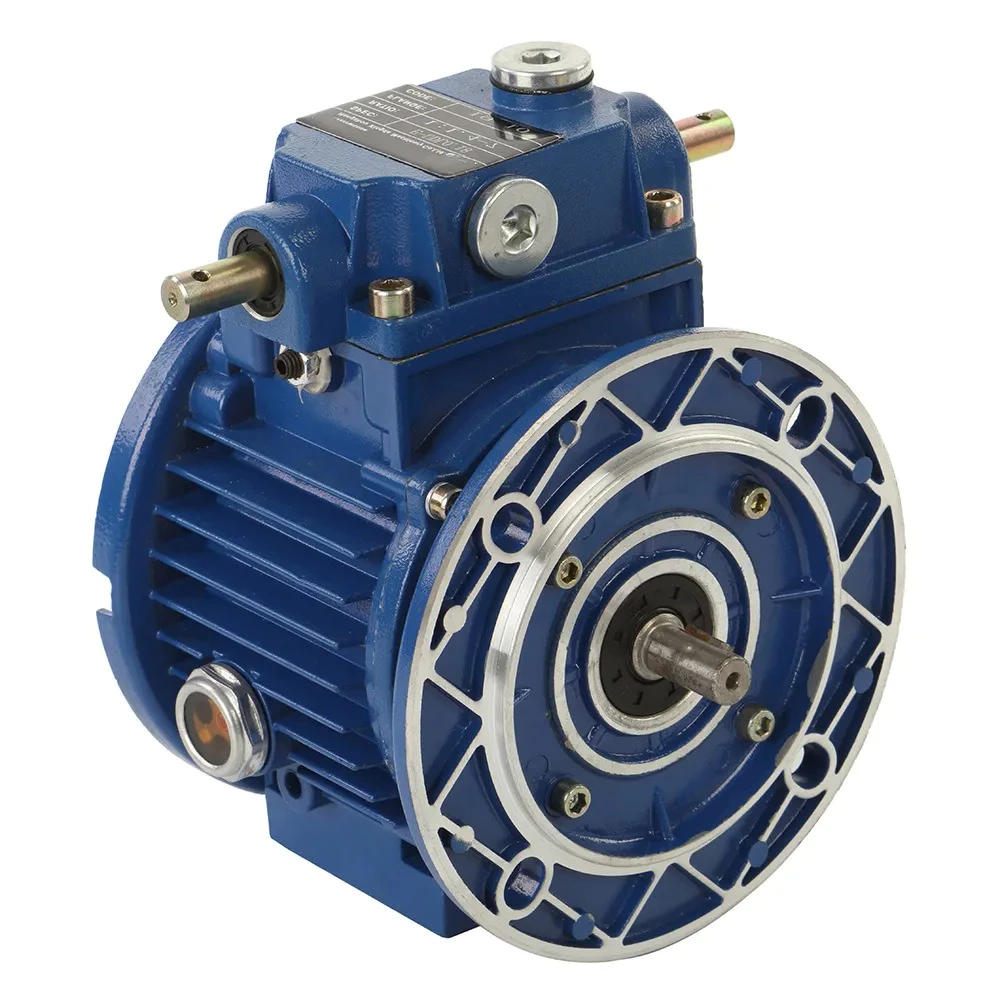
The Relationship Between Electric Motors and Stepless Speed Variators
Electric motors and stepless speed variators are inherently connected. Stepless speed variators provide precise speed control for electric motors, which can improve energy efficiency and reduce wear and tear on equipment. In turn, electric motors provide the power necessary for stepless speed variators to operate. Together, they form a critical component of many industrial machines and equipment.
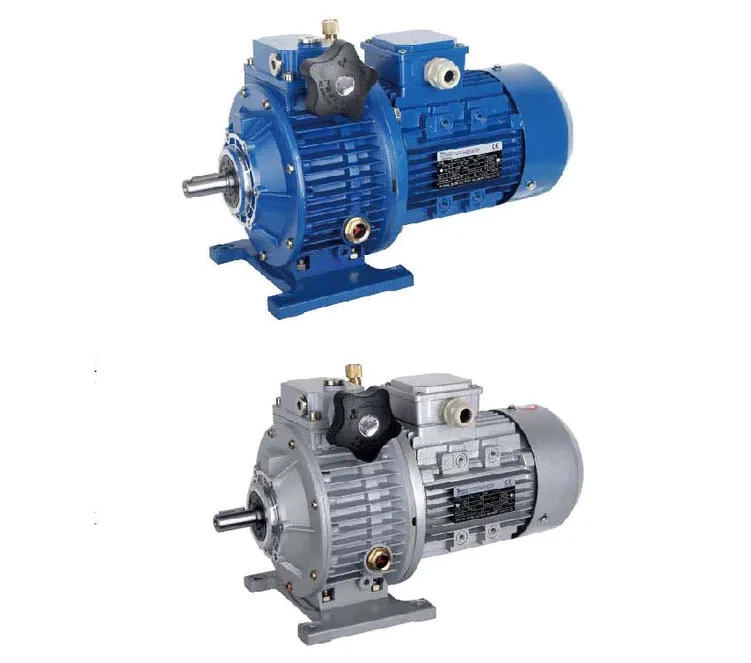
At Ever Power, we offer a wide range of electric motors for sale that are compatible with our stepless speed variators. Our motors are designed for reliability, efficiency, and durability, and come in a variety of sizes and configurations to meet the needs of your application. Contact us today to learn more about our products and how they can benefit your business.
Introduction to Ever Power
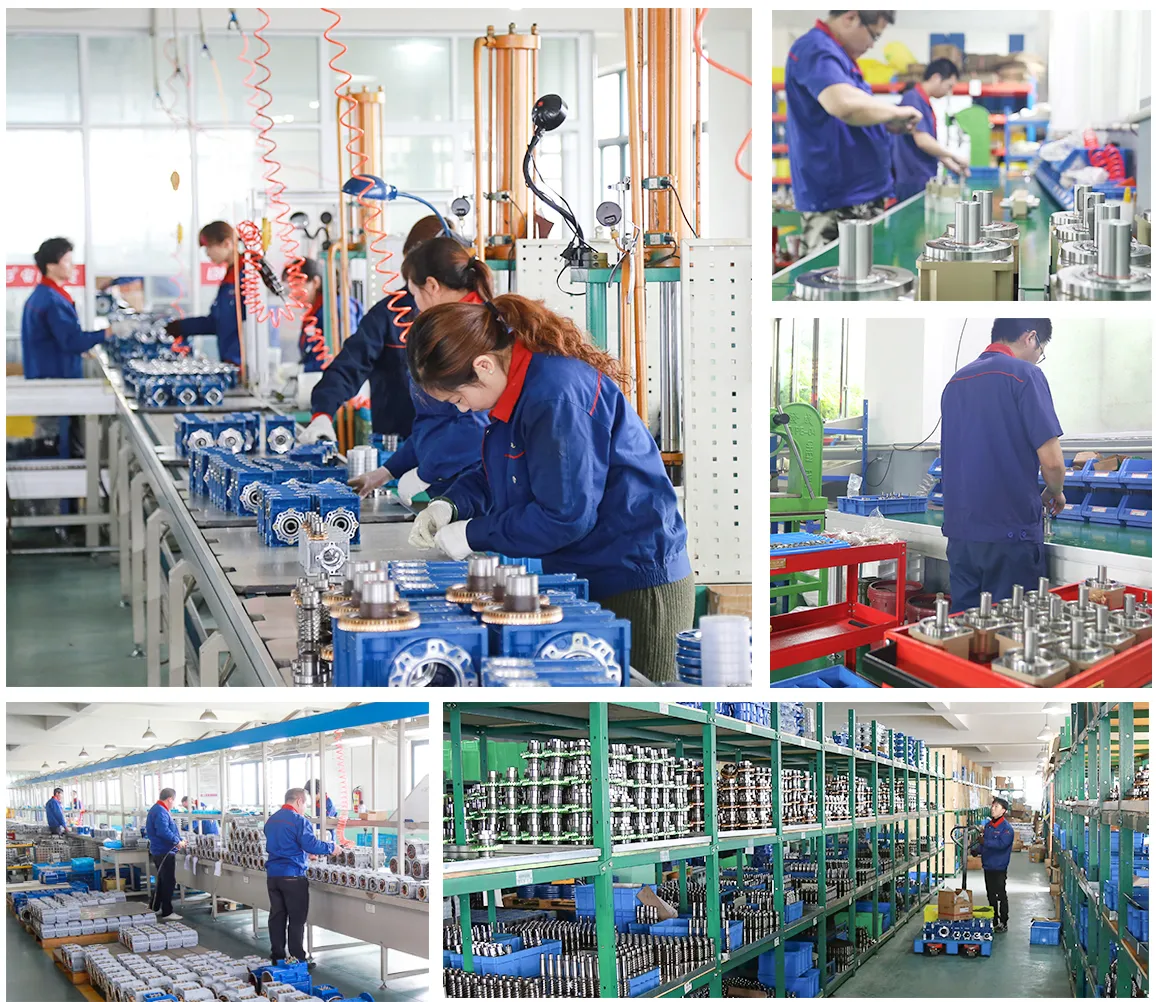
Ever Power is a leading manufacturer of transmission equipment, specializing in the design, production, manufacture, and sales of speed reducers. With over 15 years of experience, we have established ourselves as a trusted provider of high-quality transmission solutions for customers around the world.
Our gearboxes are widely used in a variety of industries, including equipment, food, car washing, packaging, transmission, automation, and solar energy. We pride ourselves on our commitment to innovation, quality, and customer service, and are dedicated to providing the best products at the most competitive prices.
Q&A Section
Q: What is the difference between a stepless speed variator and a variable frequency drive?
A: While the terms are often used interchangeably, there is a slight difference between a stepless speed variator and a variable frequency drive. A stepless speed variator is a type of variable frequency drive that provides precise, stepless speed control. However, some variable frequency drives only offer a limited number of discrete speed settings, which is not as precise as a stepless speed variator.
Q: Can stepless speed variators be used with all types of electric motors?
A: Stepless speed variators can be used with most types of electric motors, including AC and DC motors. However, it is important to choose the correct type of stepless speed variator for your application and motor, and to ensure that the two are compatible.
Q: How can I ensure optimal performance from my stepless speed variator?
A: To ensure optimal performance from your stepless speed variator, it is important to choose the right type for your application, properly install and configure it, and follow the manufacturer’s recommended maintenance procedures. Regular maintenance, including cleaning and inspection of the components, can help prevent issues from arising and extend the life of your equipment.
Edited by: Zqq.