How Can You Tell if a Tensioner Pulley is Bad?
Identifying a faulty tensioner pulley in your vehicle can be a critical aspect of maintaining a smooth and efficient operation. The tensioner pulley is an integral part of your car’s serpentine belt system and, if it malfunctions, it can lead to serious mechanical issues. Therefore, understanding the signs of a bad tensioner pulley can save you from costly repairs and potential accidents.
Understanding the Role of a Tensioner Pulley
The tensioner pulley, often part of a car’s serpentine belt system, is designed to keep the belt tightly wound around other components such as the alternator, power steering pump, and air conditioning compressor. It allows the belt to maintain the correct tension, preventing it from slipping off or becoming too tight, which can cause damage to other components.
Signs of a Bad Tensioner Pulley
While every vehicle may present unique symptoms, there are common signs that can indicate a faulty tensioner pulley. These include:
1. Squealing or Grinding Noises
One of the first signs of a bad tensioner pulley is unusual noise. A worn-out or damaged tensioner pulley often makes a squealing or grinding sound. This noise typically becomes more noticeable when you start the engine or accelerate.
2. Visible Wear and Tear
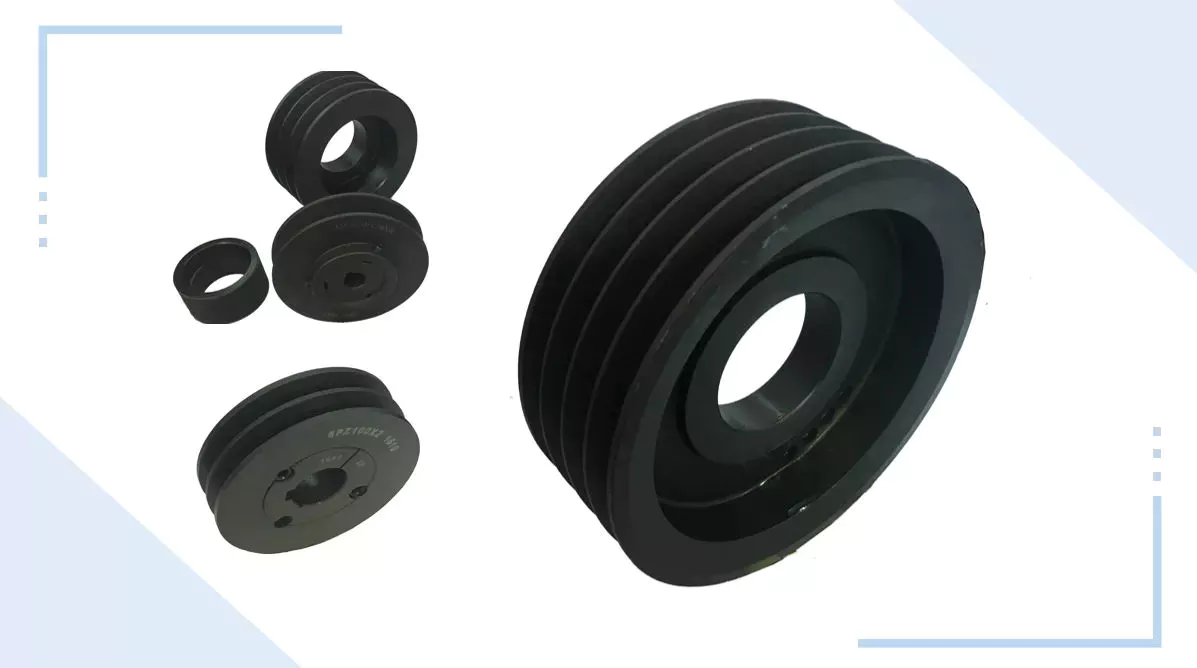
Upon inspecting the tensioner pulley, you might notice visible signs of wear and tear. These can include cracks, chips, or any other form of physical damage on the pulley. A pulley that is worn out or damaged in any way should be replaced immediately to avoid further damage to the belt or other components.
3. Unusual Belt Wear
If the tensioner pulley is not functioning correctly, the belt might show signs of uneven or premature wear. This could be due to the pulley not maintaining the correct tension on the belt, causing it to wear out faster in certain areas.
4. Decrease in Power or Performance
A faulty tensioner pulley can also lead to a decrease in your car’s performance. If the belt is not able to maintain the correct tension, it can slip off or become too tight, affecting the functioning of other components like the alternator or power steering pump. This can result in a noticeable drop in power or overall performance of the vehicle.
Checking for a Bad Tensioner Pulley
If you suspect that your tensioner pulley might be bad, it’s important to inspect it as soon as possible. One way to do this is by visually inspecting the belt and pulley for any signs of wear and tear. Additionally, you can also listen for any unusual noises coming from the pulley, as this can often indicate a problem.
Replacing a Bad Tensioner Pulley
If your tensioner pulley is found to be faulty, it’s crucial to replace it immediately. A bad tensioner pulley can lead to serious damage to other components of your vehicle and can even result in a breakdown. Therefore, it’s always recommended to seek the help of a professional mechanic to replace a faulty tensioner pulley.
Conclusion
Being able to identify a bad tensioner pulley is an essential part of maintaining your vehicle. By understanding the signs and symptoms, you can prevent costly repairs and keep your vehicle running smoothly. Always remember, if in doubt, it’s best to consult with a professional to ensure the longevity of your vehicle’s components and your own safety on the road.