How a Screw Car Jack Works
A screw car jack, commonly known as a mechanical jack, is an invaluable tool for drivers and mechanics alike. It’s a device that uses a screw thread for lifting heavy equipment, such as cars. Here, we’ll delve into the working principles of a screw car jack, its various components, and the safety measures that one should adhere to when using it.
The Basic Principle of a Screw Car Jack
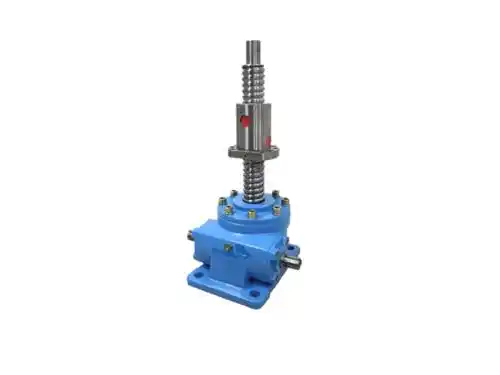
In essence, a screw car jack is a simple machine that converts rotational motion into vertical motion. This principle is based on the mechanical advantage provided by the screw thread. When the handle of the jack is turned, it rotates the screw inside the jack housing. This rotation is then transferred to the vertical lift shaft, causing it to rise and thus lift the vehicle.
Components of a Screw Car Jack
Understanding the components of a screw car jack is essential for comprehending its operation. The main parts include the base, the screw, the nut, the lifting pad, and the handle.
The base provides a solid foundation for the jack and ensures stability during operation. The screw is the heart of the jack and is responsible for the lifting action. The nut is a crucial component that moves up and down along the screw when the handle is turned, causing the lift. The lifting pad is where the car rests during the lifting operation. Lastly, the handle is used to turn the screw, providing the necessary force to lift the vehicle.
Working Mechanism of a Screw Car Jack
The working mechanism of a screw car jack is fairly straightforward. When the handle is turned, the screw rotates. As the screw rotates, it moves the nut, which is fixed to the lifting pad. The rotation of the screw causes the nut to ascend or descend along the screw, depending on the direction of rotation. This movement of the nut is what raises or lowers the lifting pad, thereby lifting or lowering the vehicle.
Usage and Safety Measures
While using a screw car jack, it’s crucial to adhere to certain safety measures. Always ensure that the car is parked on a level surface and the parking brake is engaged. The jack should be placed on solid ground, preferably concrete, and should be positioned beneath a strong part of the vehicle’s frame. Never exceed the weight limit of the jack, and always use jack stands for added security when working underneath the vehicle.
Once the car is lifted, ensure it’s stable before starting any work. Never rely solely on a car jack to support the vehicle, especially when working underneath. It’s also advisable to have a spotter nearby for additional safety.
In Conclusion
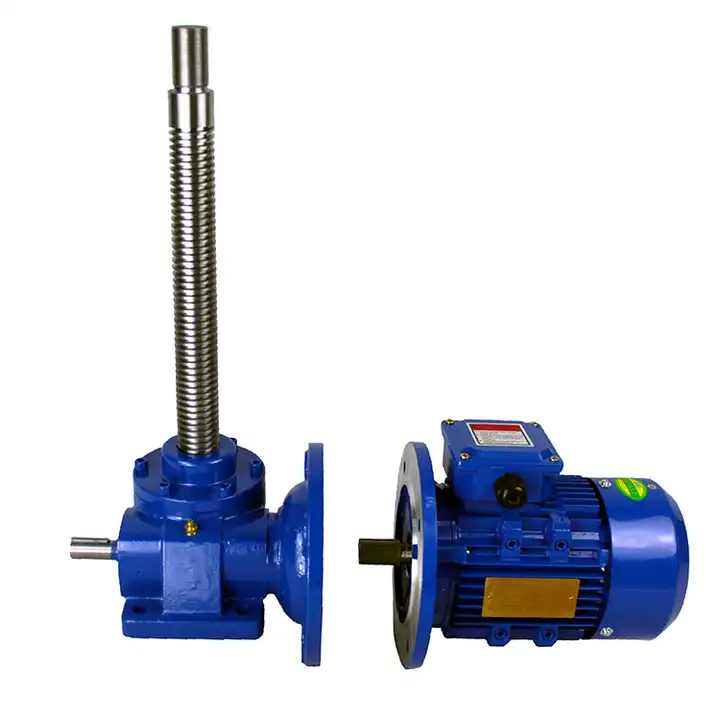
Understanding how a screw car jack works can be quite useful, especially in emergency situations. This simple device uses the basic principles of mechanics to lift heavy loads with minimal effort. However, it’s also essential to remember that safety should always be a priority when using a car jack. With the proper usage and safety measures in place, a screw car jack can be an indispensable tool for any car owner or mechanic.