The Ultimate Guide to Heavy-Duty Hydraulic Cylinders
Understanding Heavy-Duty Hydraulic Cylinders
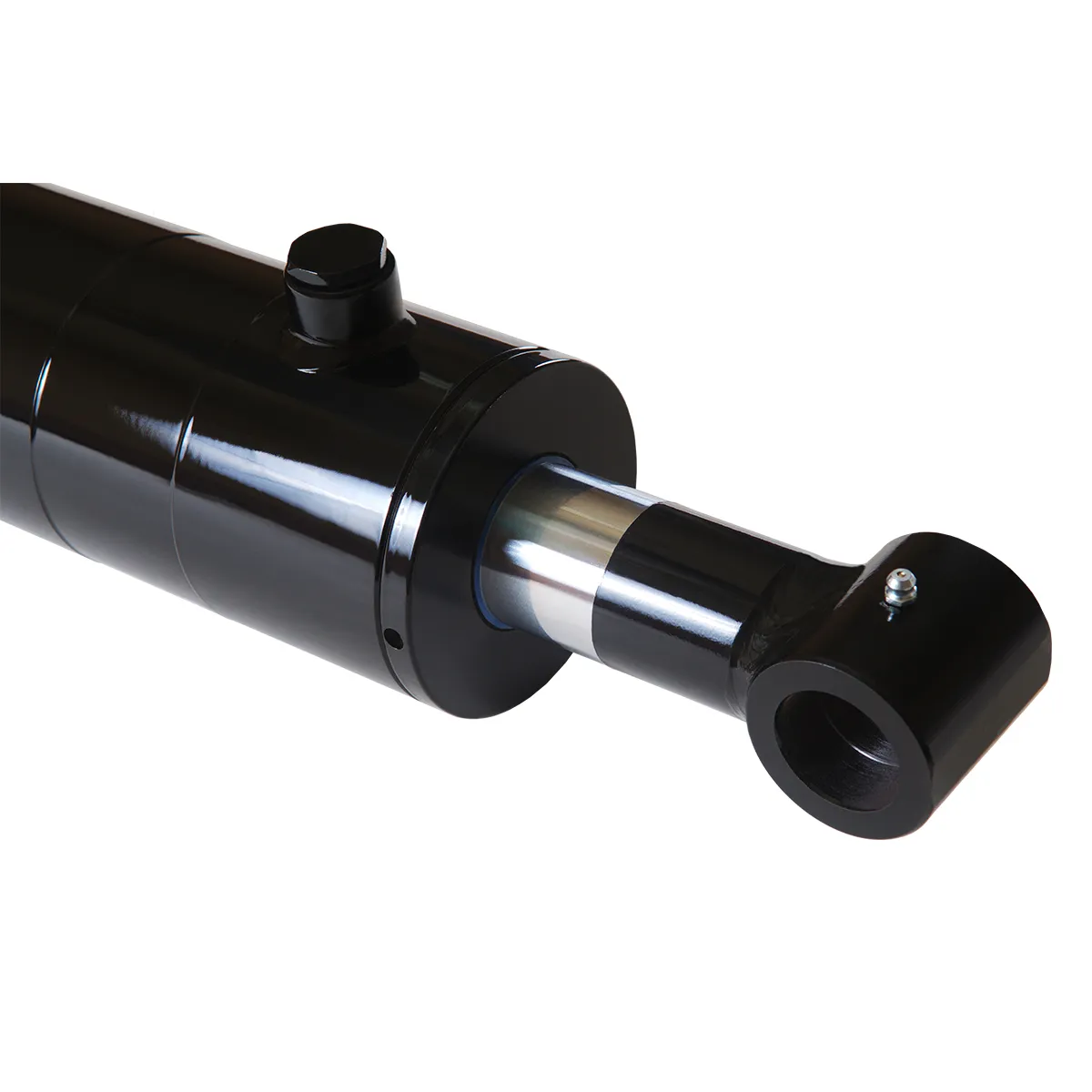
Heavy-duty hydraulic cylinders are robust mechanical devices designed to provide powerful force in various industrial applications. These cylinders are composed of a cylinder barrel, piston, piston rod, seals, and other components that work together to convert fluid power into mechanical force.
Importance and Application
Heavy-duty hydraulic cylinders play a crucial role in industries such as construction, mining, agriculture, and manufacturing. They are used in hydraulic presses, excavators, dump trucks, and other heavy machinery to perform tasks that require high force and precision.
Working Principle and Basic Operation
Heavy-duty hydraulic cylinders operate based on the principle of Pascal’s law, which states that pressure exerted on a confined fluid is transmitted undiminished in every direction. When hydraulic fluid is pumped into the cylinder, it pushes the piston, generating force to move the load.
Types and Configurations
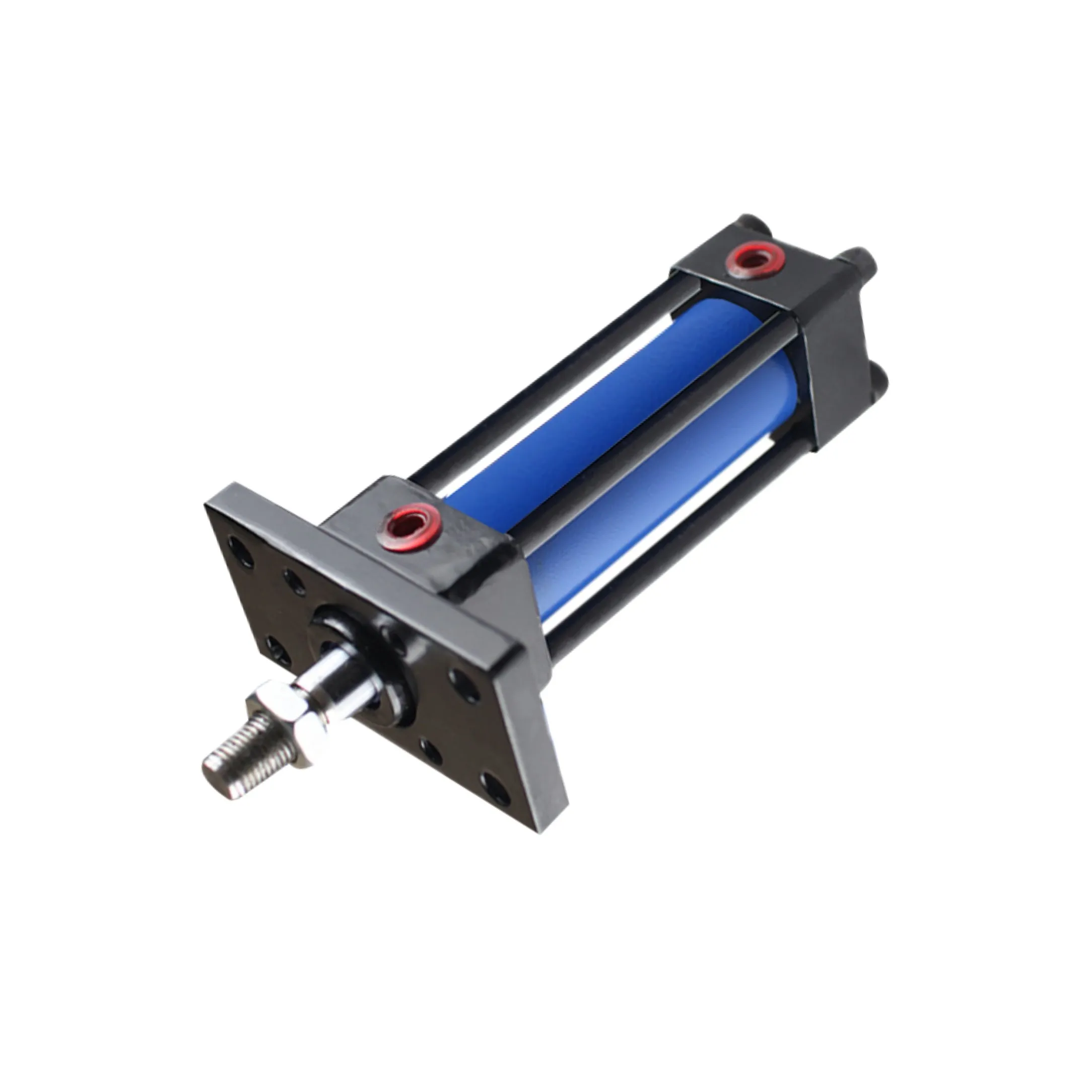
There are various types of heavy-duty hydraulic cylinders, including single-acting, double-acting, telescopic, and tie-rod cylinders. Each type offers unique advantages and is suitable for specific applications, depending on the required force and stroke length.
Advantages of Heavy-Duty Hydraulic Cylinders
- High load capacity and lifting force
- Precise control and positioning accuracy
- Durable construction for long-term reliability
- Compact design for space-saving installation
- Efficient energy utilization for cost savings
Industries Where They Are Used
Heavy-duty hydraulic cylinders are widely used in industries such as construction, mining, agriculture, marine, and aerospace. For example, in construction, these cylinders power heavy machinery like cranes and bulldozers to lift and move heavy loads with ease.
Factors Affecting Performance
- Load capacity and maximum working pressure
- Piston diameter and rod size considerations
- Cylinder stroke length and retract speed
- Seal selection and sealing mechanism
- Operating temperature range and fluid compatibility
Maintenance and Care
Regular maintenance is essential to ensure the optimal performance and longevity of heavy-duty hydraulic cylinders. By conducting routine inspections and preventive maintenance measures, you can prevent costly breakdowns and ensure smooth operation.
Installation Guide
Proper installation of heavy-duty hydraulic cylinders is critical for optimal performance. Ensure correct alignment and parallelism to prevent premature wear and ensure efficient operation of the cylinder.
Maintenance Tasks
- Cleaning: Remove dirt and debris to prevent contamination
- Lubrication: Apply lubricant to reduce friction and wear
- Checking Wear: Inspect for signs of wear and replace components as needed
Fault Diagnosis and Solutions
Common problems with heavy-duty hydraulic cylinders include leaks, slow operation, and erratic movement. By diagnosing the issue and implementing troubleshooting tips, you can quickly resolve the problem and minimize downtime.
Troubleshooting Tips
To effectively diagnose and solve problems with heavy-duty hydraulic cylinders, consider preventive measures such as regular maintenance, fluid analysis, and component inspection. By addressing issues early on, you can prevent costly repairs and ensure reliable operation.
FAQs
1. What are heavy-duty hydraulic cylinders?
Heavy-duty hydraulic cylinders are powerful mechanical devices that convert fluid power into mechanical force to perform heavy lifting and pushing tasks in various industries.
2. What industries commonly use heavy-duty hydraulic cylinders?
Industries such as construction, mining, agriculture, marine, and aerospace rely on heavy-duty hydraulic cylinders to power heavy machinery and equipment for efficient operation.
3. What factors affect the performance of heavy-duty hydraulic cylinders?
Factors such as load capacity, maximum working pressure, piston diameter, seal selection, and operating temperature range can impact the performance and efficiency of heavy-duty hydraulic cylinders.