Gear shaft surface roughness Ra value
1. Introduction
The gear shaft surface roughness Ra value is a critical parameter in the field of mechanical engineering. It plays a crucial role in determining the performance and reliability of gear systems. In this article, we will delve into the intricacies of the gear shaft surface roughness Ra value and its significance in various applications.
2. Understanding Surface Roughness
Surface roughness refers to the irregularities and deviations present on the surface of a gear shaft. It is commonly quantified using the Ra value, which represents the arithmetic average of the absolute values of the surface deviations from the mean line within a specified sampling length.
3. Importance of Ra Value
The Ra value provides valuable insights into the quality and functionality of gear shafts. It affects several key aspects, including:
- Gear Performance: The Ra value directly influences the efficiency and smoothness of gear transmission, as a rough surface can lead to increased friction and energy losses.
- Noise and Vibration: Higher Ra values can contribute to excessive noise and vibrations during gear operation, impacting overall system performance and user experience.
- Lubrication: Surface roughness affects the effectiveness of lubrication, with higher Ra values potentially leading to inadequate lubricant distribution and increased wear.
4. Measurement Techniques
Accurately determining the Ra value of a gear shaft requires specialized measurement techniques, such as:
- Profiling Instruments: These instruments utilize a stylus to measure the surface deviations and calculate the Ra value.
- Optical Interferometry: This non-contact method uses light interference patterns to analyze the surface roughness and obtain the Ra value.
- Atomic Force Microscopy: With its nanoscale resolution, AFM can provide highly detailed surface roughness data, including the Ra value.
5. Surface Roughness Standards
Various international standards and guidelines exist to ensure consistency and comparability in surface roughness measurements. Commonly used standards include:
- ISO 4287: This standard specifies the parameters for assessing surface texture, including the Ra value.
- ASME B46.1: It provides guidelines for measuring and specifying surface roughness, encompassing the Ra value.
- JIS B 0601: This Japanese standard defines the terminology and measurement methods for surface roughness, including the Ra value.
6. Effects of Ra Value on Gear Performance
The Ra value significantly impacts gear performance, as discussed below:
- Load Carrying Capacity: Higher Ra values can reduce the load-carrying capacity of gear teeth, leading to premature wear and failure.
- Surface Fatigue: Elevated Ra values increase the likelihood of surface fatigue, which can cause pitting and tooth breakage.
- Gear Efficiency: By minimizing surface roughness, a lower Ra value enhances gear efficiency by reducing frictional losses and improving power transmission.
7. Surface Treatment Techniques
To optimize the Ra value and enhance gear performance, various surface treatment techniques can be employed:
- Grinding and Polishing: These processes remove surface irregularities and improve the Ra value, resulting in smoother gear operation.
- Chemical Etching: By selectively dissolving material, chemical etching can modify the surface roughness and achieve the desired Ra value.
- Coatings: Applying specialized coatings can reduce surface roughness and enhance the Ra value, enhancing gear durability and performance.
8. Conclusion
The gear shaft surface roughness Ra value plays a crucial role in determining the functionality and reliability of gear systems. By understanding its significance and employing appropriate measurement techniques and surface treatment methods, engineers can optimize gear performance, minimize noise and vibration, and improve overall system efficiency.
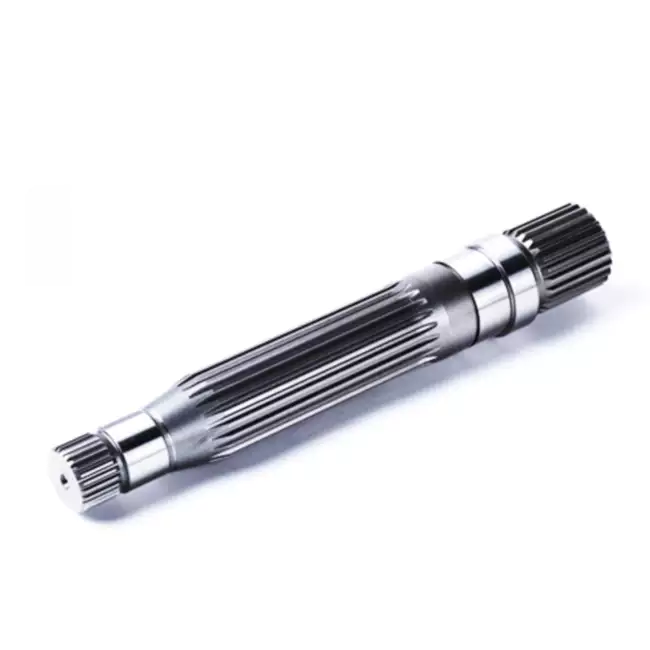
Our company specializes in the production and sales of various types of gears and gear shafts. With a wealth of experience and expertise in the industry, we are well-positioned to meet the needs of our customers. Here are five advantages that set our company apart:
- High-Quality Products: We pride ourselves on manufacturing gears and gear shafts that meet the highest standards of quality and reliability.
- Advanced Technology: Our state-of-the-art equipment and cutting-edge technology enable us to produce gear shafts with precision and efficiency.
- Customization Options: We understand that each customer may have unique requirements. That’s why we offer customization services to tailor our gear shafts to specific applications.
- Competitive Pricing: Despite our commitment to quality, we strive to offer competitive pricing that provides value for our customers.
- Excellent Customer Service: Our dedicated team of professionals is always ready to provide technical support and assistance throughout the entire process, ensuring a smooth and satisfactory experience.
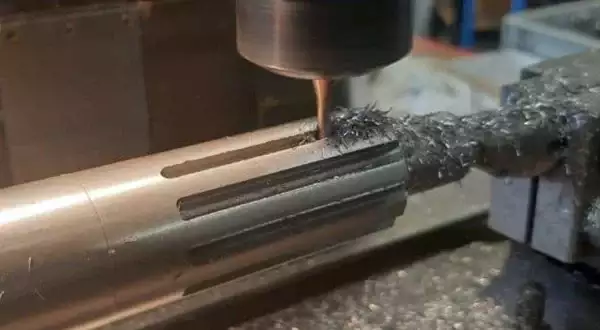
The Importance of Gear Shafts in Mechanical Transmission Systems
Gear shafts play a crucial role in mechanical transmission systems. They serve as the connecting link between gears, transmitting torque and rotational motion. Without properly functioning gear shafts, the efficiency and performance of the entire system can be compromised.
Material Selection and Design Considerations for Gear Shafts
When it comes to gear shafts, selecting the right materials and design is essential for optimal performance and durability. Factors to consider include:
- Strength and Hardness: Gear shafts need to withstand high loads and resist wear. Choosing materials with sufficient strength and hardness is crucial.
- Fatigue Resistance: Gear shafts experience cyclic loading, which can lead to fatigue failure. Materials with good fatigue resistance should be chosen.
- Machinability: The ease of machining the chosen material is important for efficient production processes.
- Heat Treatment Capability: Some materials may require heat treatment to enhance their mechanical properties and durability.
- Dimensional Stability: The material should exhibit good dimensional stability to maintain the accuracy and performance of the gear shaft.
Manufacturing Processes for Gear Shafts
Our gear shafts undergo various manufacturing processes to ensure their quality and performance:
Cutting Processes:
- Turning: This process involves removing excess material and shaping the gear shaft using a lathe.
- Milling: Milling machines are used to create grooves, keyways, and other intricate features on the gear shaft.
- Grinding: Precision grinding is employed to achieve the desired surface finish and dimensional accuracy.
Heat Treatment:
- Quenching: Gear shafts are heated and rapidly cooled to increase their hardness and strength.
- Tempering: This process helps reduce the brittleness of quenched gear shafts and improve their toughness.
- Carburizing: Gear shafts can be carburized to enhance their wear resistance by introducing carbon into the surface layer.
Special Processes:
- Gear Rolling: Rolling machines are used to form gear teeth, ensuring high precision and superior meshing characteristics.
- Gear Shaving: Shaving machines remove a thin layer of material from the gear teeth to improve their surface finish and reduce noise.
Application Cases and Failure Analysis of Gear Shafts
Gear shafts find application in various industries, including automotive, aerospace, and industrial machinery. However, like any mechanical component, they can experience failures. Understanding the common causes of failure, such as excessive loading or inadequate lubrication, allows for preventive measures to be implemented.
With our company’s expertise in gear shaft manufacturing and commitment to quality, we are confident in our ability to meet your specific requirements. Contact us today to explore how we can collaborate and provide you with reliable gear shaft solutions.
Author: Miya