Gear shaft spline
Introduction
The gear shaft spline is a crucial component in the field of mechanical engineering. It plays a significant role in transmitting torque and power between gears. In this article, we will delve into the intricacies of gear shaft splines and explore their various applications and design considerations.
What is a gear shaft spline?
A gear shaft spline is a series of ridges or teeth that are machined onto the outer surface of a gear shaft. These teeth are precisely cut to mesh with corresponding teeth on other gears or splined components, allowing for efficient power transmission. The spline design ensures a secure and reliable connection between the gear shaft and other mating parts.
Types of gear shaft splines
1. Involute spline: This type of spline has teeth with an involute curve profile, resulting in smooth and uniform contact between mating gears. It offers high torque transmission capacity and is commonly used in automotive and industrial applications.
2. Straight-sided spline: In this design, the teeth have straight sides, allowing for easy manufacturing and assembly. Straight-sided splines are often employed in lighter-duty applications where cost-effectiveness is crucial.
3. Helical spline: Helical splines have teeth with a helical shape, providing increased contact area and load-bearing capacity. This design is suitable for applications that require high torque transmission while minimizing noise and vibration.
Applications of gear shaft splines
1. Automotive industry: Gear shaft splines are extensively used in automobile transmissions, allowing for smooth power transfer between different gears.
2. Industrial machinery: Gear shaft splines find application in various industrial machinery, such as pumps, compressors, and power tools, where torque transmission is critical.
3. Aerospace industry: In aircraft and spacecraft, gear shaft splines are utilized for precise power transmission in systems like landing gears and actuators.
Design considerations for gear shaft splines
1. Material selection: The choice of material for gear shaft splines depends on factors like load requirements, operating conditions, and cost considerations. Common materials include steel alloys, stainless steel, and heat-treated carbon steels.
2. Spline profile and fit: The selection of spline profile and fit is crucial to ensure proper load distribution and minimize backlash. Factors like spline pressure angle, tooth engagement, and clearance must be considered during the design process.
3. Lubrication and maintenance: Adequate lubrication is essential to reduce friction and wear between gear shaft splines. Regular maintenance and inspection help identify any signs of damage or misalignment, ensuring the optimal performance and longevity of the spline system.
Conclusion
In conclusion, gear shaft splines are indispensable components for efficient power transmission in various industries. Understanding their different types, applications, and design considerations is vital for engineers and designers working with gear systems. By incorporating the right spline design and adhering to proper maintenance practices, the gear shaft spline can contribute to enhanced efficiency and durability in mechanical systems.
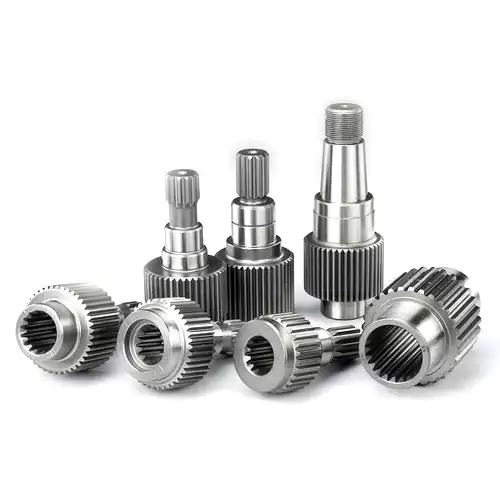
Our company specializes in the production and sale of various types of gears and gear shafts. With years of experience in the industry, we have established ourselves as a leading manufacturer and supplier in the market. Here are five key advantages of choosing our company:
1. Superior Quality
At our company, we are committed to delivering gears and gear shafts of the highest quality. We adhere to strict quality control processes throughout the manufacturing process to ensure that each product meets the highest standards.
2. Customization Options
We understand that different applications require specific gear shaft designs. That’s why we offer a range of customization options, allowing our customers to choose the right dimensions, materials, and specifications for their specific needs.
3. Competitive Pricing
Despite our commitment to quality, we offer competitive pricing for our gears and gear shafts. We believe that high-quality products should be accessible to all, and we strive to provide cost-effective solutions without compromising on quality.
4. Timely Delivery
We understand the importance of timely delivery in the industry. Our efficient production processes and streamlined logistics ensure that our products are delivered to our customers on time, every time.
5. Exceptional Customer Service
Customer satisfaction is our top priority. Our dedicated team of professionals is always ready to assist our customers with any inquiries or concerns they may have. We provide prompt and reliable customer support to ensure a seamless experience for our valued clients.
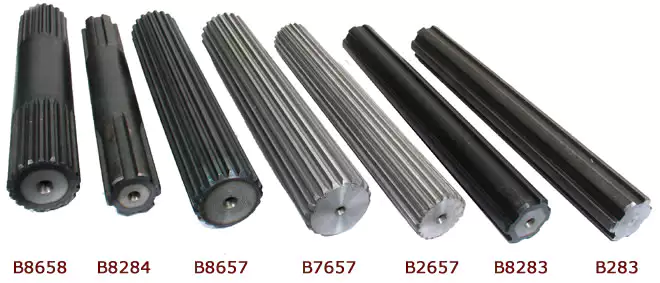
The Importance of Gear Shafts in Mechanical Transmission Systems
Gear shafts play a crucial role in mechanical transmission systems. They are responsible for transmitting torque and rotational motion between gears, ensuring smooth and efficient power transfer. Without properly functioning gear shafts, mechanical systems would fail to operate effectively.
Materials and Selection Criteria for Gear Shafts
When it comes to gear shafts, selecting the right materials is essential to ensure durability and performance. Some key considerations for material selection include:
1. Strength and Hardness
Gear shafts need to withstand high loads and resist wear. Therefore, materials with high strength and hardness, such as alloy steels, are commonly used.
2. Fatigue Resistance
Gear shafts are subjected to repeated cyclic loading, which can lead to fatigue failure. Materials with excellent fatigue resistance, such as case-hardened steels, are preferred for gear shaft manufacturing.
3. Machinability
Choosing materials with good machinability is important to ensure efficient and cost-effective manufacturing processes. Commonly used materials, such as carbon steels and alloy steels, offer good machinability.
Design Considerations for Gear Shafts
When designing gear shafts, several factors should be taken into account to ensure optimal performance and longevity:
1. Shaft Diameter and Length
The diameter and length of the shaft should be carefully determined based on the torque requirements, load conditions, and available space in the mechanical system.
2. Shaft Tolerance and Surface Finish
Precise tolerances and smooth surface finishes are crucial for proper gear engagement and reduced friction. These factors contribute to the overall efficiency and lifespan of the gear shaft.
3. Keyway and Spline Design
If keyways or splines are required for gear shaft connections, their design should be carefully considered to ensure optimal torque transmission and alignment.
Our Gear Shaft Manufacturing Process
Our gear shafts are manufactured using a combination of cutting-edge processes to ensure the highest quality and performance:
1. Cutting Processes: Turning, Milling, Grinding
We employ precision cutting processes such as turning, milling, and grinding to achieve the desired dimensions, surface finish, and accuracy of our gear shafts.
2. Heat Treatment: Quenching, Tempering, Carburizing
To enhance the strength and durability of our gear shafts, we subject them to heat treatment processes such as quenching, tempering, and carburizing. These processes optimize the material properties and improve wear resistance.
3. Specialized Processes: Gear Hobbing, Shaving
For specific gear shaft designs, we utilize specialized processes such as gear hobbing and shaving to ensure precise tooth profiles and optimal gear meshing.
Applications and Failure Analysis of Gear Shafts
Gear shafts find extensive applications in various industries, including automotive, aerospace, and heavy machinery. However, like any mechanical component, they can experience failures due to factors such as excessive loads, poor lubrication, or material fatigue.
By analyzing the failure modes and causes, we can implement preventive measures to enhance the reliability and longevity of gear shafts in different applications.
Partner with us for superior quality gear shafts that meet your specific requirements. Our expertise, dedication to customer satisfaction, and industry-leading manufacturing processes make us the ideal choice for all your gear shaft needs.
Author: Miya