Gear Shaft Shaft-End Modifications
Introduction
Gear shaft shaft-end modifications play a crucial role in optimizing the performance and functionality of gear systems. Understanding the various modifications available and their impact on gear shafts is essential for engineers and designers in the field. This article will explore the different aspects of gear shaft shaft-end modifications, highlighting their significance and potential applications.
Types of Gear Shaft Shaft-End Modifications
1. Fillet Radius
The fillet radius is one of the key aspects to consider when modifying gear shaft shaft-ends. It refers to the curvature at the transition between the shaft and the gear. By adjusting the fillet radius, engineers can improve stress distribution, reduce stress concentration, and enhance the overall strength of the gear shaft.
2. Chamfer
Chamfers are beveled edges applied to the shaft-end of gear shafts. They serve multiple purposes, including easing assembly, reducing stress risers, and improving the efficiency of power transmission. Additionally, chamfers help prevent damage during gear engagement and disengagement processes.
3. Keyway
A keyway is a slot cut into the gear shaft shaft-end to accommodate a key that connects the shaft with other components, such as gears or pulleys. This modification ensures proper alignment and torque transmission, preventing slippage and improving the overall reliability of the gear system.
4. Threaded End
Threaded ends are often used in gear shafts to facilitate the attachment of nuts, bolts, or other fasteners. This modification provides a secure connection, allowing for easy assembly and disassembly processes. Moreover, threaded ends offer the flexibility to adapt to different mechanical systems or components.
5. Taper
Taper modifications involve gradually reducing the diameter of the gear shaft shaft-end. This modification facilitates easy fitting of components and provides better concentricity. Tapered shaft-ends also help in achieving proper alignment, minimizing vibration, and improving the overall efficiency of the gear system.
The Importance of Gear Shaft Shaft-End Modifications
Gear shaft shaft-end modifications are crucial for optimizing the performance, durability, and reliability of gear systems. These modifications offer several benefits, including:
1. Enhanced Load Distribution
By carefully selecting and applying the appropriate modifications, engineers can ensure a more uniform distribution of loads along the gear shaft. This helps prevent stress concentration and extends the lifespan of the gear system.
2. Improved Efficiency
Optimized gear shaft shaft-ends reduce friction, improve power transmission, and minimize energy losses. These modifications enable gear systems to operate more efficiently, resulting in reduced energy consumption and improved overall performance.
3. Increased Longevity
Properly modified gear shaft shaft-ends reduce the risk of premature wear and failures. By minimizing stress concentrations and optimizing load distribution, these modifications enhance the gear system’s durability and increase its lifespan.
4. Enhanced System Flexibility
Gear shaft shaft-end modifications, such as threaded ends and keyways, provide flexibility in terms of component attachment and system customization. This allows engineers to adapt the gear system to different requirements and easily replace or upgrade components as needed.
Conclusion
Gear shaft shaft-end modifications play a vital role in optimizing gear system performance and functionality. By carefully considering and implementing the appropriate modifications, engineers can enhance load distribution, improve efficiency, increase longevity, and achieve system flexibility. Understanding the various types of modifications and their benefits empowers engineers to design gear systems that meet specific requirements and deliver exceptional performance.
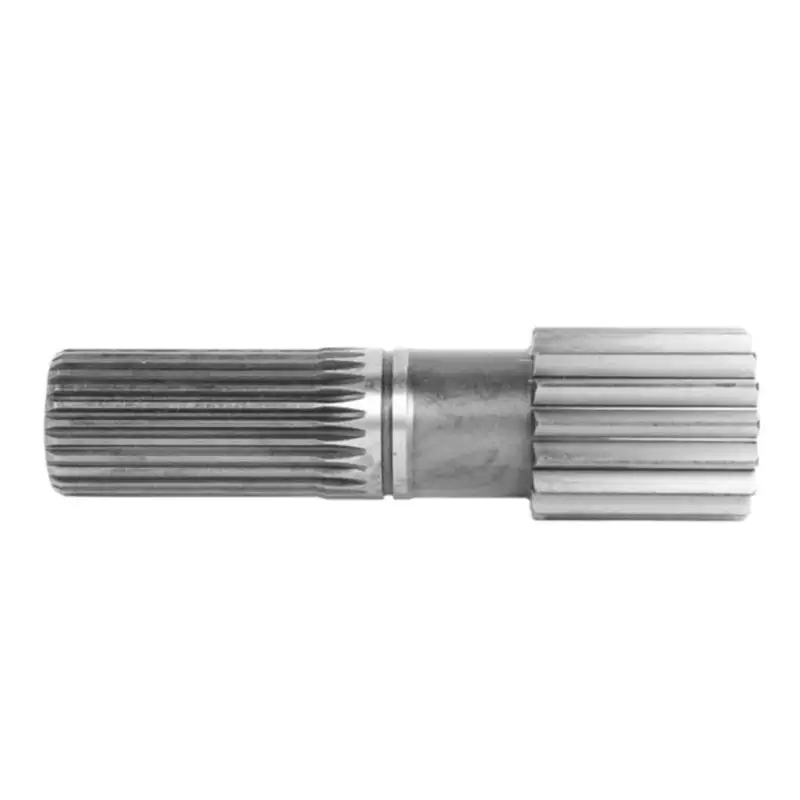
Our company specializes in the production and sale of various types of gears and gear shafts. With years of experience in the industry, we are proud to offer several advantages that set us apart from the competition:
Advantages of Choosing Our Gear Shafts:
- High-Quality Materials: We only use top-grade materials for our gear shafts, ensuring durability and reliability.
- Precision Engineering: Our gear shafts are meticulously crafted with advanced manufacturing techniques to guarantee optimal performance.
- Customization Options: We understand that different applications require specific modifications. We offer a wide range of gear shaft customization options to meet our customers’ unique needs.
- Extensive Industry Knowledge: Our team of experts possesses in-depth knowledge of gear shafts and their applications. We provide valuable insights and recommendations to help our clients make informed decisions.
- Exceptional Customer Service: We take pride in delivering excellent customer service, offering prompt assistance and support throughout the entire purchase process.
The Importance of Gear Shafts in Mechanical Transmission Systems
Gear shafts play a crucial role in mechanical transmission systems. They are responsible for transmitting power and torque between rotating components, ensuring the efficient transfer of motion. Without properly functioning gear shafts, the entire machinery’s performance and reliability can be compromised.
Materials and Selection Criteria for Gear Shafts
When selecting materials for gear shafts, several factors must be considered. These include:
- Strength and Durability: Gear shafts must be able to withstand high loads and resist wear and fatigue over time.
- Machinability: The chosen material should be easy to machine, allowing for precise modifications and customization.
- Cost-effectiveness: Balancing performance and cost is crucial in selecting the most suitable material for gear shafts.
Design Considerations for Gear Shafts
Designing gear shafts involves careful consideration of various factors:
- Gear Type and Configuration: The gear type and arrangement determine the specific design requirements for the shaft.
- Shaft Diameter and Length: The dimensions of the shaft must be chosen to accommodate the intended application’s torque and power requirements.
- Keyway and Splines: These features are incorporated into the design to ensure proper alignment and torque transmission.
Our Gear Shaft Manufacturing Process
Our gear shafts undergo a comprehensive manufacturing process, which includes:
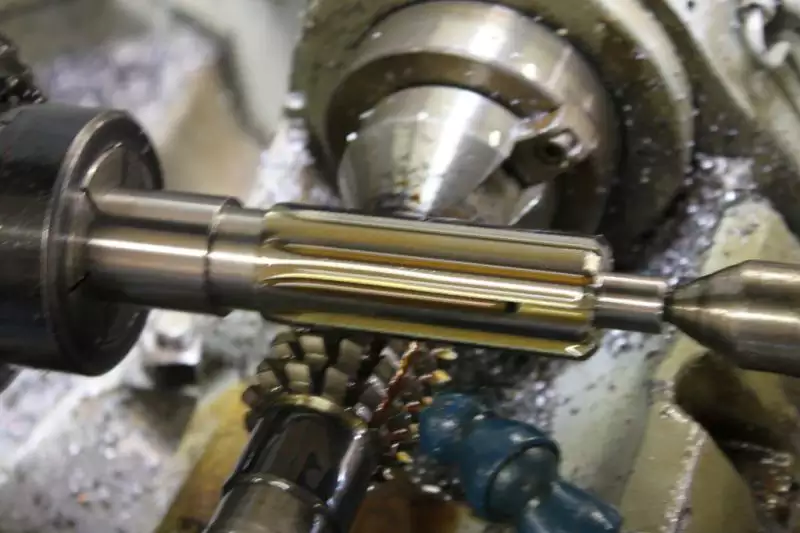
- Cutting Processes: Turning, milling, and grinding are utilized to shape and refine the gear shafts with precision.
- Heat Treatment: The gear shafts are subjected to processes such as quenching, tempering, and carburizing to enhance their strength and durability.
- Specialized Processes: Additional operations like gear rolling and shaving may be employed to achieve the desired gear tooth profiles and surface finishes.
Applications and Case Studies
Gear shafts find extensive applications in various industries, including automotive, industrial machinery, and power generation. Through detailed analysis of common failure modes and preventive measures, we ensure that our gear shafts meet the highest standards of performance and reliability in these demanding environments.
Partner with us today and experience the exceptional quality and service that sets us apart!
Author: Miya