Gear Shaft Load Sharing in Multi-Shaft Systems
Introduction
In a multi-shaft system, the proper load sharing among the gear shafts is crucial for optimal performance and longevity. This article will explore the key factors affecting gear shaft load sharing and provide insights into the mechanisms behind it.
1. Gear Meshing Alignment
The alignment of gear meshing plays a vital role in load sharing. Proper alignment ensures even distribution of load among the gear shafts, resulting in reduced wear and increased efficiency. It is achieved through precise gear manufacturing techniques and meticulous assembly processes.
2. Gear Tooth Profile
The design of the gear tooth profile has a significant impact on load sharing. A well-designed tooth profile ensures uniform contact and load distribution across the gear mesh. Advanced profile modifications, such as tip relief and involute modifications, can further optimize load sharing in multi-shaft systems.
3. Lubrication and Cooling
Effective lubrication and cooling are essential for proper load sharing. Insufficient lubrication can lead to increased friction and wear, resulting in uneven load distribution. Adequate cooling helps maintain optimal operating temperatures, preventing thermal expansion and ensuring consistent load sharing.
4. Shaft Stiffness
The stiffness of the gear shafts directly influences load sharing. Stiffer shafts exhibit better load-carrying capabilities, minimizing deflection and promoting even load distribution. Material selection, diameter optimization, and enhanced shaft design techniques contribute to achieving the desired shaft stiffness.
5. Dynamic Effects
Dynamic effects, such as gear vibrations and torsional oscillations, can impact load sharing. Resonance phenomena and torsional excitation should be carefully considered during the design and operation of multi-shaft systems. Mitigation techniques, including dampers and tuned mass absorbers, can be employed to minimize these effects and improve load sharing.
6. Gear Tooth Wear
Over time, gear tooth wear can affect load sharing. As teeth wear down, the load distribution changes, leading to uneven loading among the gear shafts. Regular inspection, maintenance, and timely replacement of worn gears are essential to maintain optimal load sharing performance.
7. Load Distribution Mechanisms
Understanding the load distribution mechanisms is crucial for effective load sharing. Factors such as gear deflection, contact ratios, and gear stiffness influence load transfer between gear pairs. Analytical models and simulation techniques can provide valuable insights into these mechanisms, aiding in the optimization of load sharing in multi-shaft systems.
8. Gearbox Arrangement
The arrangement of gears within the gearbox affects load sharing. Different configurations, such as parallel shaft, planetary, or helical gear arrangements, offer varying load distribution characteristics. Proper selection of gearbox arrangement based on load requirements and system constraints is essential for achieving desired load sharing performance.
9. Power Input Variations
Variations in power input can impact load sharing among gear shafts. Fluctuations in torque or speed can lead to temporary load imbalances. Sensing and control systems, such as load sensors and feedback loops, can be implemented to dynamically adjust load sharing and maintain optimal performance.
10. Environmental Factors
Environmental conditions, such as temperature, humidity, and contamination, can affect load sharing. Extreme temperatures can cause thermal expansion, while contaminants can impair lubrication properties. Proper environmental control measures, including cooling systems and maintenance practices, are essential to ensure consistent load sharing.
11. Gear Material Selection
The choice of gear material significantly influences load sharing capabilities. Different materials have varying hardness, fatigue resistance, and wear properties. Selection of appropriate gear material based on load requirements and operating conditions is vital to achieve optimal load sharing performance and prolong gear lifespan.
12. System Resilience
The overall resilience of the multi-shaft system affects load sharing under abnormal conditions. Robust design, redundancy, and fault detection systems can help mitigate the impact of potential failures and ensure load sharing continuity. System-level analysis and contingency planning are crucial for maintaining reliable load sharing.
13. Maintenance Practices
Regular maintenance practices play a vital role in sustaining load sharing performance. Inspection, lubrication, and gear condition monitoring are essential for detecting and addressing potential issues promptly. Proactive maintenance strategies, such as predictive maintenance based on sensor data and condition monitoring, can enhance load sharing reliability.
14. Load Sharing Optimization Techniques
Various optimization techniques can be employed to enhance load sharing in multi-shaft systems. Advanced gear design algorithms, finite element analysis, and computational modeling can aid in optimizing gear parameters for improved load distribution. Additionally, machine learning algorithms can be utilized to adaptively adjust load sharing based on real-time operating conditions.
15. Case Studies
Real-world case studies provide valuable insights into load sharing challenges and solutions. Examining successful load sharing implementations across different industries and applications can offer practical guidance and lessons learned. These case studies demonstrate the importance of considering system-specific factors when implementing load sharing strategies.
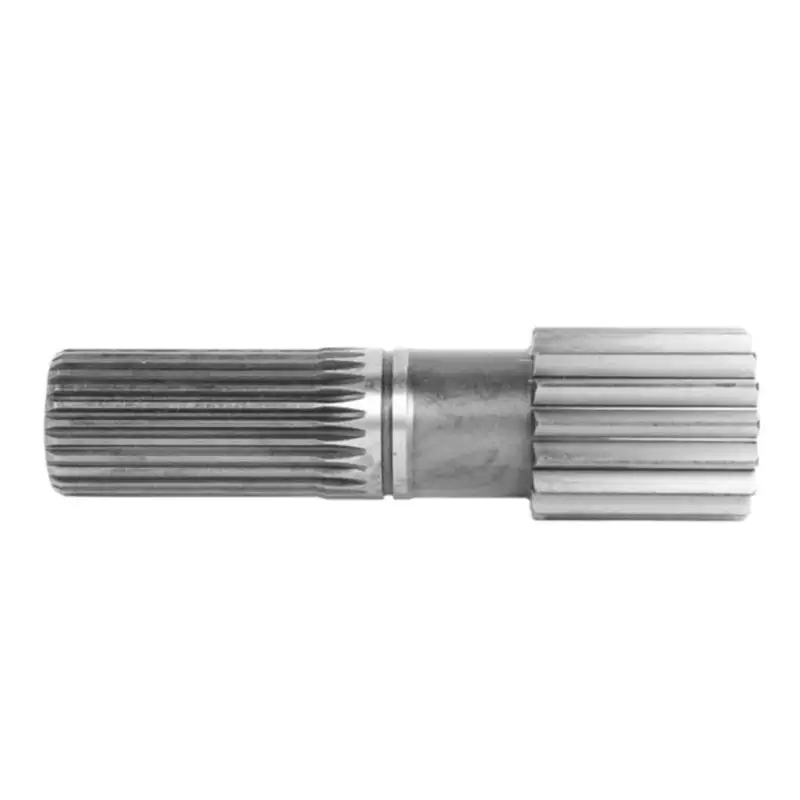
Our company specializes in the production and sale of various types of gears and gear shafts. With our extensive experience and expertise in the field, we offer several advantages that set us apart from our competitors:
Advantages of Our Company
- We have a state-of-the-art manufacturing facility that utilizes advanced technology and equipment.
- Our team of skilled engineers and technicians ensures the highest quality standards in every gear and gear shaft we produce.
- We offer a wide range of gear shaft options to meet the specific needs and requirements of our customers.
- Our company has a reputation for timely delivery and excellent customer service.
- We provide competitive pricing without compromising on the quality of our products.
The Importance of Gear Shaft Load Sharing in Multi-Shaft Systems
Gear shafts play a crucial role in mechanical power transmission systems. They are responsible for transmitting torque and rotational motion between gears, ensuring smooth and efficient operation of various machinery. In multi-shaft systems, proper load sharing among gear shafts is essential to prevent overloading of individual shafts and maximize overall system performance.
Gear Shaft Materials and Selection Criteria
When it comes to gear shafts, material selection is of utmost importance to ensure durability, strength, and reliability. Some key factors to consider include:
Material:
The choice of material should be based on factors such as load requirements, operating conditions, and desired performance characteristics.
Design:
Proper design considerations, including shaft dimensions, fillet radii, and chamfers, are crucial to distribute loads effectively and prevent stress concentrations.
Our Gear Shaft Manufacturing Process
At our company, we employ a comprehensive manufacturing process to create high-quality gear shafts:
Cutting Processes:
- Turning: We utilize precision turning techniques to create the desired shape and dimensions of the gear shaft.
- Milling: Our milling process ensures accurate and precise gear shaft profiles and keyways.
- Grinding: We use grinding to achieve superior surface finish and dimensional accuracy.
Heat Treatment:
- Quenching: This process enhances the hardness and strength of the gear shaft.
- Tempering: We perform tempering to reduce internal stresses and improve toughness.
- Carburizing: Carburization increases the surface hardness and wear resistance of the gear shaft.
Specialized Processes:
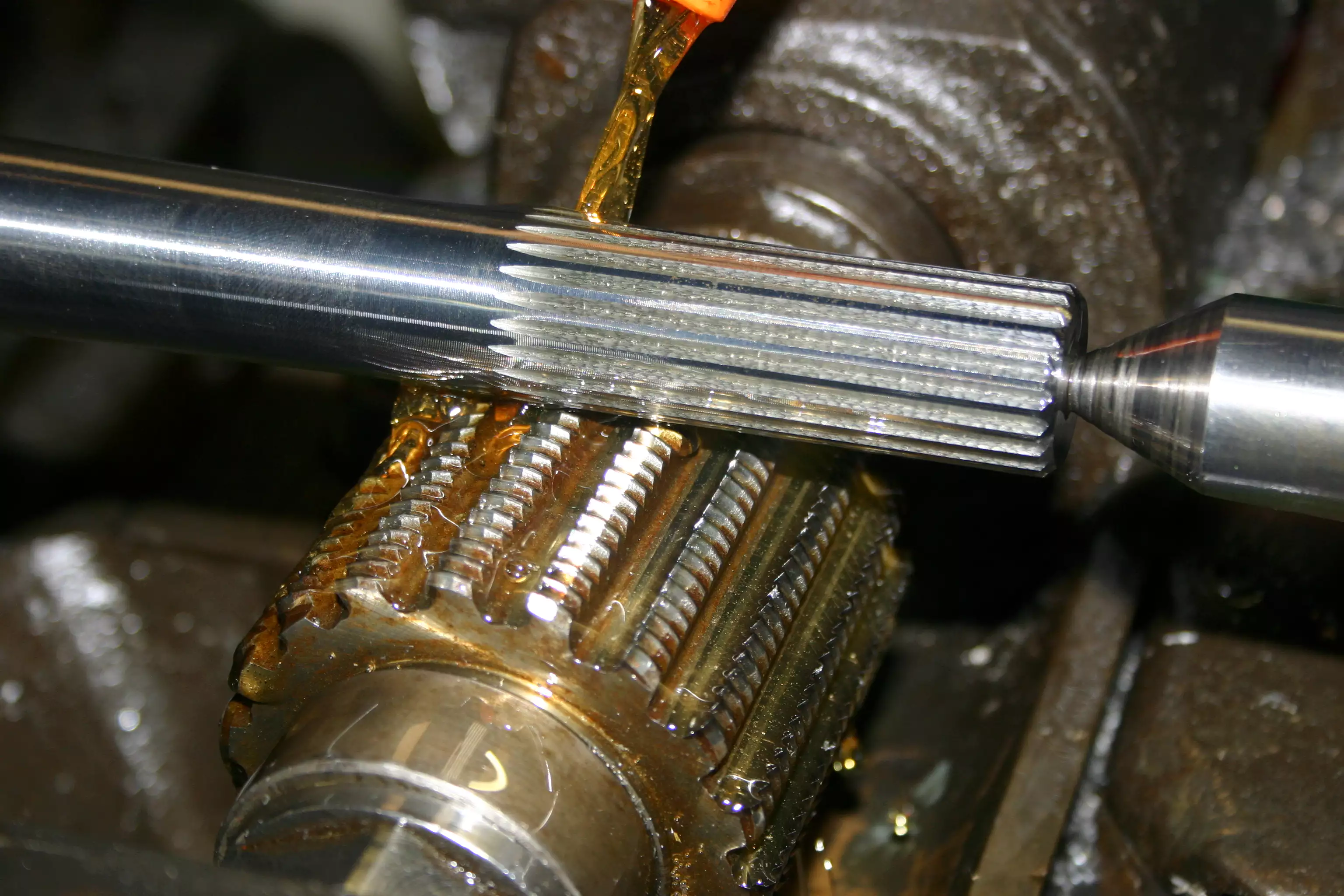
- Gear Hobbing: We utilize gear hobbing to create accurate gear teeth profiles.
- Gear Shaving: This process ensures precise gear tooth geometry and surface finish.
Applications and Failure Analysis of Gear Shafts
Gear shafts find wide applications in various industries, including automotive, aerospace, and industrial machinery. However, like any mechanical component, gear shafts can experience failures due to factors such as excessive loading, improper lubrication, or manufacturing defects. Conducting thorough failure analysis and implementing preventive measures are essential to ensure the reliable and long-lasting performance of gear shafts.
Partnering with us means gaining access to top-notch gear shafts manufactured with precision and expertise. Trust our experience and commitment to delivering exceptional products that meet your specific requirements. Contact us today to discuss how we can collaborate on your next project!
Author: Miya