Gear Shaft Fracture
Introduction
Gear shaft fracture refers to the failure and breakage of the gear shaft, which is a critical component in various mechanical systems. This article aims to explore the causes, consequences, and preventive measures related to gear shaft fractures.
1. Material Fatigue
One of the primary reasons for gear shaft fractures is material fatigue. Over time, the repetitive stress and strain cycles cause microcracks to form, eventually leading to catastrophic failure.
2. Insufficient Lubrication
Inadequate lubrication can result in increased friction and heat generation, leading to accelerated wear and tear on the gear shaft. Without proper lubrication, the gear shaft becomes more susceptible to fractures.
3. Misalignment
Misalignment occurs when the gear shaft is not properly aligned with the mating gears. This misalignment causes uneven distribution of forces, resulting in excessive stress concentration and eventual fracture.
4. Overloading
Subjecting the gear shaft to excessive loads beyond its designed capacity can lead to overload fractures. The excessive stress imposed on the gear shaft exceeds its material strength, causing it to break.
5. Surface Pitting
Surface pitting refers to the formation of small cavities or pits on the surface of the gear shaft. These pits act as stress concentration points, making the gear shaft more vulnerable to fractures.
6. Corrosion
Corrosion, especially in harsh environments, can weaken the gear shaft and make it prone to fractures. Chemical reactions between the gear shaft material and the surrounding substances gradually deteriorate its structural integrity.
7. Manufacturing Defects
Manufacturing defects, such as improper heat treatment or inadequate quality control, can introduce weaknesses in the gear shaft, making it more susceptible to fractures under operational conditions.
8. Vibrations
Excessive vibrations can cause fatigue failure in the gear shaft. Vibrations induce stress fluctuations, leading to crack initiation and propagation, ultimately resulting in fractures.
9. Thermal Stress
Rapid temperature changes, especially during start-up or shutdown, can subject the gear shaft to thermal stress. The uneven expansion and contraction of the shaft can lead to fractures over time.
10. Impact Loads
Sudden impact loads, such as shock or collision, can cause immediate fractures in the gear shaft. The high-intensity forces overwhelm the material strength, causing catastrophic failure.
11. Inadequate Maintenance
Neglecting regular maintenance and inspections can allow minor issues to escalate and contribute to gear shaft fractures. Timely detection and remediation of potential problems are essential to prevent failures.
12. Shaft Misassembly
Improper shaft assembly, including incorrect alignment or insufficient torque, can result in uneven stress distribution and eventual fractures in the gear shaft.
13. Environmental Factors
Harsh operating environments, such as high humidity or extreme temperatures, can accelerate the degradation of the gear shaft material, making it more prone to fractures.
14. Fatigue Testing and Analysis
Performing fatigue testing and analysis on gear shafts can help identify potential weaknesses and evaluate their endurance limits. This proactive approach enables the implementation of appropriate preventive measures.
15. Preventive Measures
To mitigate the risk of gear shaft fractures, several preventive measures can be implemented. These include regular maintenance, proper lubrication, alignment checks, load monitoring, and using high-quality materials.
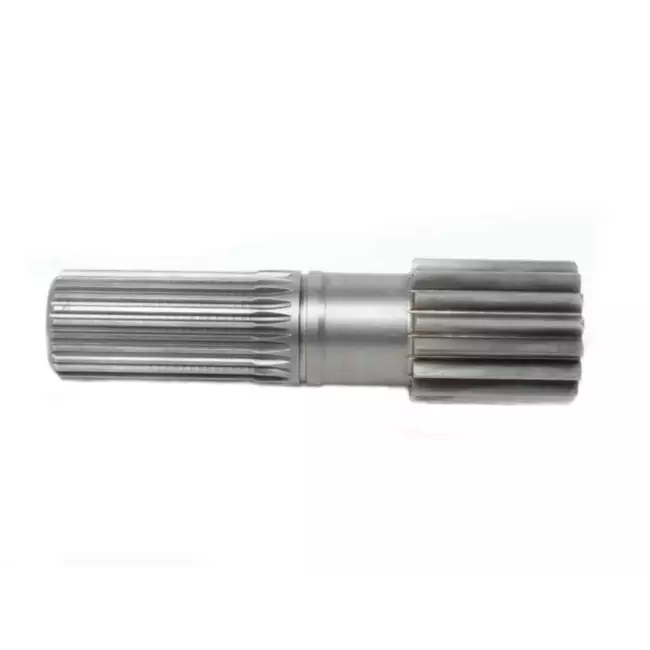
Our company specializes in the production and sale of various types of gears and gear shafts. With years of experience and expertise in the field, we take pride in our exceptional products and services. Here are five reasons why our company stands out:
- High-Quality Materials: We use only the finest materials in manufacturing our gears and gear shafts, ensuring durability and reliability.
- Advanced Technology: Our state-of-the-art machinery and advanced technology allow us to produce gears and gear shafts with precision and efficiency.
- Customization Options: We offer a wide range of customization options to meet the specific needs and requirements of our clients.
- Strict Quality Control: Our rigorous quality control measures ensure that every gear and gear shaft that leaves our facility meets the highest industry standards.
- Competitive Pricing: We strive to offer competitive pricing without compromising on the quality of our products.
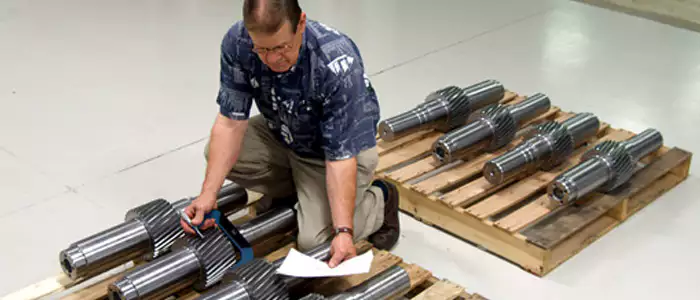
The Importance of Gear Shafts in Mechanical Transmission Systems
Gear shafts play a crucial role in mechanical transmission systems. They are responsible for transmitting torque and rotational motion between gears, enabling the smooth and efficient operation of various machinery and equipment. Without reliable gear shafts, the entire transmission system would be compromised.
Materials and Selection Criteria for Gear Shafts
When it comes to gear shafts, the choice of materials is vital. Factors such as strength, durability, and resistance to wear and corrosion must be considered. Additionally, factors like cost-effectiveness and availability also play a role. The design of gear shafts should take into account factors such as load capacity, speed, and operating conditions to ensure optimal performance.
Our Gear Shaft Manufacturing Process
At our company, we employ a comprehensive manufacturing process for gear shafts. This includes cutting processes such as turning, milling, and grinding. Heat treatment processes like quenching, tempering, and carburizing are also employed to enhance the mechanical properties of the gear shafts. Additionally, we offer specialized processes such as gear rolling and shaving for specific requirements.
Application Cases and Failure Analysis of Gear Shafts
Gear shafts find application in various industries, including automotive, industrial machinery, and power generation. In these fields, gear shafts are subjected to heavy loads and intense operating conditions. Failure analysis and preventive measures are crucial to ensure the longevity and reliability of gear shafts. Our team of experts is experienced in analyzing failure modes and providing effective preventive measures.
With our expertise, state-of-the-art manufacturing capabilities, and commitment to quality, we are confident in our ability to provide you with the best gear shaft solutions. Contact us today to discuss how we can collaborate on your next project.
Author: Miya