Gear Shaft Finishing
Introduction
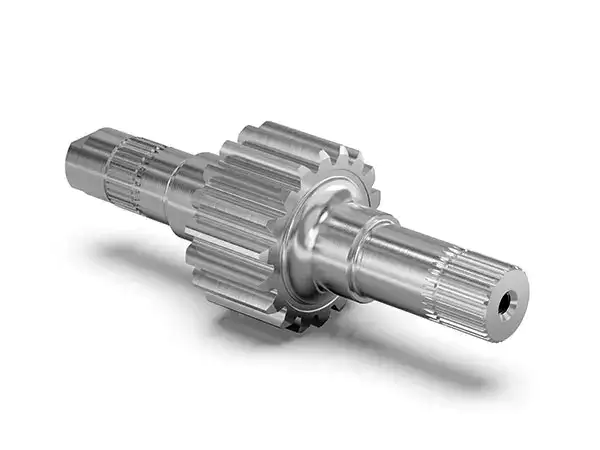
Gear shaft finishing is a critical process in the manufacturing of gears. It involves the application of various techniques and methodologies to ensure the highest level of precision and quality in gear shafts. In this article, we will explore the different aspects of gear shaft finishing and delve into the techniques used to achieve optimal results.
1. Importance of Gear Shaft Finishing
Gear shaft finishing plays a vital role in the overall performance and longevity of gears. It involves the refinement of gear shaft surfaces to minimize friction, noise, and wear. The following points highlight the significance of gear shaft finishing:
- Enhanced Gear Performance: A well-finished gear shaft ensures smooth and efficient power transmission, resulting in improved gear performance.
- Reduced Noise and Vibration: Proper finishing techniques help in reducing noise and vibrations generated during gear operation, leading to a quieter and more reliable system.
- Increased Durability: Finishing processes like grinding and honing enhance the surface hardness and durability of gear shafts, making them more resistant to wear and fatigue.
2. Gear Shaft Finishing Techniques
2.1 Grinding
Grinding is a widely used gear shaft finishing technique that involves the removal of material from the surface using abrasive wheels. It helps in achieving the desired surface finish and dimensional accuracy. The grinding process involves the following steps:
- Selection of Grinding Wheel: The choice of the grinding wheel depends on factors like material hardness, desired surface finish, and precision requirements.
- Setting Grinding Parameters: Parameters such as speed, feed rate, and depth of cut are set to ensure effective material removal and control over the grinding process.
- Grinding Operation: The gear shaft is precisely positioned and held against the rotating grinding wheel to remove material gradually and achieve the desired surface finish.
2.2 Honing
Honing is another important gear shaft finishing technique that utilizes abrasive stones to improve the surface texture and geometry of the gear shaft. The honing process involves the following steps:
- Selection of Honing Stones: Different types of honing stones are chosen based on the desired surface finish, material hardness, and the type of gear shaft being finished.
- Setting Honing Parameters: The parameters like honing speed, pressure, and stroke length are set to achieve the desired surface texture and geometry.
- Honing Operation: The honing stones are passed through the gear shaft, removing any irregularities and improving the surface finish.
3. Gear Shaft Finishing Quality Control
To ensure the highest level of quality in gear shaft finishing, various quality control measures are implemented. These include:
- Surface Roughness Measurement: Specialized instruments are used to measure the surface roughness of the finished gear shafts, ensuring they meet the specified requirements.
- Dimensional Accuracy Checks: Precise measurements are taken to verify the dimensional accuracy of the gear shafts, ensuring they conform to the required tolerances.
- Visual Inspection: Trained inspectors visually examine the finished gear shafts for any visual defects or anomalies that might affect their performance.
Gear shaft finishing is a meticulous process that requires expertise and attention to detail. By employing the right techniques and implementing rigorous quality control measures, manufacturers can produce gear shafts of exceptional quality, resulting in efficient and reliable gear systems.
Conclusion
In conclusion, gear shaft finishing is essential for achieving optimal gear performance, reducing noise and vibration, and increasing durability. Techniques like grinding and honing play a crucial role in refining the surface finish and geometry of gear shafts. By prioritizing quality control, manufacturers can ensure that the finished gear shafts meet the highest standards. Gear shaft finishing is a critical step in the manufacturing process that ultimately contributes to the smooth and efficient operation of various mechanical systems.
Our company specializes in producing and selling various types of gears and gear shafts. As an SEO expert copywriter, I will now highlight the advantages of our company, GearTech, in the field of gear shaft finishing.
Advantages of GearTech:
- Advanced Technology: At GearTech, we utilize state-of-the-art machinery and cutting-edge techniques to ensure high-quality gear shaft finishing.
- Experienced Team: Our team of skilled engineers and technicians have extensive knowledge and expertise in gear shaft manufacturing, guaranteeing superior products.
- Customization Options: We offer tailored solutions to meet specific customer requirements, accommodating a wide range of gear shaft finishing needs.
- Quality Assurance: GearTech is committed to delivering top-notch gear shafts that undergo rigorous quality control measures to ensure durability and performance.
- Timely Delivery: We understand the importance of meeting deadlines. At GearTech, we strive to provide prompt delivery of gear shafts without compromising on quality.
The Importance of Gear Shafts:
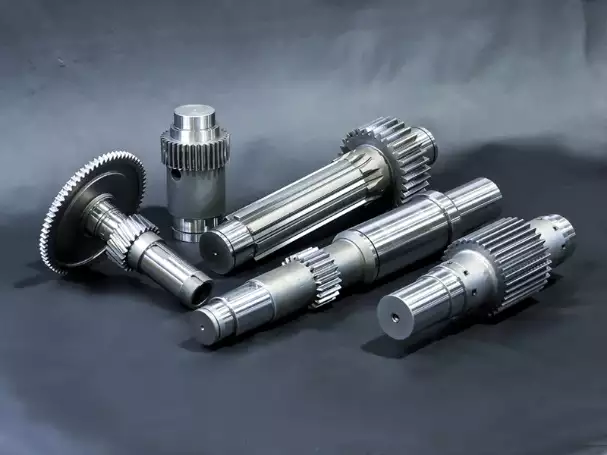
Gear shafts play a crucial role in mechanical transmission systems. They are responsible for transmitting rotational motion and power between gears, allowing machinery to function effectively and efficiently.
Materials and Selection Criteria for Gear Shafts:
When it comes to gear shafts, selecting the right materials is paramount. Factors such as strength, durability, and resistance to wear must be considered. Additionally, the design aspects, such as dimensional accuracy and surface finish, play a vital role in ensuring optimal gear shaft performance.
Gear Shaft Manufacturing Process:
At GearTech, we employ a comprehensive gear shaft manufacturing process that includes cutting operations such as turning, milling, and grinding. Additionally, heat treatment techniques like quenching, tempering, and carburizing are utilized. Specialized processes such as gear hobbing and shaving are also employed to achieve precise gear teeth profiles.
Application Examples and Failure Analysis of Gear Shafts:
Gear shafts find application in various industries such as automotive, aerospace, and machinery. In these typical fields, gear shaft failures can occur due to factors like excessive loads, inadequate lubrication, or material fatigue. At GearTech, we analyze such failures and implement preventive measures to enhance the reliability and longevity of gear shafts.
With our exceptional expertise and commitment to excellence, GearTech is the ideal partner for all your gear shaft finishing needs. Contact us today to discuss how we can collaborate to achieve superior results.
Author: Miya