Gear shaft FEA (Finite Element Analysis)
Introduction
In the field of mechanical engineering, gear shaft FEA, or Finite Element Analysis, plays a crucial role in the design and analysis of gear shaft systems. This article aims to provide an in-depth understanding of gear shaft FEA and its significance in engineering practices.
Understanding Gear Shafts
Gear shafts, also known as power transmission shafts, are essential components in various mechanical systems. They are responsible for transmitting rotational motion and torque between different parts of a machine. Gear shafts are commonly used in automotive, aerospace, and industrial applications.
Importance of Finite Element Analysis
Finite Element Analysis is a powerful numerical technique used to analyze the structural behavior of complex systems, such as gear shafts. It enables engineers to assess the performance and reliability of gear shafts under different loading conditions.
1. Gear Shaft Material Selection
Choosing the right material for gear shafts is crucial to ensure their durability and performance. Factors such as strength, hardness, and resistance to wear and fatigue need to be considered during material selection.
2. Geometric Modeling
Precise geometric modeling of gear shafts is essential for accurate FEA simulations. Three-dimensional (3D) CAD software is commonly used to create detailed models, including the gear teeth profile, shaft diameter, and keyway dimensions.
3. Mesh Generation
Before conducting FEA, the gear shaft model needs to be divided into discrete elements, or meshes. Mesh generation plays a vital role in obtaining reliable simulation results. Various meshing techniques, such as tetrahedral and hexahedral meshing, can be employed.
4. Boundary Conditions
Defining appropriate boundary conditions is crucial for realistic FEA simulations. It involves specifying constraints, loads, and contacts that the gear shaft may experience during operation. Real-world operating conditions need to be accurately represented for accurate analysis.
5. Static Analysis
Static analysis is commonly performed to evaluate the stress and deformation of gear shafts under steady-state loading conditions. It helps identify potential failure points and areas of excessive stress concentration.
6. Dynamic Analysis
Dynamic analysis is used to study the response of gear shafts under varying operating conditions, such as rotational speed and torque fluctuation. It provides insights into critical resonant frequencies, vibrations, and fatigue life.
7. Contact Analysis
Contact analysis focuses on the interaction between gear teeth and their corresponding mating surfaces. It helps determine the distribution of contact pressure, sliding friction, and wear patterns, ensuring proper gear engagement and smooth operation.
8. Thermal Analysis
Thermal analysis considers the effect of heat generation and dissipation on the performance of gear shafts. It helps predict temperature distribution, thermal expansion, and potential thermal stresses, ensuring the design can withstand thermal loads.
9. Fatigue Analysis
Fatigue analysis is crucial to assess the durability and lifespan of gear shafts. It involves analyzing cyclic loading conditions and predicting potential fatigue failure points using techniques such as stress-life and strain-life approaches.
10. Optimization
Based on the FEA results, optimization techniques can be applied to improve the design of gear shafts. This may involve adjusting material properties, geometry, or other parameters to minimize stress concentrations, reduce weight, or enhance performance.
Conclusion
Gear shaft FEA (Finite Element Analysis) is a powerful tool that enables engineers to optimize the design and performance of gear shaft systems. Through material selection, geometric modeling, mesh generation, and various analysis techniques, engineers can ensure the reliability, durability, and efficiency of gear shafts in various mechanical applications.
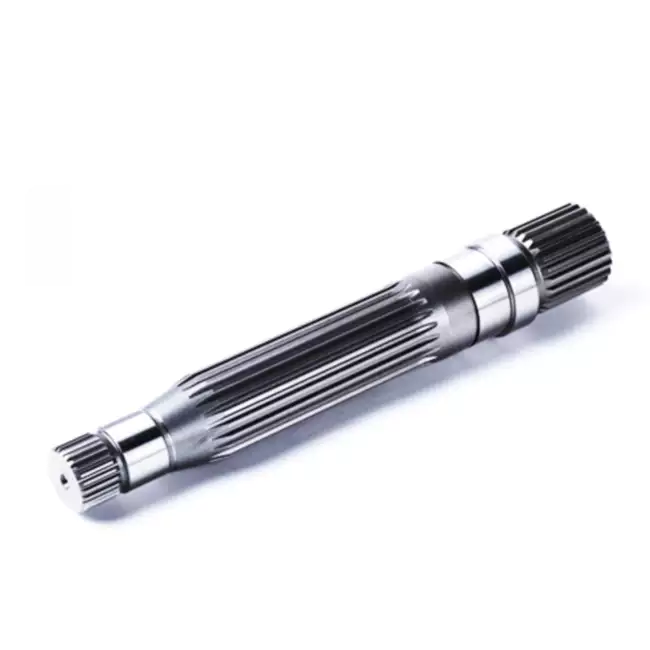
Our company specializes in the production and sale of various types of gears and gear shafts. With years of experience in the industry, we have established ourselves as a leading gear shaft manufacturer. Here, we would like to highlight five key advantages of our company:
Advantages of Our Company
1. Quality Assurance: We ensure that all our gear shafts undergo rigorous testing and analysis, including Gear Shaft FEA (Finite Element Analysis), to guarantee optimal performance and durability.
2. Customization Options: We offer a wide range of customization options to meet the unique requirements of our clients. Our team of experts will work closely with you to design and manufacture gear shafts that precisely match your specifications.
3. Timely Delivery: We understand the importance of timely delivery in the industry. Our streamlined production process and efficient logistics ensure that your gear shafts are delivered to you on schedule.
4. Competitive Pricing: We strive to offer competitive pricing without compromising on quality. Our cost-effective solutions make us the preferred choice for clients seeking high-quality gear shafts at affordable prices.
5. Excellent Customer Service: Our dedicated customer service team is always ready to assist you. We provide prompt responses to inquiries and offer comprehensive support before, during, and after the purchase process.
The Importance of Gear Shafts in Mechanical Transmission Systems
Gear shafts play a crucial role in mechanical transmission systems. They are responsible for transferring rotational motion and torque between gears, enabling smooth and efficient power transmission. Without reliable gear shafts, the proper functioning of machinery and equipment would be compromised.
Materials and Selection Criteria for Gear Shafts
When it comes to selecting materials for gear shafts, several factors need to be considered. These include:
1. Strength and Durability: Gear shafts should be made from materials that possess high strength and durability to withstand the stresses and loads encountered in transmission systems.
2. Wear Resistance: The materials used should exhibit excellent wear resistance to ensure prolonged service life.
3. Machinability: Easy machinability is essential to facilitate the manufacturing process and achieve precise gear shaft dimensions.
4. Corrosion Resistance: Depending on the application and operating conditions, gear shafts may need to withstand corrosive environments, necessitating the use of corrosion-resistant materials.
Design Considerations for Gear Shafts
When designing gear shafts, several key points should be taken into account:
1. Proper Gear Shaft Length and Diameter: The dimensions of the gear shaft should be carefully determined to ensure optimal performance and compatibility with the gear system.
2. Shaft Keyway and Splines: The inclusion of keyways and splines in the design allows for efficient power transmission and prevents slippage between the gears and the shaft.
3. Heat Treatment: Heat treatment processes such as quenching, tempering, and carburizing can enhance the mechanical properties of gear shafts, improving their strength and hardness.
Manufacturing Process for Gear Shafts
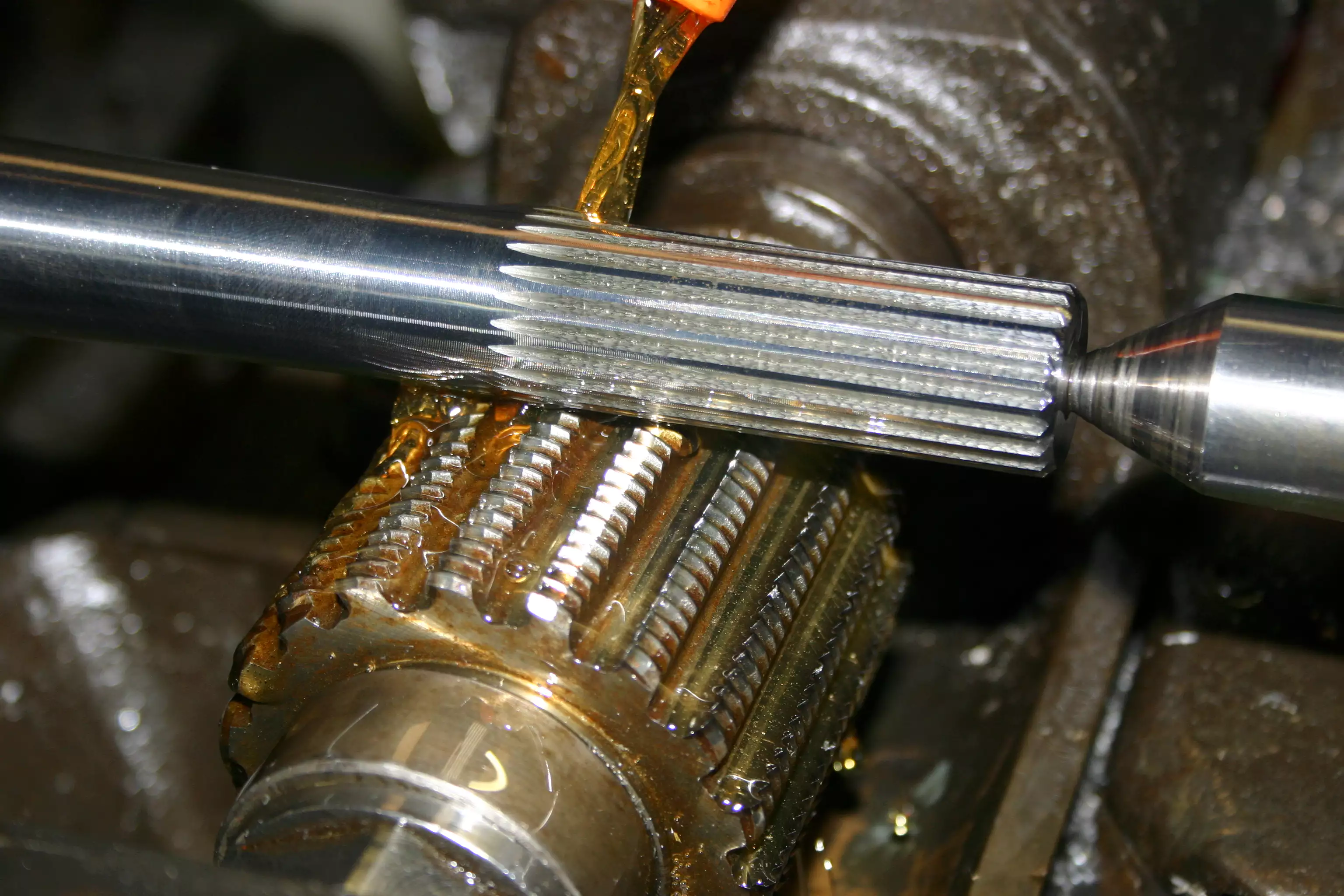
Our gear shafts are manufactured using various cutting processes, including turning, milling, and grinding. Additionally, we employ heat treatment techniques like quenching, tempering, and carburizing to optimize the material properties. Specialized processes such as gear hobbing and shaving are also used to achieve precise gear tooth profiles.
Application Cases and Failure Analysis of Gear Shafts
Gear shafts find extensive applications in various industries, including automotive, aerospace, and industrial machinery. They are commonly used in gearboxes, power transmission systems, and other mechanical assemblies. In case of failure, a thorough analysis is conducted to identify the root cause and implement preventive measures for enhanced reliability and performance.
Partner with us today and experience the exceptional quality and service that our company has to offer. Contact us now to discuss your gear shaft requirements and how we can meet your specific needs.
Author: Miya